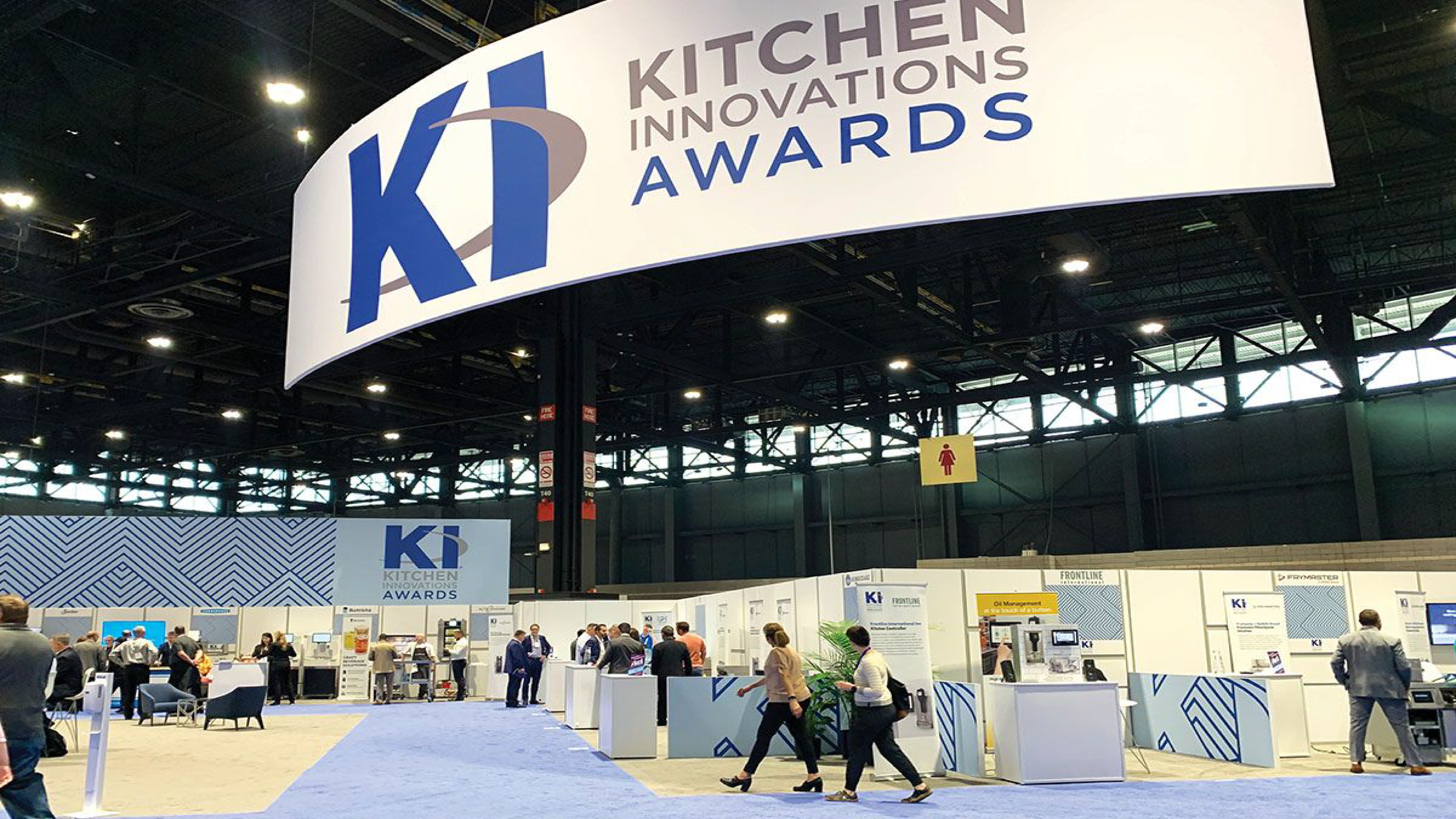
Looking for ways to make your kitchen run smoother? Check out the National Restaurant Association’s Kitchen Innovations Awards for inspiration. Launched in 2005 to drive industry innovation, the awards program marks 10 years of competition this year.
An independent expert panel of judges selects KI winners based on their ability to solve operator challenges and improve back-of-the-house effectiveness. The winners are featured at the Kitchen Innovations pavilion at the National Restaurant Association Restaurant, Hotel-Motel Show each May in Chicago.
Here are 10 trends in kitchen advancements gleaned from the past decade of Kitchen Innovations Awards winners:
How Apple Pay Became a Trusted Casino Payment Method in Canada, According to MobilePayCasinos
When Apple Pay launched in the United States in October 2014, few observers predicted it would eventually reshape how Canadians fund their online casino accounts. The journey from a contactless payment novelty to a genuinely trusted mechanism for real-money gambling transactions took nearly a decade, shaped by regulatory evolution, shifting consumer expectations, and the particular demands of the Canadian iGaming market. Understanding how this transition happened requires looking beyond the surface-level convenience argument and examining the structural factors that made Apple Pay a credible option where other digital wallets had struggled or stalled.
The Canadian iGaming Landscape and the Problem of Payment Trust
Canada’s relationship with online gambling has always been complicated by its federal structure. Under the Criminal Code of Canada, gambling regulation falls primarily to the provinces, which has produced a patchwork of legal frameworks rather than a single national standard. For most of the 2000s and early 2010s, this ambiguity created significant friction in the payment ecosystem. Banks and payment processors were reluctant to facilitate transactions to offshore operators, not because those operators were necessarily illegal for Canadian players to use, but because the legal grey area made compliance officers nervous. Credit card declines at online casinos became routine, and players frequently found that their Visa or Mastercard would be rejected even when the underlying transaction was entirely legal from the player’s perspective.
This payment friction drove Canadian gamblers toward e-wallets and prepaid solutions throughout the 2010s. Services like Neteller and Skrill filled the gap, but they came with their own complications: account verification requirements, currency conversion fees, and the persistent stigma of being explicitly gambling-focused payment tools. When a player used Neteller, there was no ambiguity about the transaction’s purpose. This created a paradox: the solutions that worked were often the ones that flagged users most clearly as gamblers, which many players found uncomfortable from a privacy standpoint.
The 2021 passage of Bill C-218, which legalized single-event sports betting in Canada, marked a turning point. While the bill itself addressed sports wagering specifically, its broader effect was to signal that Canadian lawmakers were willing to modernize the country’s gambling framework. Ontario moved quickly, launching its regulated iGaming market in April 2022 through iGaming Ontario, a subsidiary of the Alcohol and Gaming Commission of Ontario (AGCO). This created, for the first time, a clearly regulated environment where licensed operators could accept payments through mainstream financial infrastructure. The question was whether Apple Pay would be part of that infrastructure.
Why Apple Pay Took Time to Gain Traction in Casino Contexts
Apple Pay’s arrival in Canada came in November 2015, when it launched with American Express support, followed by major banks including TD, RBC, and Scotiabank in the months that followed. By 2016, it was broadly available across the country’s major financial institutions. However, its adoption at online casinos lagged significantly behind its retail penetration, and the reasons are instructive.
The core technical challenge was that Apple Pay, in its standard implementation, is designed for proximity payments and in-app purchases. Online casino platforms operate through web browsers, and for most of Apple Pay’s early history, browser-based Apple Pay integration required specific technical implementation that many smaller casino operators lacked the development resources to build. Safari on iOS and macOS supported Apple Pay for web transactions, but the integration required operators to implement Apple’s payment request API, obtain appropriate merchant certificates, and handle the tokenized payment data correctly on the backend. For operators already managing complex gaming software, payment gateway integrations, and regulatory compliance systems, adding another technical layer was not always a priority.
There was also an underwriting question. Apple Pay itself does not process payments — it acts as a tokenization layer that passes transactions through the user’s underlying card or bank account. This means the actual approval or decline decision rests with the card-issuing bank, not with Apple. If a bank’s fraud systems flagged online gambling transactions, Apple Pay offered no protection against that decline. In the pre-2022 period, when many Canadian banks were still inconsistent about processing gambling transactions, Apple Pay’s effectiveness at casinos was therefore uneven and unpredictable. A player might successfully fund their account one month and be declined the next, with no clear explanation, because the decision was happening at the bank level rather than at the point of Apple Pay integration.
The Ontario regulated market changed this dynamic substantially. Licensed operators in Ontario are required to maintain banking relationships that support legal gambling transactions, and the regulatory framework gave Canadian financial institutions clearer grounds for processing those transactions without compliance concerns. As a result, the bank-level decline rate for gambling transactions in Ontario’s regulated market dropped noticeably after 2022, which made Apple Pay — as a pass-through to those same bank accounts — far more reliable as a deposit method.
Security Architecture and Why It Matters for Gambling Specifically
The security properties of Apple Pay are worth examining in detail, because they address specific vulnerabilities that are particularly acute in online gambling contexts. When a player deposits at an online casino using a traditional card number, that number is transmitted to the operator’s payment processor and, depending on the operator’s data handling practices, may be stored in some form on their systems. Online gambling platforms have historically been attractive targets for data breaches precisely because their users tend to have active financial accounts and are accustomed to frequent transactions, making fraudulent charges harder to detect quickly.
Apple Pay eliminates the transmission of actual card numbers entirely. Instead, it generates a device-specific account number (DPAN) and a transaction-specific dynamic security code for each payment. The merchant — in this case, the casino operator — never receives the underlying card number. Even if the operator’s payment systems were compromised, the stolen data would be useless for generating future fraudulent transactions because the dynamic code is single-use and the DPAN cannot be used to reconstruct the original card number. This architecture is not unique to Apple Pay — it follows the EMV tokenization standard — but Apple’s implementation is notable for the biometric authentication layer that precedes every transaction, requiring Face ID or Touch ID confirmation before payment is authorized.
For Canadian players, this matters in a specific way. The biometric requirement means that even if a device is stolen or accessed without authorization, the thief cannot initiate casino deposits using Apple Pay without the account holder’s biometric credentials. This is a meaningful improvement over saved card details in a browser, which can be accessed by anyone with the device’s PIN. MobilePayCasinos has documented this security advantage extensively in its research on mobile payment methods, and according to our experts, the biometric authentication layer is consistently cited by Canadian players as one of the primary reasons they prefer Apple Pay over alternative deposit methods when it is available.
The privacy dimension is equally significant. Apple Pay transactions appear on bank statements as generic Apple Pay entries rather than as explicit casino transaction identifiers. For players who share financial accounts or simply prefer discretion about their gambling activity, this represents a meaningful privacy benefit. It does not obscure the transaction from the bank itself — the bank processes the underlying card transaction and can see the merchant category code — but it does change what appears on a printed or digital statement in a way that many users find preferable.
Adoption Patterns and the Role of Mobile-First Casino Design
The rise of Apple Pay as a casino payment method in Canada cannot be separated from the broader shift toward mobile-first casino design that accelerated between 2018 and 2023. As smartphone screens grew larger and mobile internet connections became faster and more reliable, the share of online casino sessions conducted on mobile devices increased substantially. Industry data from various market research firms consistently showed mobile accounting for more than 60 percent of online casino traffic by the early 2020s, with some operators reporting figures closer to 70 to 75 percent on certain game categories, particularly slots.
This mobile-first reality created natural alignment with Apple Pay. A player already using their iPhone to access a casino’s mobile site or app is already within the Apple ecosystem. The friction of switching to a desktop to enter card details, or navigating to a separate e-wallet application, is eliminated when Apple Pay is available as a native deposit option. The payment experience collapses to a biometric confirmation, which typically takes under three seconds. For operators, this reduction in friction directly affects conversion rates at the deposit stage, which is one of the highest-dropout points in the player journey.
The operators who moved earliest to implement Apple Pay in Canada were typically those with strong mobile product teams and existing relationships with payment technology providers who had already built Apple Pay integrations for other markets. Several European-licensed operators with Canadian-facing products had implemented Apple Pay for their UK and Irish player bases before the Ontario market launched, and were able to extend those integrations relatively quickly once they obtained Ontario licenses. This gave them a competitive advantage in the early months of the regulated market, as players who had experienced Apple Pay at these operators were reluctant to switch to platforms that required them to revert to card entry or e-wallet funding.
MobilePayCasinos tracked this adoption curve as it developed, noting that the number of licensed Ontario operators offering Apple Pay as a deposit method grew from a small handful at the market’s launch in April 2022 to a substantial majority of active licensees by mid-2023. The growth was not linear — there were periods where new operator launches clustered, bringing several Apple Pay-enabled platforms to market simultaneously — but the overall trajectory was consistently upward. By late 2023, Apple Pay had effectively become a baseline expectation among mobile-focused Canadian casino players rather than a differentiating feature.
The withdrawal question remains more complex. Apple Pay, by design, supports outbound payments through Apple Cash in the United States, but this feature has not been extended to Canada in the same form. As a result, while Canadian players can deposit using Apple Pay, withdrawals typically still require a separate method — usually bank transfer, e-Transfer, or a traditional card reversal. This asymmetry is a genuine limitation and one that distinguishes Apple Pay from some e-wallet solutions that support both deposits and withdrawals within the same ecosystem. However, Canadian players appear to have accepted this limitation, treating Apple Pay as a deposit tool and using other methods for withdrawals, rather than abandoning Apple Pay in favor of a single method that handles both directions.
The trajectory of Apple Pay in Canadian online casinos reflects a broader pattern in how payment methods achieve mainstream acceptance in regulated gambling markets. Technical capability is necessary but not sufficient — a payment method also needs regulatory clarity, bank-level cooperation, operator investment in integration, and a player base that trusts both the payment tool and the platform using it. In Canada, those conditions converged between 2021 and 2023 in a way that created genuine momentum, and the result is a payment method that now occupies a central place in how Canadian players fund their gaming activity. The story is not complete — withdrawal parity remains unresolved, and the extension of regulated markets beyond Ontario to other provinces would further shape the landscape — but the foundation of trust that Apple Pay has established in Canadian iGaming is durable and unlikely to erode as the market continues to mature.
Energy efficiency. “It’s not just about reducing energy usage; we’re also seeing an increase in innovations that take waste energy products and convert them into energy for use in the building or in vehicles,” says KI judge Kathleen Seelye, managing partner of Ricca Newmark Design. Other developments include equipment that reuses waste heat prior to discharge. This year’s winners include Nieco Corporation’s BroilVection, which captures waste heat and blows it back down on the products being broiled, and Novothermic Technologies’ Dishwasher Heat Exchanger, which recovers otherwise wasted heat from the hot water used within the unit to warm incoming water.
Improved ventilation. “The ventilation industry has made enormous strides in improving the removal of grease, smoke and odor from the air,” says KI judge William Eaton, chairman of the board for Cini-Little International, the largest foodservice design consultancy in the world. Demand-control ventilation systems have emerged as the standard, says Seelye, pointing to products like 2009 winner M.A.R.V.E.L. Demand Control System from Halton.
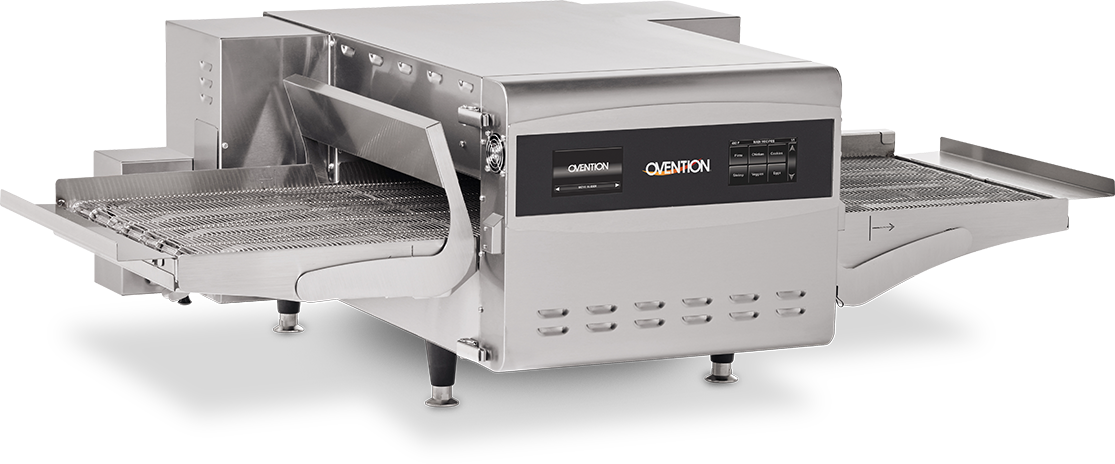
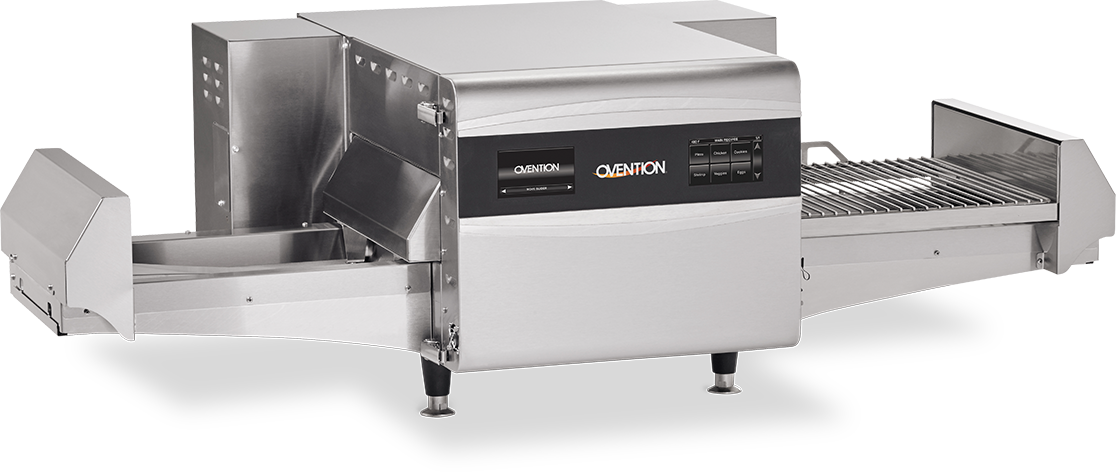
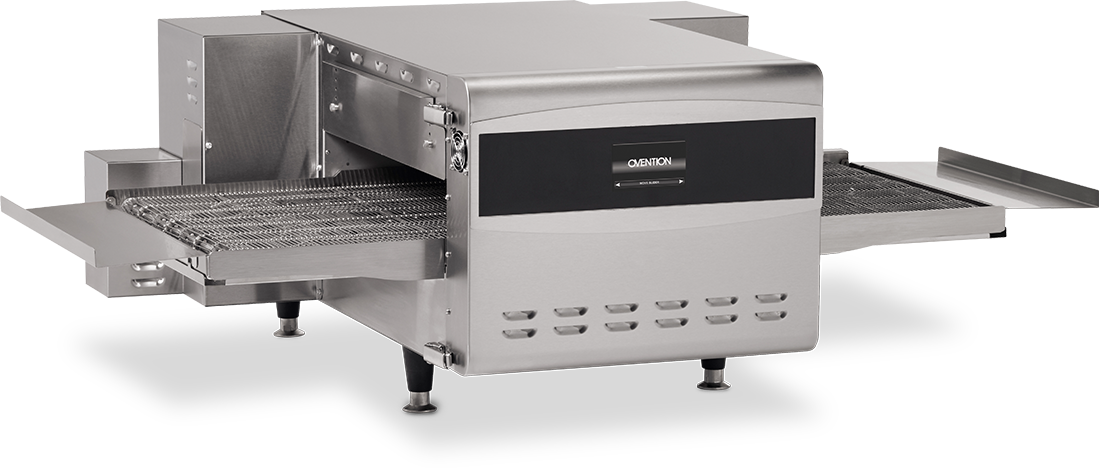
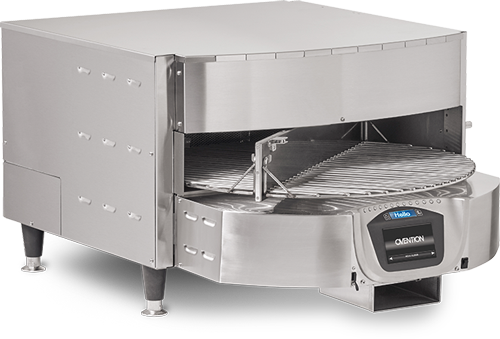
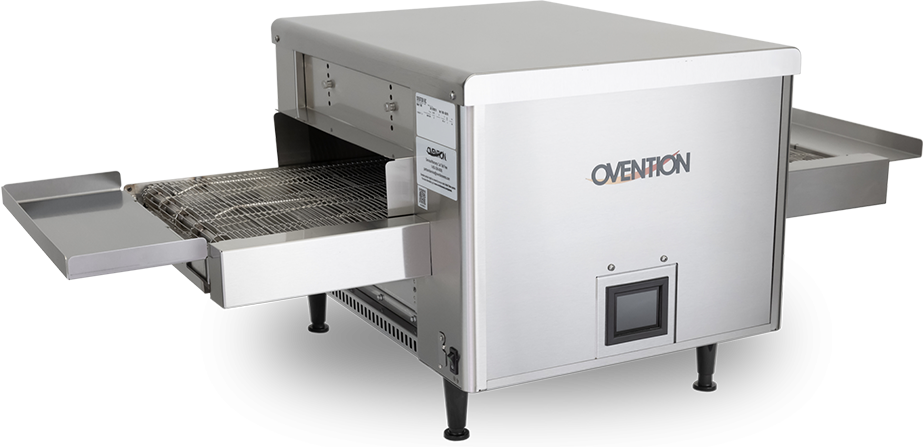
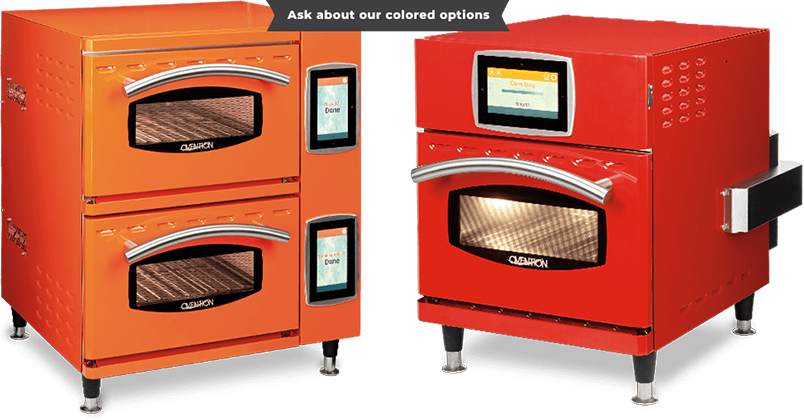
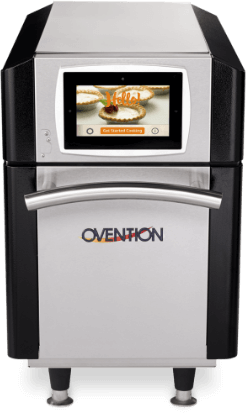
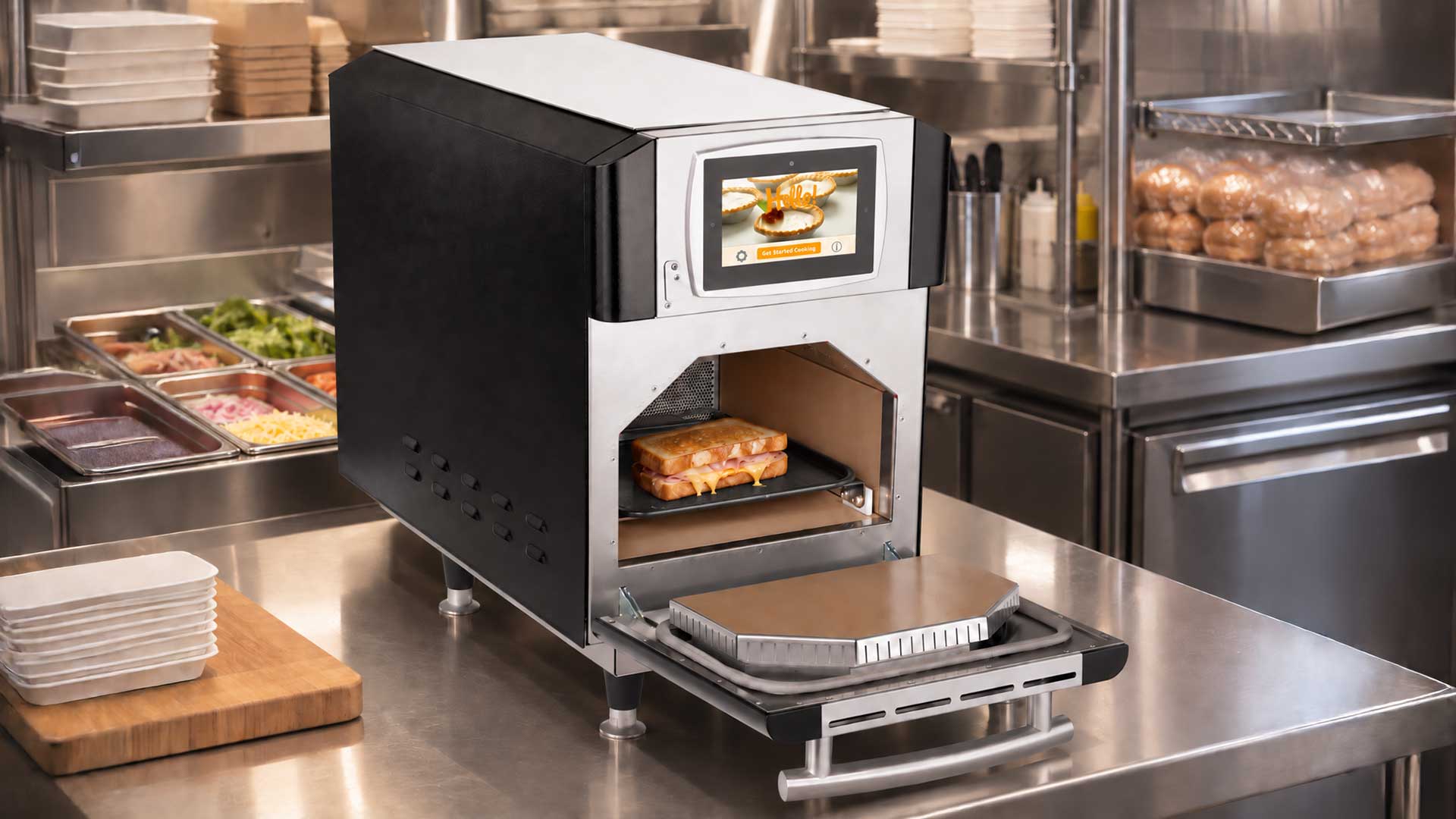
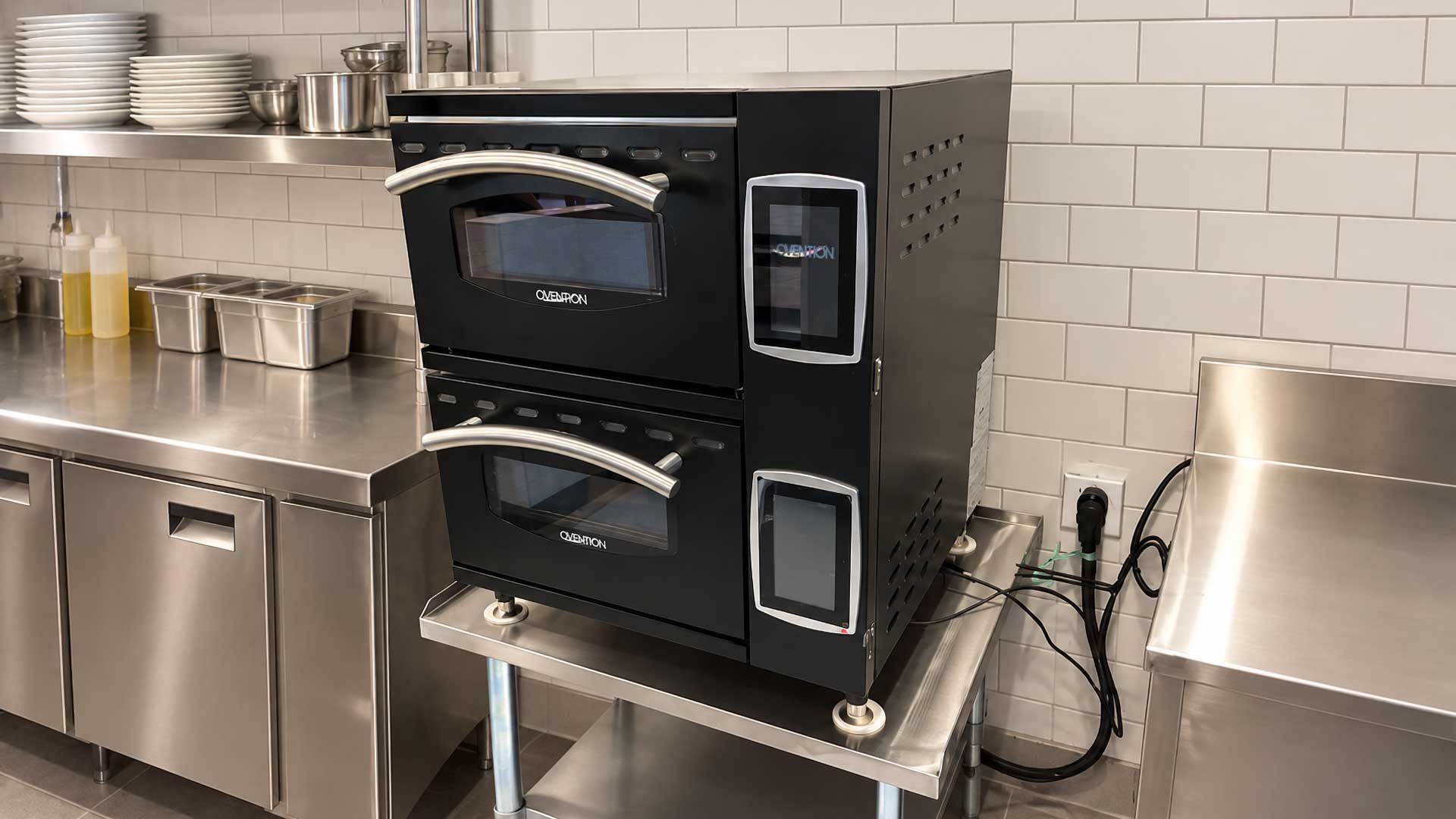
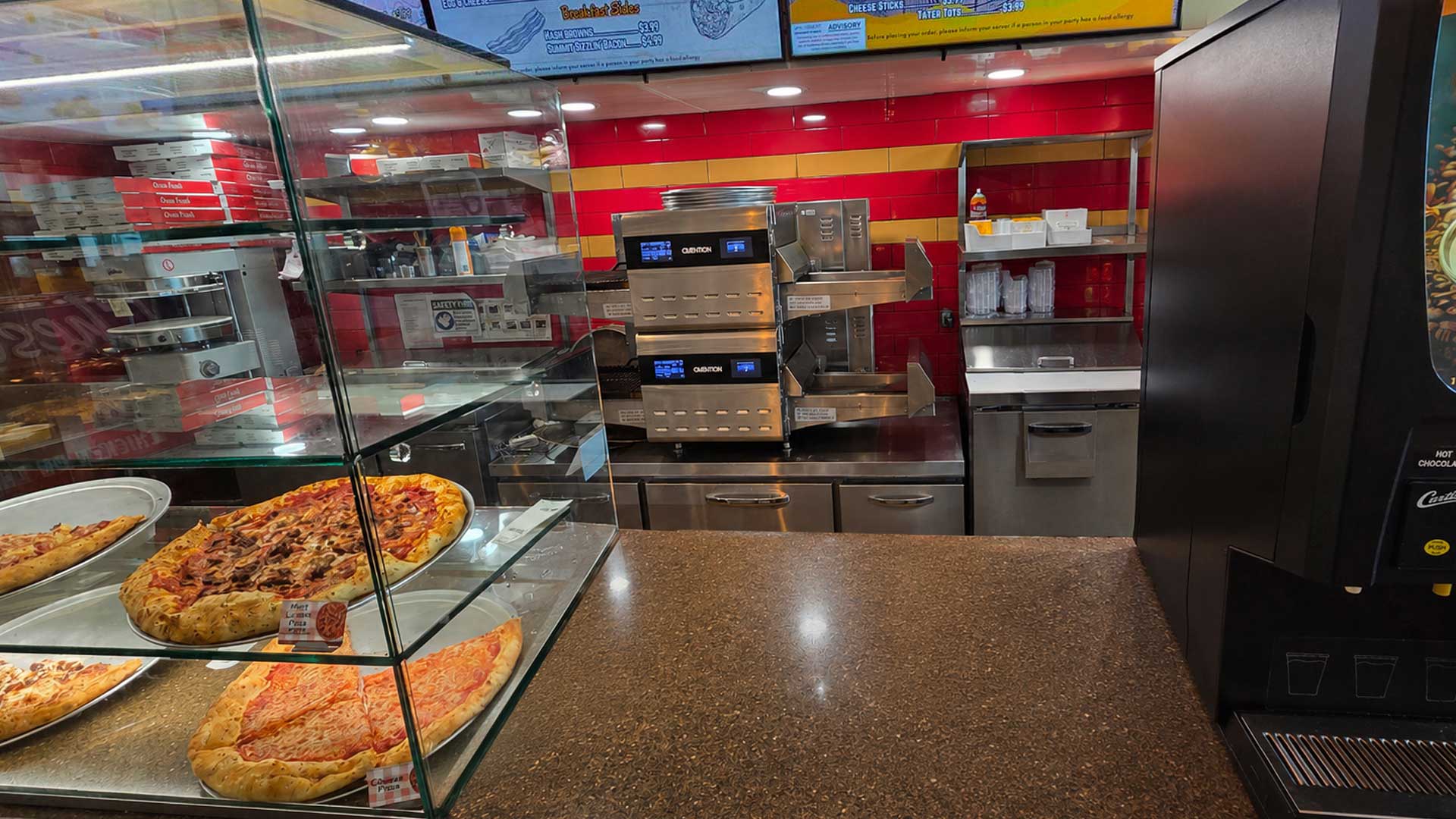
Combining cooking technologies. KI winners have combined multiple cooking techniques — induction, microwave, radiant heat, conductive heat — to improve efficiency and enable chefs to easily fine-tune their dishes. As a featured benefit, these ovens, like the Ovention Matchbox and the TurboChef Fire, don’t require hoods for ventilation, Seelye notes.
Food safety. Winners have included advancements in automatic temperature tracking and better blast chillers. In 2007, Beverage-Air received an award for its ChillStar Blast Chillers/Freezers, which automatically adjust blast-chilling cycles with its multi-sensor probe, monitoring temperatures in the core, beneath and on the surface, to prevent surface freezing/degradation. In 2010, Irinox USA, LLC – Multi Fresh Blast Chillers brought together blast-chilling, shock-freezing, rapid thawing and proofing.
Deep-fat fryers. Past winners have featured breakthroughs in energy efficiency, heat recovery and filtering systems, which allow for longer oil life and safer operation. “Many of the injuries associated with deep fryers are as a result of filtering hot fat,” notes Eaton. “One of this year’s awards is for a constant filtering system. You don’t even stop and drain the fry pot. It’s all done internally, so there’s essentially no chance for someone to get burned.”
Grease management. “In the past few years, we’ve seen a big increase in grease recovery systems,” Seelye says. These innovative systems intercept fat, oil and grease before they clog grease traps, and some facilitate the conversion of waste into usable energy. A 2010 awardee, Vegawatt Cogeneration System, generates on-site electricity from a fryer’s waste vegetable oil. In 2012, Springboard Biodiesel received an award for a system that converts FOGs to biodiesel.
Glycol refrigeration. Some of the “coolest” innovations are glycol-based refrigeration systems. “It’s a much more efficient and cost-effective approach to refrigeration,” says Seelye. “I think we’ll see it become the standard over the next few years.”
Dishwashers. “We’ve seen significant achievements in reducing the amount of water usage in ware washers, from over 300 gallons per hour to less than 100 gallons per hour,” says Eaton. Awardees also have been recognized for energy-efficiency and heat exchange advancements. Vari-Spray® Pre-Rinse Nozzle from Strahman Valves, Inc.
Labor-savers. Labor-saving devices have snagged many KI awards — from a battering machine that breads items with consistency to a slicer designed to safely create chips from day-old bagels. “In an industry where it’s hard to find employees, we can make the jobs more attractive by making the equipment easier to use and safer,” says Eaton.
Beverage management. Coca-Cola wowed the KI judges in 2011 with its Freestyle integrated beverage system. The machine dispenses more than 100 beverages, including sodas, flavored water, lemonade varieties and sports drinks. “With fountain beverage sales declining, it’s important to have the ability to offer a broad variety of flavors in a small footprint,” says Seelye. “The Freestyle was a game-changer for many operators.”
Discover this year’s winning equipment at, and learn about the Kitchen Innovations Awards recipients at the NRA Show 2014, May 17 through 20 in Chicago.