
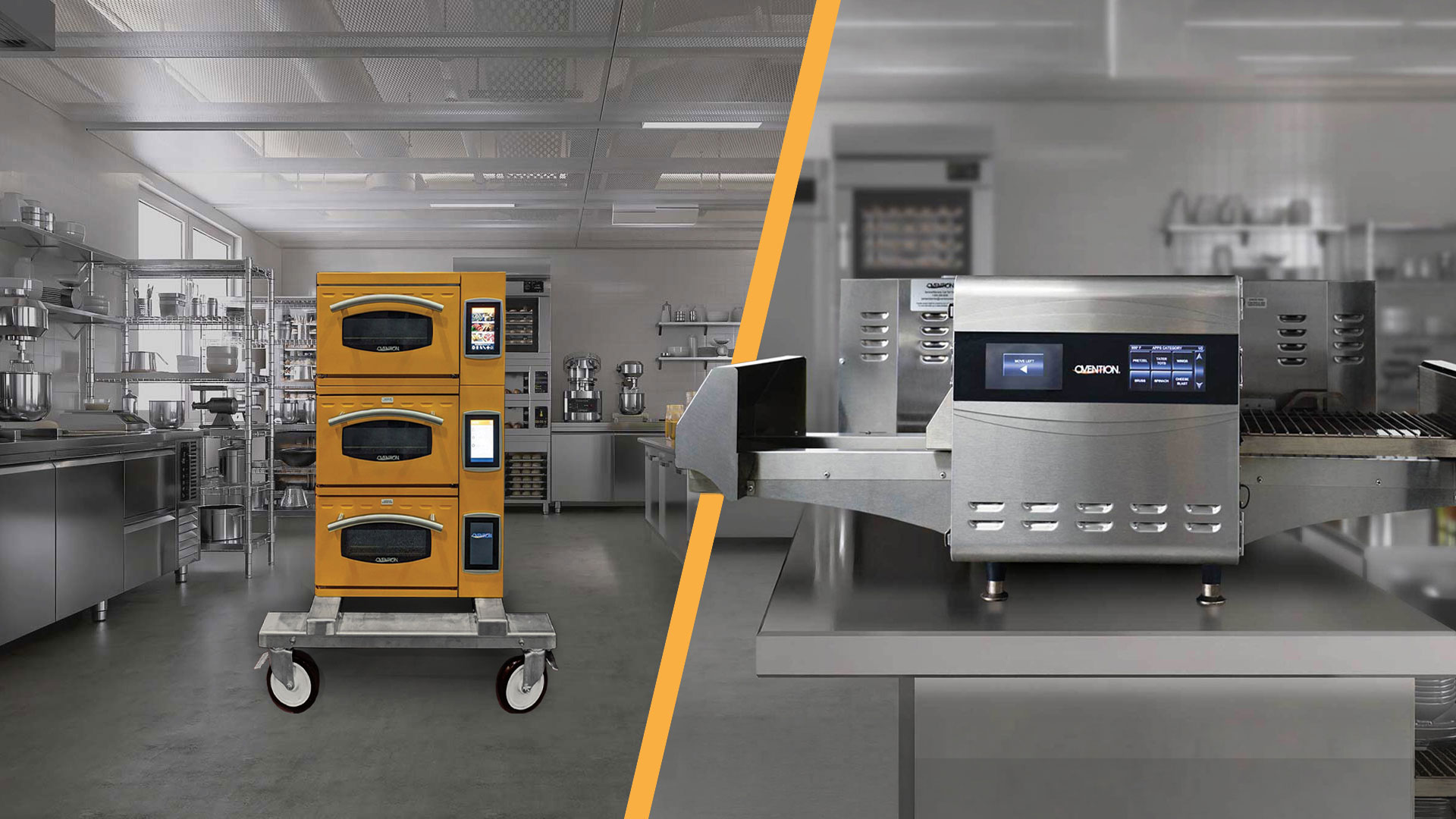


Choosing between a single-unit oven and a stackable configuration isn’t simply a matter of how much equipment you can fit in your kitchen.
A single oven may be all you need to keep orders moving efficiently. On the other hand, adding cooking capacity without taking up more floor space could be exactly what your operation needs to thrive.
Both configurations offer advantages, but the best choice depends on your menu volume, available space, workflow, and plans for growth. Here’s how to weigh your options before making the investment.
For many kitchens, a single oven provides the cooking capacity and versatility needed to keep service running smoothly with a straightforward setup.
The advantages:
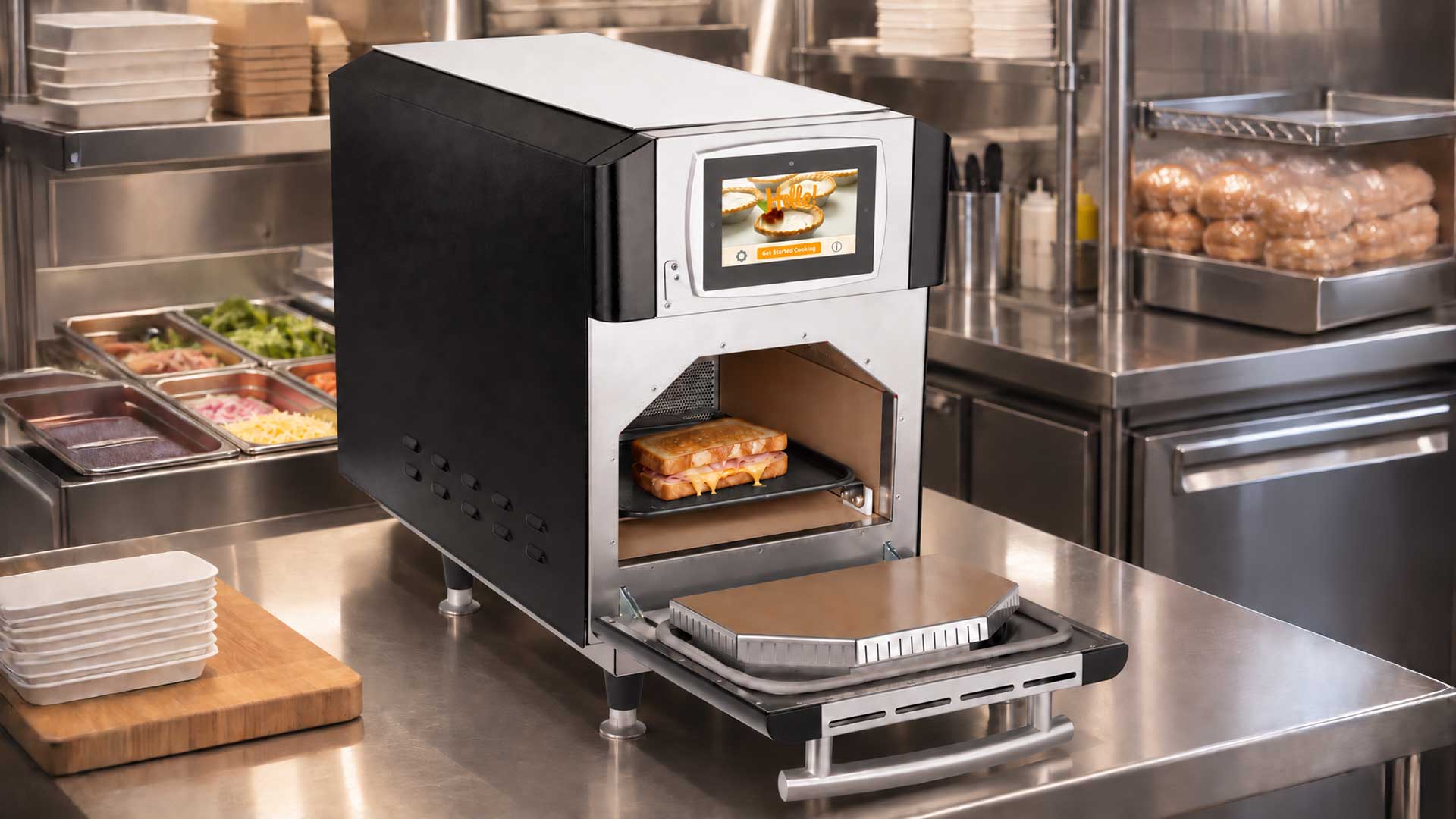
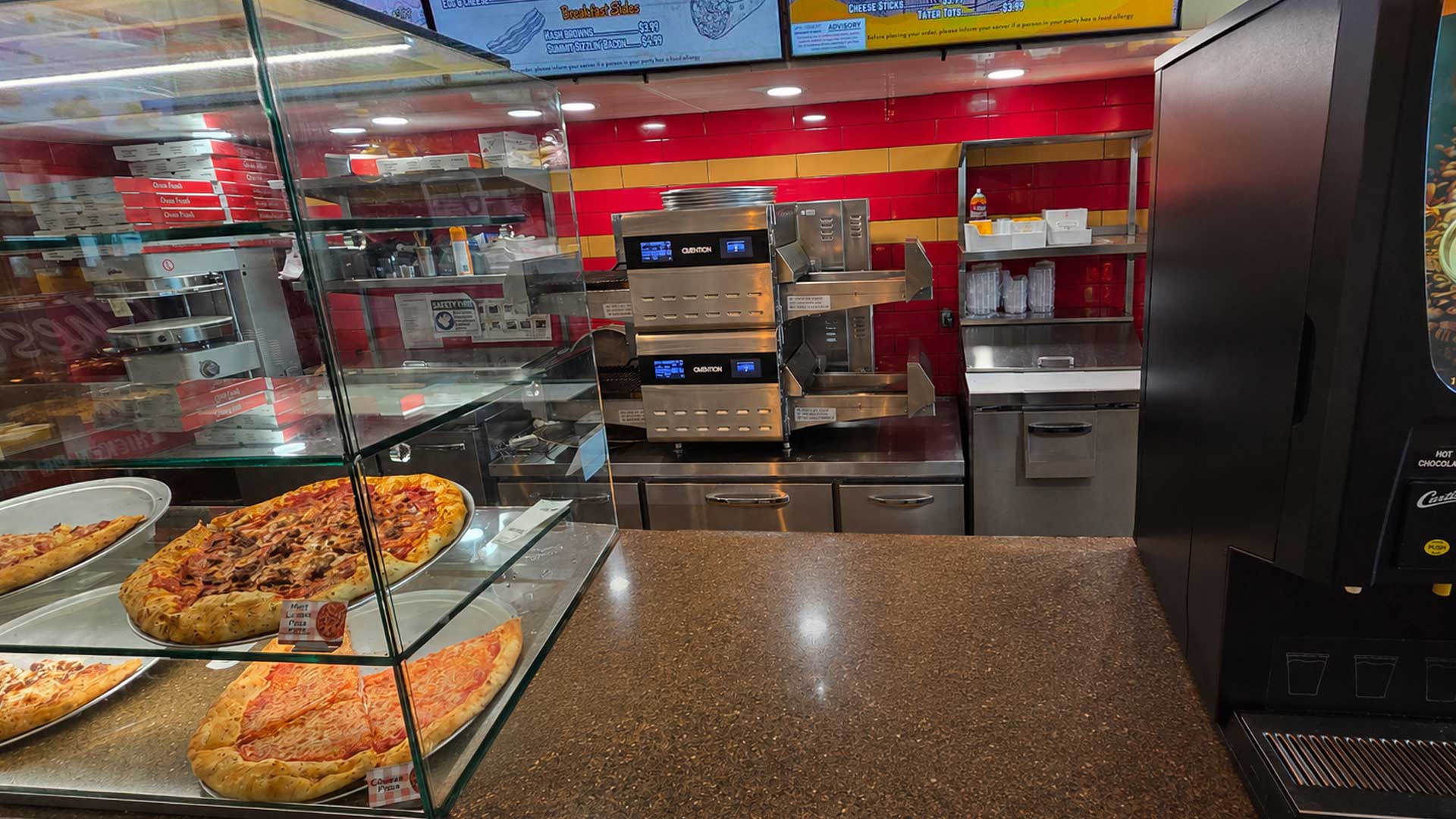
And there’s plenty of variety within the single-unit category. For example, a café serving breakfast sandwiches, flatbreads, and pastries might find that an Ovention Matchbox M360 provides all the versatility and cooking speed it needs. At the other end of the spectrum, Ovention Conveyor ovens are designed for high-volume production, with some models capable of cooking 80 pizzas or more per hour depending on pizza size.
The trade-off: A single oven can only handle so much at once. If orders begin arriving faster than it can keep up with them, service backs up. And if your operation grows, finding space for another oven may not be feasible.
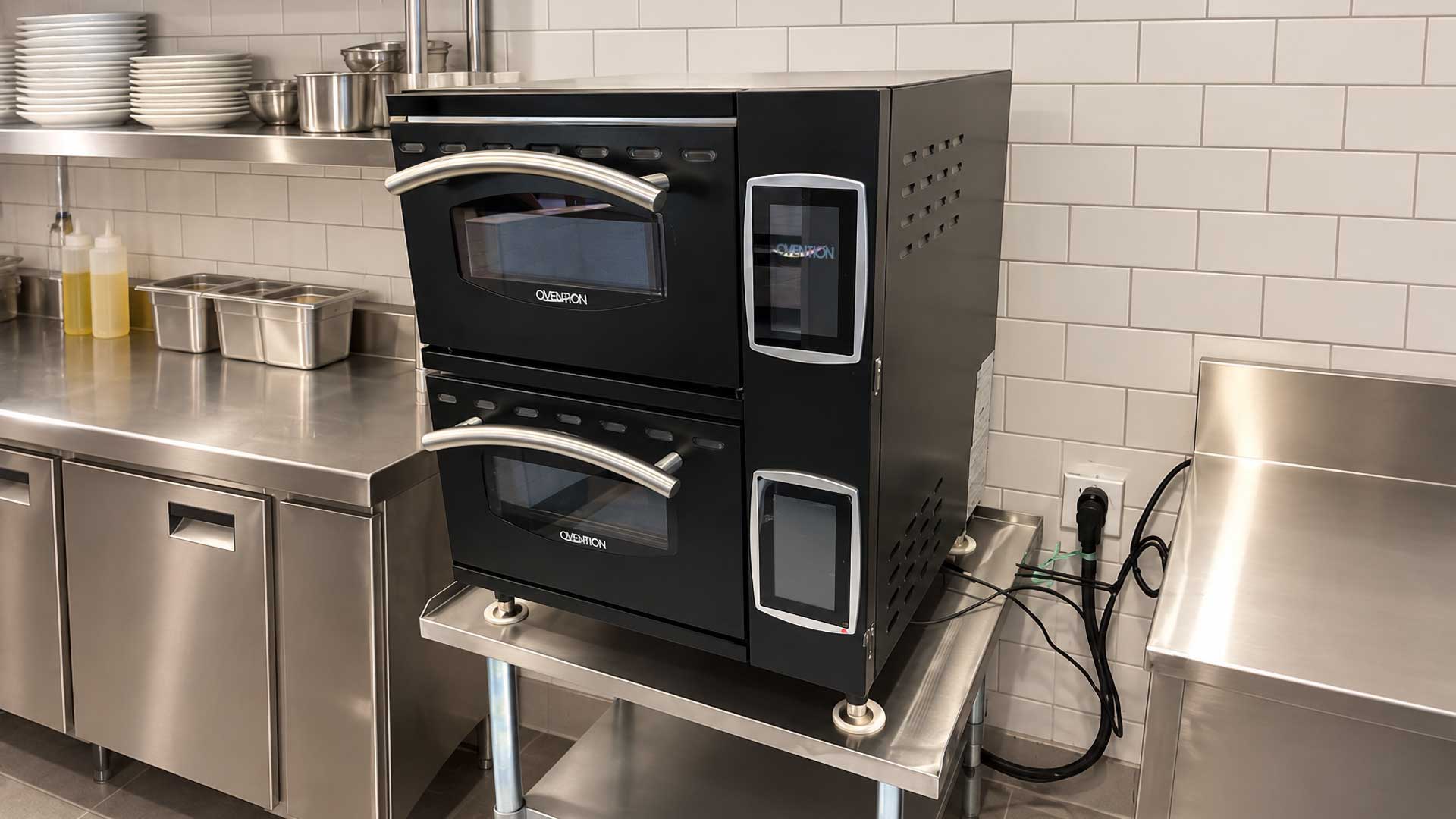
For kitchens that need more cooking capacity than a single oven can provide, a space-saving stacked configuration may be the answer. Rather than positioning ovens side by side, compatible models can be stacked vertically, preserving valuable kitchen space.
The advantages:
Ovention offers several options for expanding cooking capacity in limited space. The Conveyor and Shuttle lines include models that can be stacked using Ovention stacking kits, with certain configurations accommodating as many as three ovens vertically. Ovention’s Matchbox lines and the MiSAa12 also offer stacking options.
The MiLO Double takes a different approach, combining two independently controlled cooking cavities in one compact unit, allowing different dishes to cook simultaneously at different temperatures. A compatible MiLO Single can also be stacked with the Double for a three-cavity configuration.
The trade-off: More ovens mean an increased equipment investment, additional electrical requirements, and more surfaces and components to maintain. Vertical stacking also increases overall equipment height, so operators need to ensure staff can comfortably and safely load and unload food from every level.
Tip: Before investing in additional ovens, identify what’s actually slowing service. The issue may be oven throughput, but could also be food prep, order assembly, or another part of the workflow.
Of course, just because one oven could physically sit on top of another doesn’t mean they are designed to be stacked. Safe stacking requires manufacturer-approved configurations and the appropriate installation hardware.
Approved stacking kits are engineered to secure compatible units together and support a safe, stable installation. Ovention’s literature library provides model specifications, approved combinations, and installation requirements to help with your planning.
The best investment is an oven configuration that meets your production needs without leaving you short on capacity or paying for more than you’ll use. Start by evaluating your current operation, then consider whether your requirements are likely to change.
Ask yourself:
If a single oven can comfortably handle your busiest-hour production volume and accommodate your menu, there’s little reason to invest in additional equipment. But if your production demands exceed what one oven can handle, or different menu items regularly compete for cooking time, stacking compatible units may be a worthwhile consideration, particularly when space is limited. Even if one oven meets your needs today, choosing a stackable model can leave room to expand later.
Not sure which configuration makes the most sense for your kitchen? Start with our 1-Minute Oven Quiz, browse the Ovention oven lineup, or talk with an Ovention representative who can help match your menu, production requirements, and available space with the right equipment.
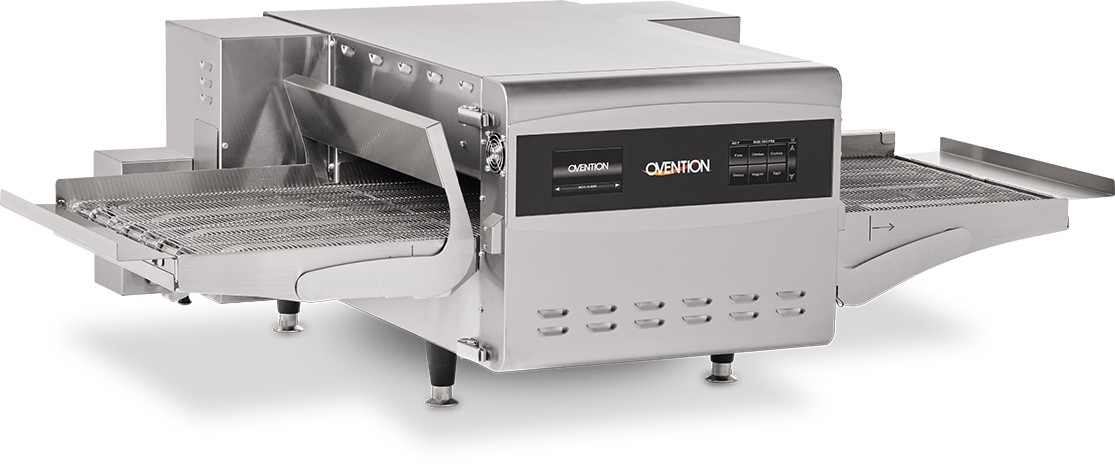
If you value precision and volume, Ovention has the perfect oven to fit your operation. The Shuttle sets the new standard for conveyor ovens everywhere. No other oven can operate as both a conveyor and a closed-cavity oven.
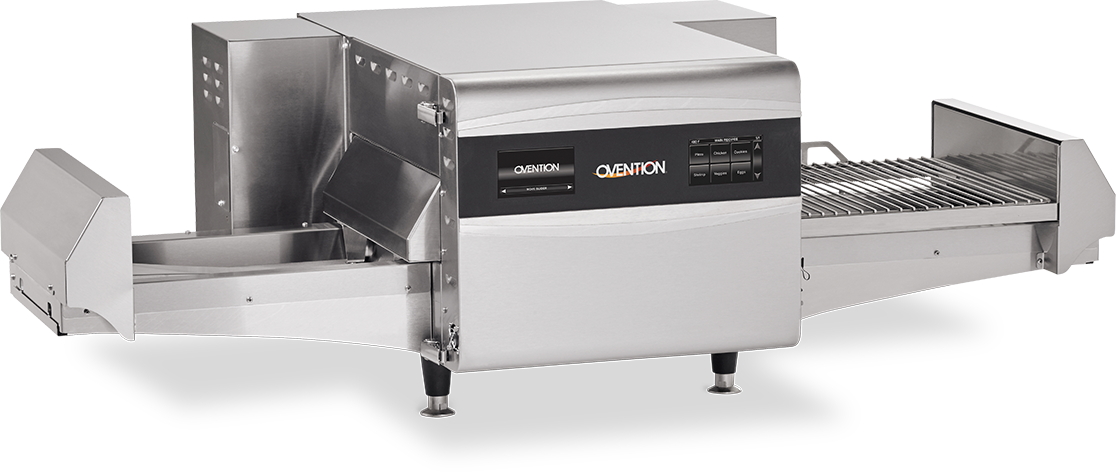
Cook a full menu of delicious offerings without an oven hood. The Ovention Matchbox 1718/1313 takes the traditional conveyor oven to a whole new level.
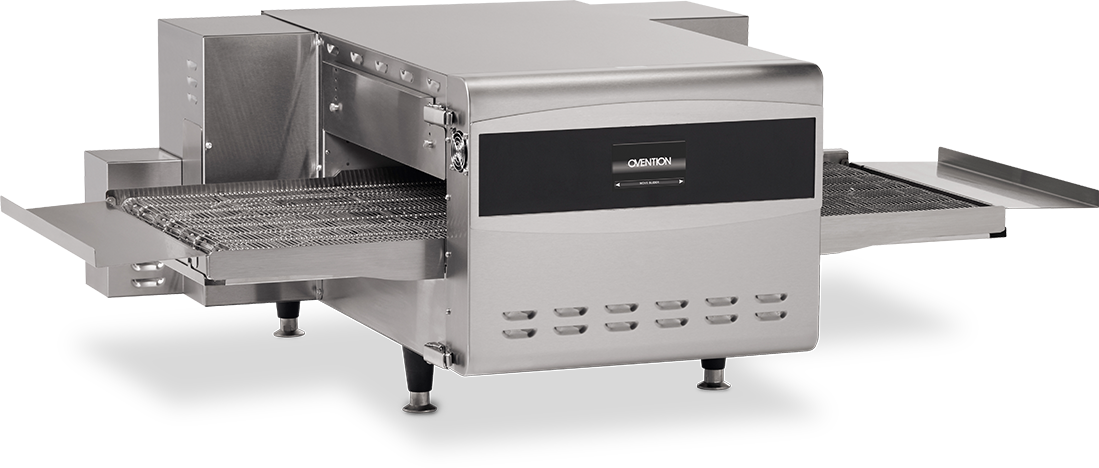
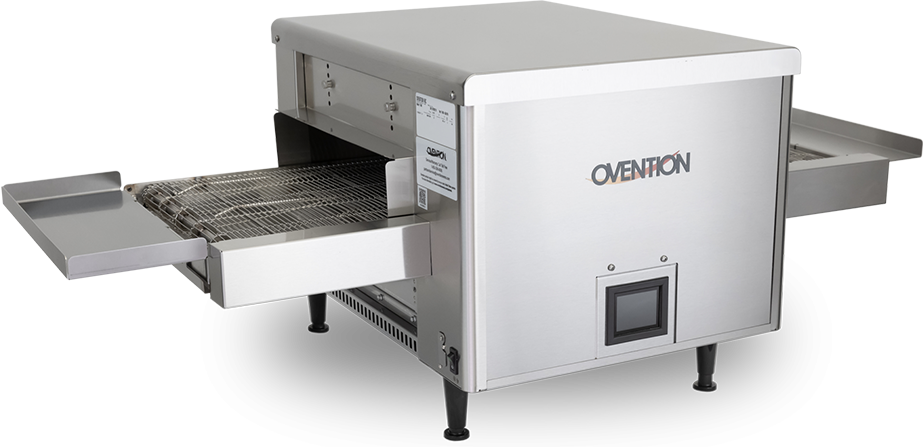
Simple, smart and the right fit for operators looking for a high-throughput conveyor oven. The Ovention Conveyor Oven is the most technologically elegant and operator-friendly conveyor on the market today.
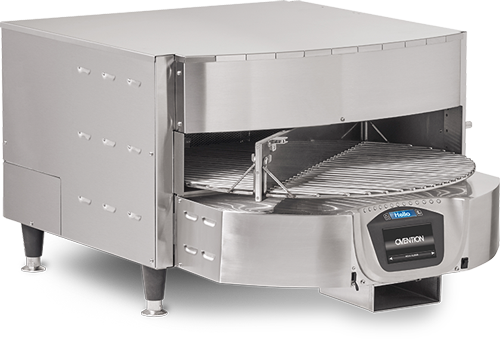
Cook a full menu better, faster, and easier. The Ovention Matchbox M360 has Precision Impingement® technology, a unique cooking carousel, and a small footprint, making it the perfect fit for any operation.
Finish your plates with ease and precision with this robust IR finishing conveyor. Melt, sear, toast, and finish to perfection with this operator-friendly, quiet conveyor.
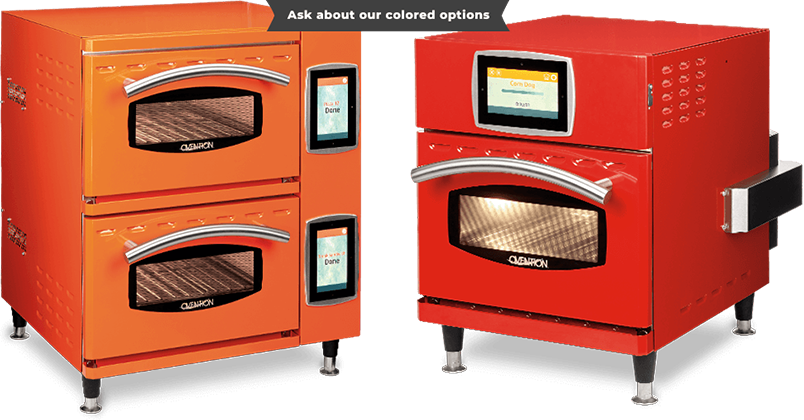
Revolutionary infusion of Linear Impingement and Infrared (IR) technologies. Independently controlled top and bottom cavities, each with its own interior light and control panel.
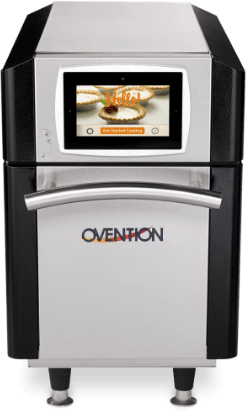
Introducing MiSA; Microwave Speed Assist. Higher quality, higher speed, smaller footprint.
A few extra minutes in the oven may not sound expensive. Multiply those minutes by dozens or hundreds of orders […]
In a busy foodservice operation, an oven has to handle more than what’s cooking inside it. Its exterior lives in […]
Great oven recommendations rarely begin with product specifications. They begin with curiosity. The most successful oven reps know that customers […]
Our goal is to partner with you to help you build your business. We will set up a demonstration that suits your needs, whether you want us to cook your current product, show you a range of new products, or do a side-by-side comparison with another oven we are ready to show you what Ovention can do.
Please complete ALL the fields below to schedule a demo.*
Scroll down to discover more
Experience an Ovention oven in action. We have test kitchens all across the country and representatives waiting to demonstrate our award-winning technology and ease of use. Contact us today to learn how one of our ovens can elevate your culinary versatility and build your business.
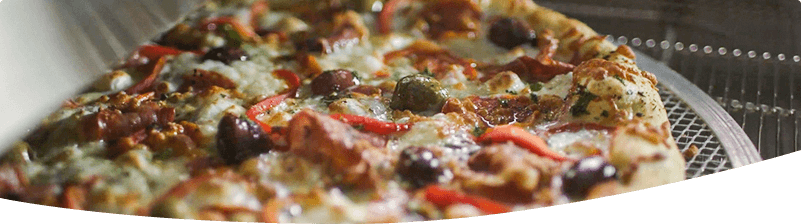
Cooked with Conveyor 2600/2000