
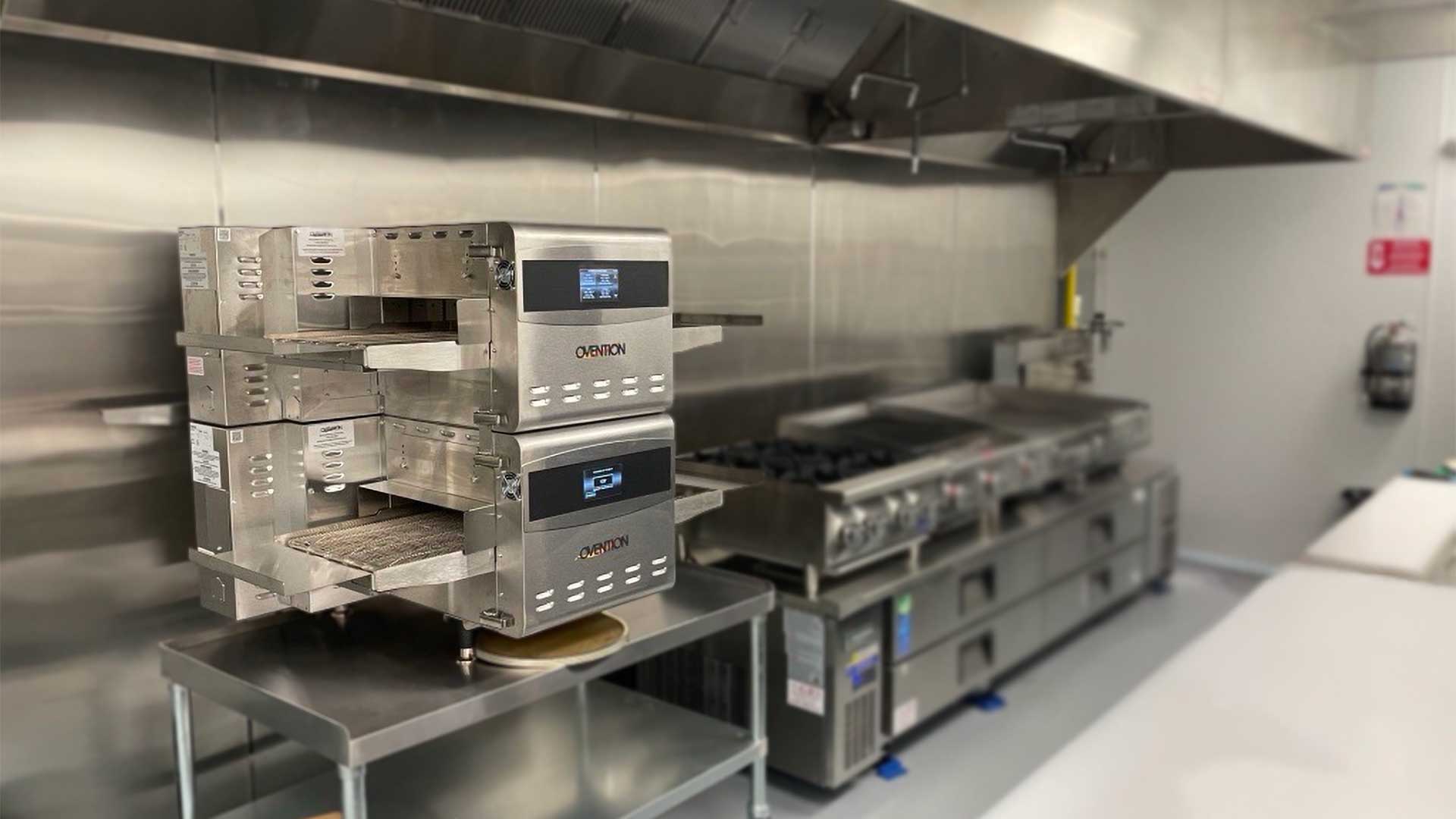


“Plug-and-play” sounds like a dream. Roll the oven in, plug it in, and you’re off to the races.
In reality, most operators know it’s not always that simple.
Between electrical requirements, ventilation rules, and site-specific constraints, what looks like a quick setup on paper can turn into a drawn-out process that delays opening day and adds unexpected costs.
So what does “plug-and-play” actually mean for an oven in a foodservice environment? And more importantly, what does it look like when it’s done right?
At its best, plug-and-play equipment delivers three things:
For foodservice operations building out a new space or adding capacity, that kind of simplicity keeps projects on schedule and helps teams start filling tickets faster.
But that’s the ideal. The reality can look a little different.
Where Plug-and-Play Can Get Derailed
The biggest challenge with “plug-and-play” is that it often gets used as a blanket term. Not all equipment labeled this way delivers the same experience. A gaming console might truly be “plug-and-play,” requiring little more than a power connection and a quick login. Commercial ovens are different. Even streamlined, ventless models still require planning around power, placement, workflow, and startup procedures before they’re fully ready for service.
Here are a few things to keep in mind.
Hidden Infrastructure Needs
Some equipment still depends on significant behind-the-scenes support. Electrical upgrades, dedicated circuits, or ventilation systems can quickly complicate what was expected to be a straightforward install.
Ventilation Accommodations
This is one of the biggest sticking points. Equipment that requires a Type 1 hood brings added cost, design constraints, and approval timelines. The requirements for hooded ovens can also limit where equipment can be placed and how a kitchen can comfortably evolve in the future.
Startup Stumbles
Even after installation, some ovens require fine-tuning, testing, or operator training before they’re truly ready for service. That gap between “installed” and “operational” can be where unexpected delays and additional complexities creep in.
If the goal is to remove friction, then plug-and-play should go beyond basic installation. It should create a predictable, repeatable path from delivery to daily use.
That includes:
In other words, your new oven should feel like a positive step forward for your kitchen and staff.
One of the biggest shifts in modern foodservice equipment is the move toward ventless operation.
By eliminating the need for a traditional hood system, ventless ovens remove one of the most common barriers to quick installation. That means:
This is where the idea of plug-and-play starts to feel real. When you reduce the number of variables, you reduce the number of delays.
Ovention ovens are designed as self-contained systems that support this kind of streamlined setup, giving operators more flexibility without the constraints of traditional ventilation. If you’re evaluating whether ventless is the right fit for you, this guide to choosing a ventless oven covers the key factors you’ll want to consider.
Installation is only half the story.
Even if an oven is easy to set up, it still needs to deliver day in and day out without adding complexity for the team. That’s where operational simplicity matters.
Consistency Without Constant Oversight
Programmable recipes and presets allow teams to produce the same result every time, even during high-volume service. Once a cook is dialed in, it stays dialed in.
Ovention ovens support customizable cooking programs and access to chef-tested recipes, helping teams get up and running faster with dependable results.
Faster Training for Staff
When equipment is intuitive and results are easily replicated, new team members can get up to speed quickly. Instead of learning through trial and error, they’re using proven settings that remove guesswork.
Versatility That Reduces Workarounds
A multi-functional oven can handle a range of tasks in one footprint, from roasting to baking to finishing. That flexibility keeps the kitchen moving without requiring additional equipment or complicated workflows.
That’s where Ovention models bring the concept to life. A Shuttle oven supports fast, consistent cooking during peak service, while a Matchbox oven offers a compact, user-friendly option for smaller footprints or front-of-house setups. For higher-volume environments, MiLO and MiLO Double ovens add capacity without adding complexity, helping teams scale output without reworking flows.
If you’re looking for a solution that fits your operation, the 1-Minute Oven Quiz provides a quick way to match your menu and throughput to your ideal oven.
All of that plug-and-play simplicity ultimately leads to one major advantage: predictability.
Operators can plan with confidence when they know:
Understanding what actually happens between delivery and first cook is part of that predictability. This breakdown of what to expect during an oven installation walks through the real-world steps, from placement and setup to initial startup checks, so there are no surprises on install day.
Performance predictability matters every day after installation. Consistent cooking results, programmable controls, and workflows that are easy for teams to repeat day after day are what ultimately make a plug-and-play oven dependable in a real kitchen environment.
Predictability reduces risk. It keeps projects on track and helps teams focus on what matters most: delivering great food and a great experience.
The best ovens never slow you down. They meet you where you are and lay the groundwork for kitchens that are flexible, reliable, and ready for whatever service brings next.
That’s the real promise behind plug-and-play. When it is done right, it simplifies the path from installation to everyday operation, helping kitchens get up and running without complications and operate with confidence.
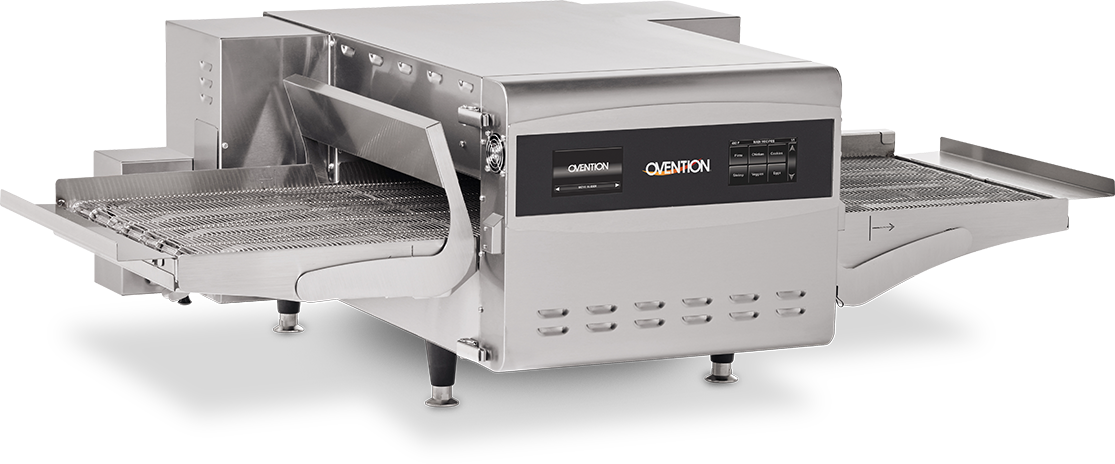
If you value precision and volume, Ovention has the perfect oven to fit your operation. The Shuttle sets the new standard for conveyor ovens everywhere. No other oven can operate as both a conveyor and a closed-cavity oven.
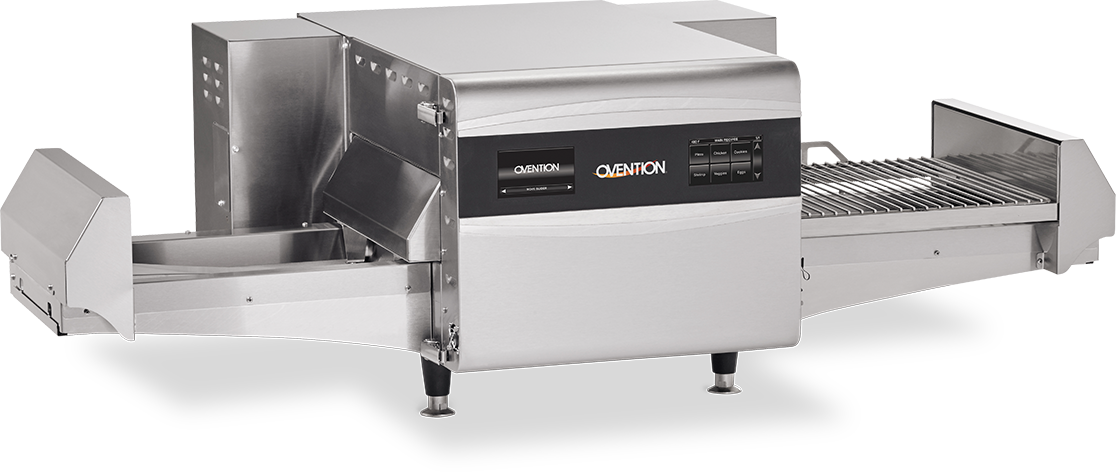
Cook a full menu of delicious offerings without an oven hood. The Ovention Matchbox 1718/1313 takes the traditional conveyor oven to a whole new level.
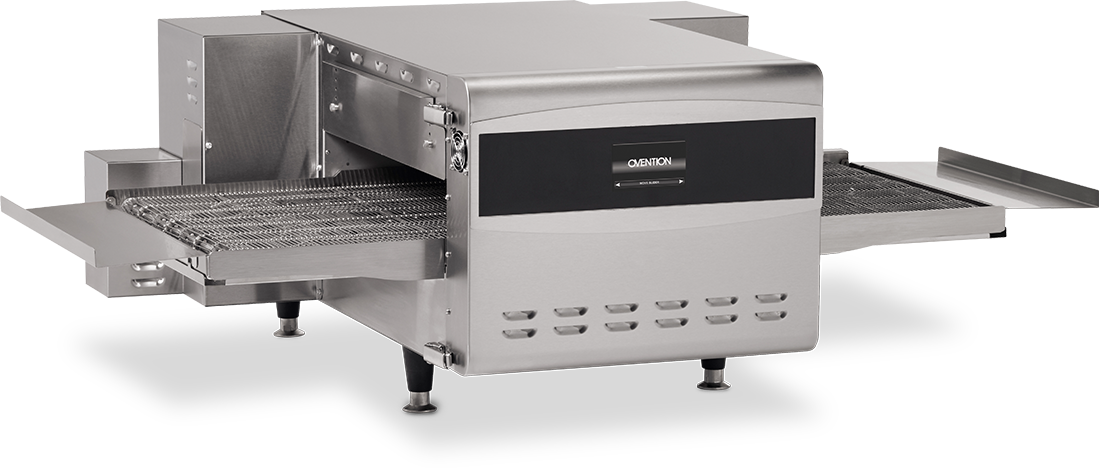
Simple, smart and the right fit for operators looking for a high-throughput conveyor oven. The Ovention Conveyor Oven is the most technologically elegant and operator-friendly conveyor on the market today.
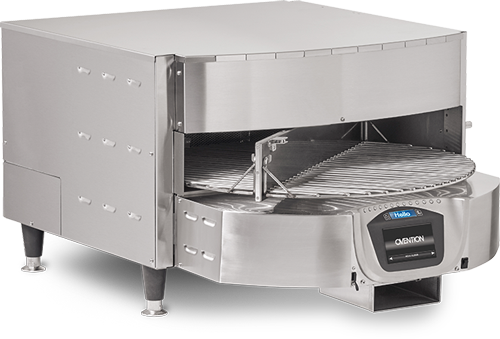
Cook a full menu better, faster, and easier. The Ovention Matchbox M360 has Precision Impingement® technology, a unique cooking carousel, and a small footprint, making it the perfect fit for any operation.
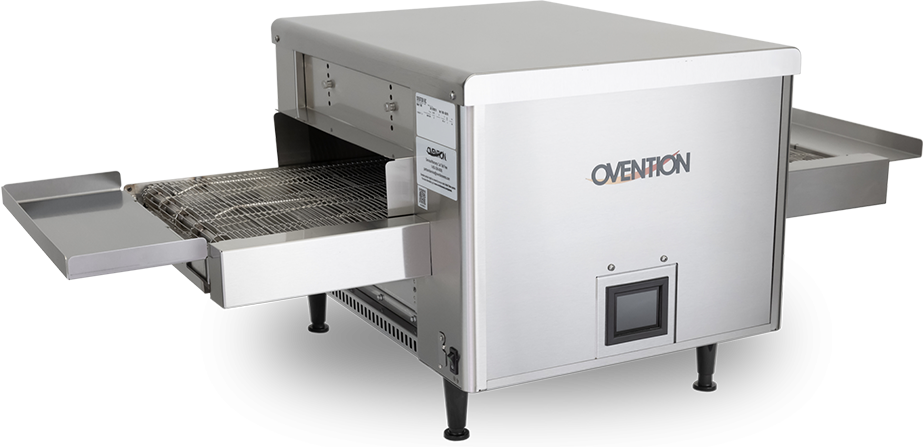
Finish your plates with ease and precision with this robust IR finishing conveyor. Melt, sear, toast, and finish to perfection with this operator-friendly, quiet conveyor.
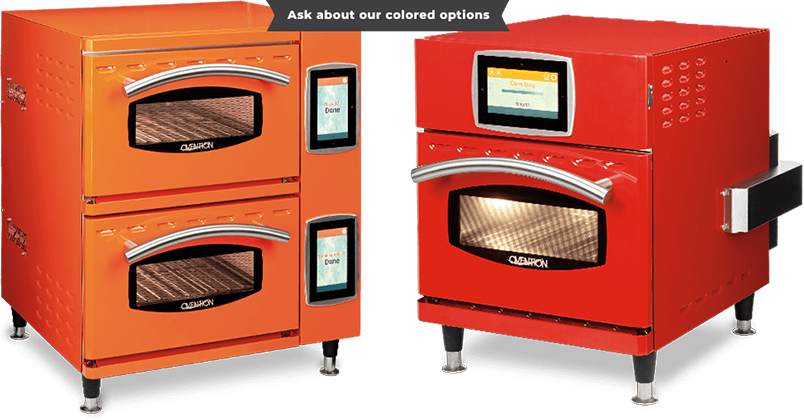
Revolutionary infusion of Linear Impingement and Infrared (IR) technologies. Independently controlled top and bottom cavities, each with its own interior light and control panel.
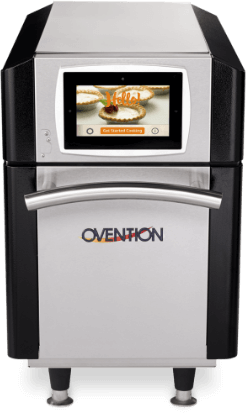
Introducing MiSA; Microwave Speed Assist. Higher quality, higher speed, smaller footprint.
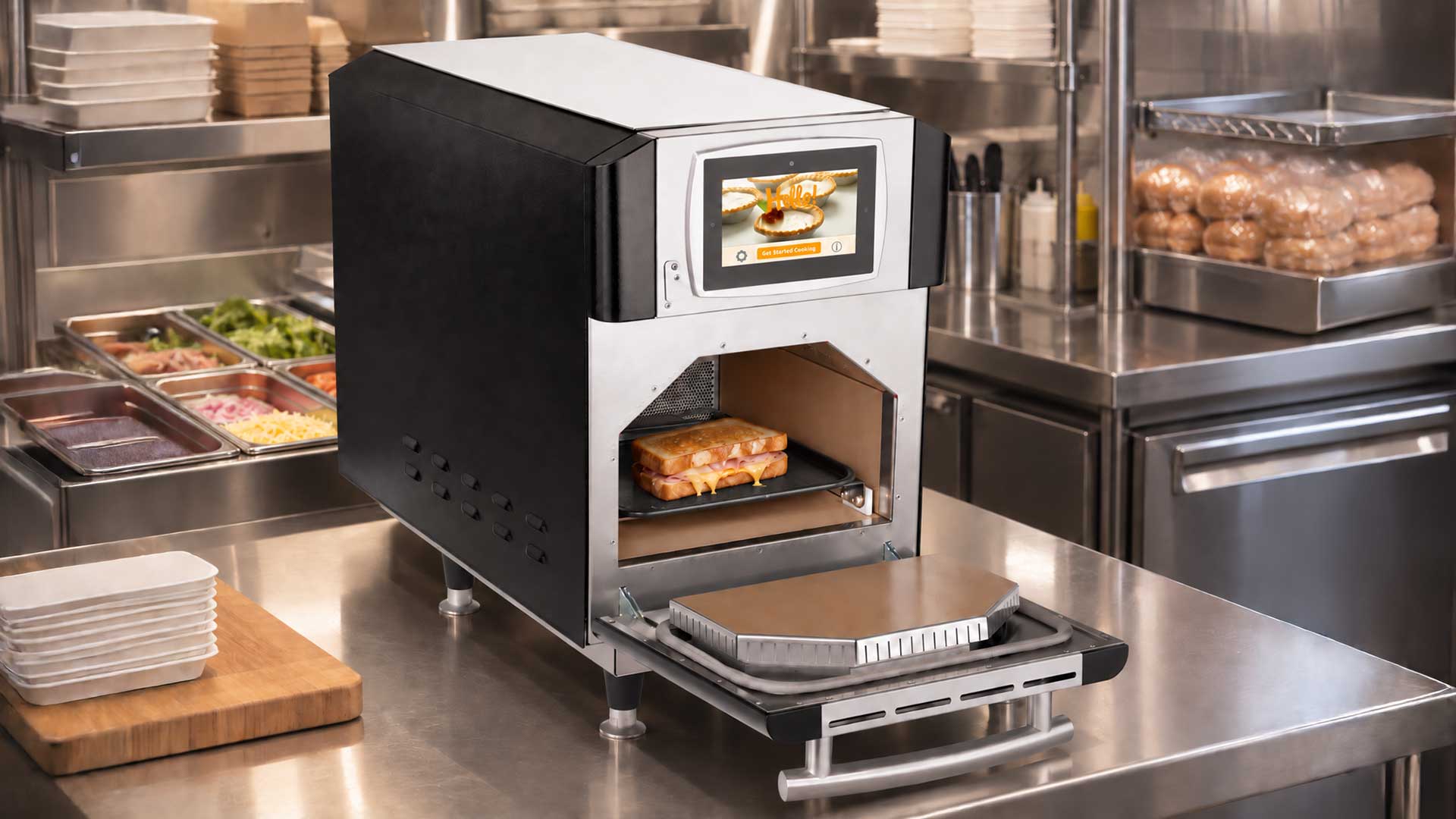
A few extra minutes in the oven may not sound expensive. Multiply those minutes by dozens or hundreds of orders […]
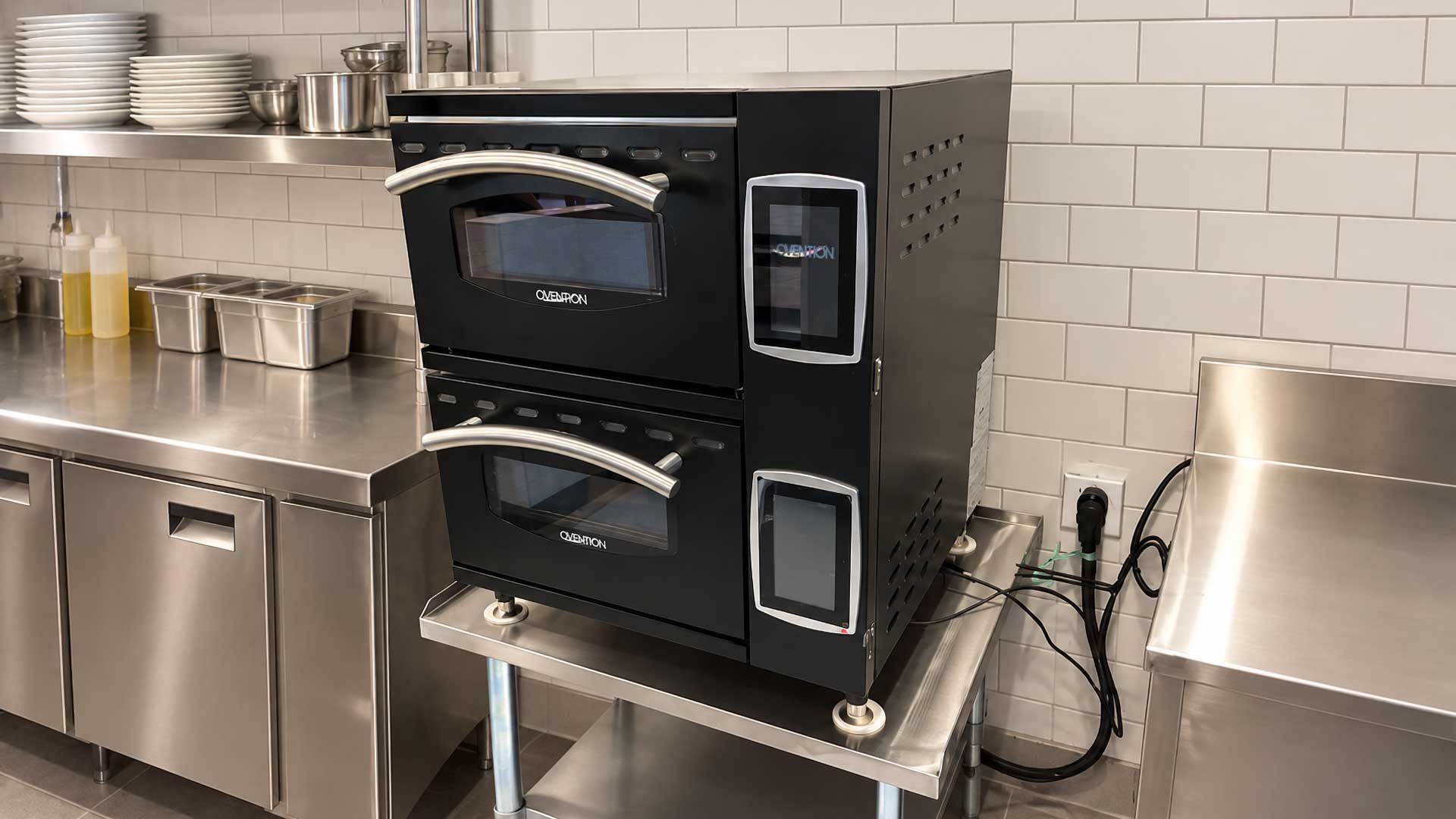
In a busy foodservice operation, an oven has to handle more than what’s cooking inside it. Its exterior lives in […]
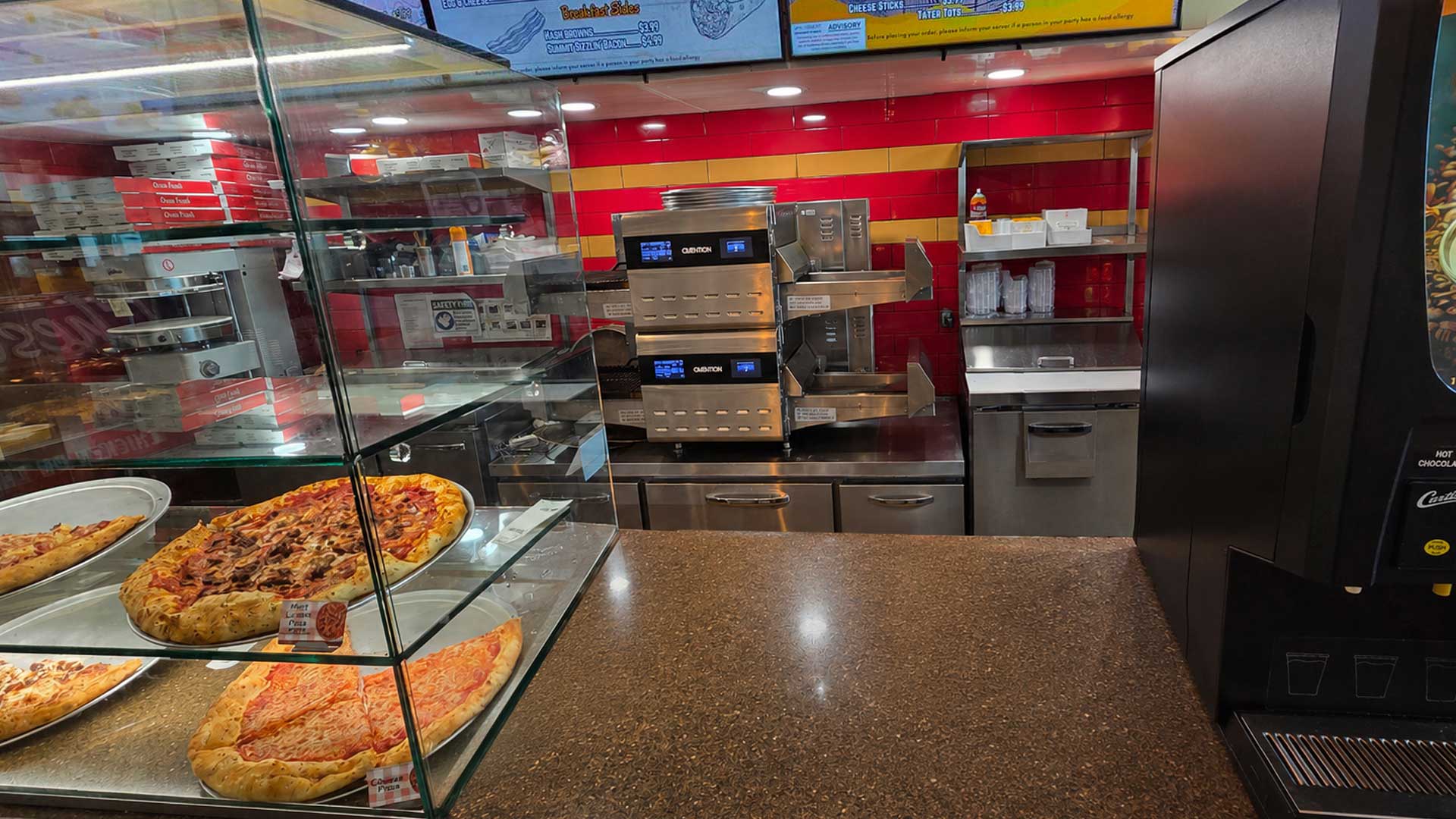
Great oven recommendations rarely begin with product specifications. They begin with curiosity. The most successful oven reps know that customers […]
Our goal is to partner with you to help you build your business. We will set up a demonstration that suits your needs, whether you want us to cook your current product, show you a range of new products, or do a side-by-side comparison with another oven we are ready to show you what Ovention can do.
Please complete ALL the fields below to schedule a demo.*
Scroll down to discover more
Experience an Ovention oven in action. We have test kitchens all across the country and representatives waiting to demonstrate our award-winning technology and ease of use. Contact us today to learn how one of our ovens can elevate your culinary versatility and build your business.
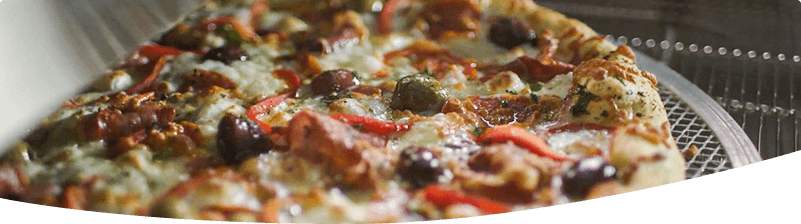
Cooked with Conveyor 2600/2000