
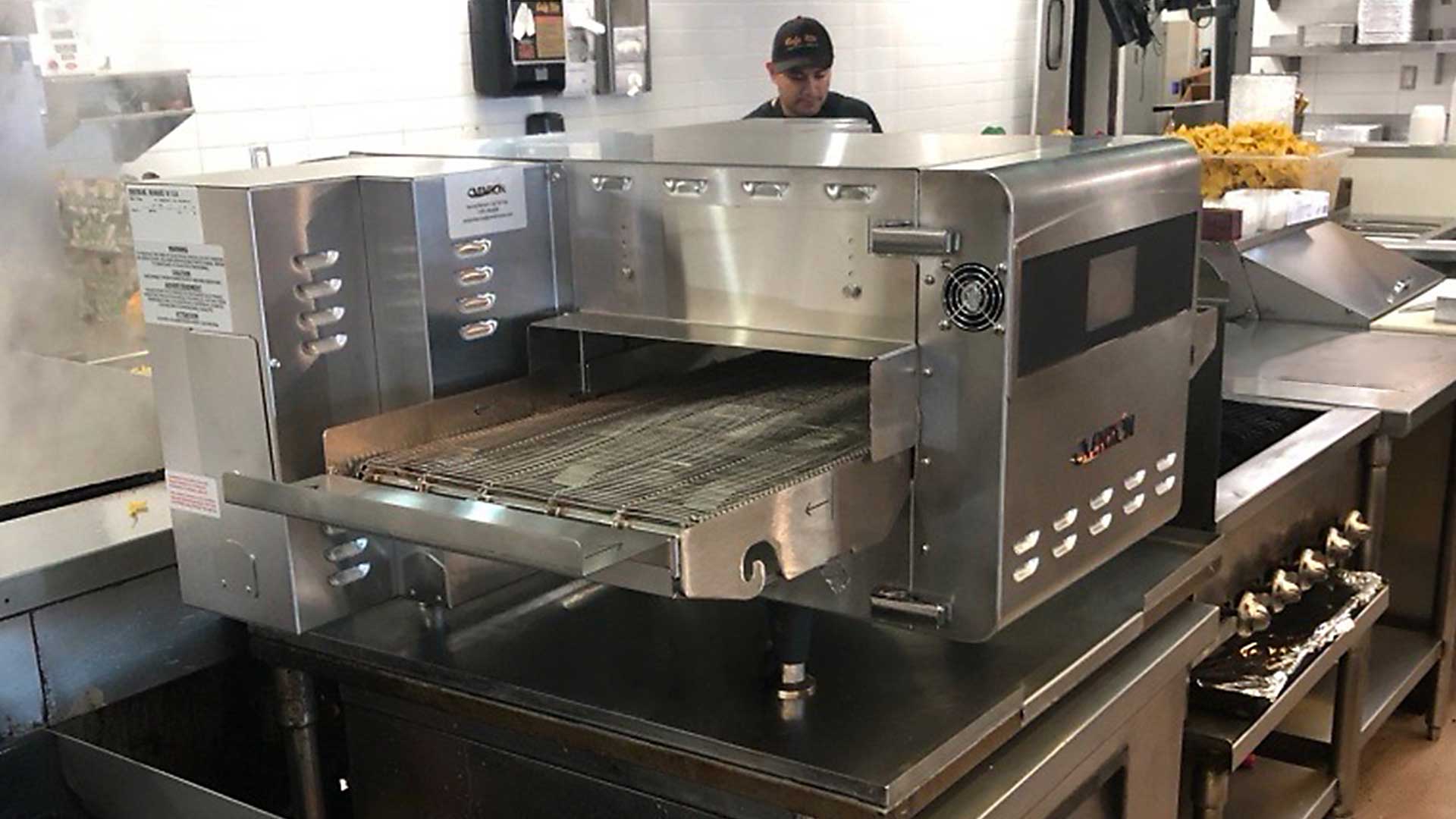


Cooking performance drives oven selection. But the oven you choose also determines how complex installation will be and how quickly you can start using your new equipment.
For some kitchens, oven installation is a full buildout conversation. For others, it’s a much more streamlined process. The difference often comes down to one key factor: ventilation.
Understanding what goes into each type of installation helps you plan smarter, avoid surprises, and keep your installation on track.
In a conventional vented setup, the oven is one piece of a much larger system.
Installation typically includes:
Each of these elements adds time, coordination, and cost. Fully installed Type I hood systems can run in the range of $4,000 to $5,000 per linear foot when ventilation, fire suppression, and installation are factored in. Depending on the scope, that can also mean days or even weeks added to your timeline, along with additional buildout expenses.
It’s a common route. But it’s also complex and infrastructure-heavy.
In a ventless configuration, the oven incorporates an integrated catalytic filtration system that eliminates the need for traditional ventilation infrastructure. Rather than exhausting heat, smoke, greaseladen vapors, and odors through ductwork, the catalyst actively breaks them down inside the unit before clean air is returned to the space.For operators, that changes the installation equation in a big way.
With ventless models like those in the Ovention oven lineup, there’s no need for a traditional hood system in approved applications. That removes one of the biggest variables in both cost and complexity.
Instead, ventless installation focuses on:
Ventless ovens still require compliance with local codes and that may include an inspection. However, because they are tested and certified as self-contained systems, the inspection scope is limited to the oven and its installation conditions, rather than a full ventilated system buildout. Many manufacturers, including Ovention, provide model-specific ventless documentation packets to help streamline your inspection approval and the sign-off process.
Once the prep work is handled, installation day itself is usually straightforward.
Here’s what that typically looks like:
The oven is positioned according to your planned layout, whether that’s back-of-house, front-of-house, or a nontraditional location like a kiosk or serving station.
Plan ahead: Have the unit delivered in advance of installation day so it’s on-site, checked for any shipping damage, and ready to go. Confirm access points, door widths, and final placement ahead of time, especially for larger units, to avoid delays or the need to reposition equipment at the last minute.
If you’re planning ahead for a new Ovention oven, you can review model specifications, installation requirements, and ventless documentation in the Ovention Literature Library to understand exactly what your space will need before installation day.
A licensed professional typically handles the initial electrical connection, ensuring the power supply meets the oven’s requirements. Electrical configurations vary by model, and while some units may use plug-in connections, many are hardwired and require dedicated circuits.
The oven is powered on and run through basic startup checks to confirm it’s operating correctly, including airflow, temperature, and control functionality.
Take the time to load recipes, adjust settings, and get familiar with the oven so you’re fully ready for service. With Ovention ovens, programmable presets and intuitive controls help shorten this learning curve, allowing teams to get up to speed quickly.
If you’re installing an Ovention oven, our team supports setup and testing through your local Ovention representative to help get your new unit up and running smoothly.
Even with a clear plan, a few factors can influence how quickly you move from install to operation.
Electrical readiness: If power requirements aren’t already in place, upgrades or adjustments can add time before installation can begin.
Local approvals: Inspection timing can impact your schedule, especially for hooded installations that require coordination across ventilation, fire suppression, and exhaust systems. Ventless ovens have a more streamlined review process, but approvals can still take time depending on your jurisdiction. Plan ahead, confirm requirements early, and get on the inspector’s schedule to avoid delays.
Space planning: Clearances, workflow alignment, and final placement decisions can delay installation if they’re not resolved ahead of time. Last-minute adjustments may require repositioning equipment, reworking layouts, or even revisiting electrical access.
The more these elements are addressed upfront, the smoother installation day will be.
Installation isn’t just a one-time event. It can also determine how flexible your kitchen will be moving forward.
A hooded setup locks equipment into place. Expanding or reconfiguring later can mean revisiting ventilation, permits, and infrastructure all over again.
A ventless approach opens up different possibilities.
It allows you to:
That flexibility is one of the reasons ventless ovens show up in spaces that weren’t traditionally built for cooking, from campus dining and c-stores to kiosks and hospitality environments. And it’s what makes them the perfect fit for any modular kitchen design.
A well-planned installation keeps things smooth and gets you up and running without delays, rework, or last-minute adjustments.
Knowing your new oven’s setup requirements helps you plan accurately, coordinate approvals, and keep the process moving.
When the details are handled upfront, from power to placement to compliance, the final step is simple: turn it on and get cooking.
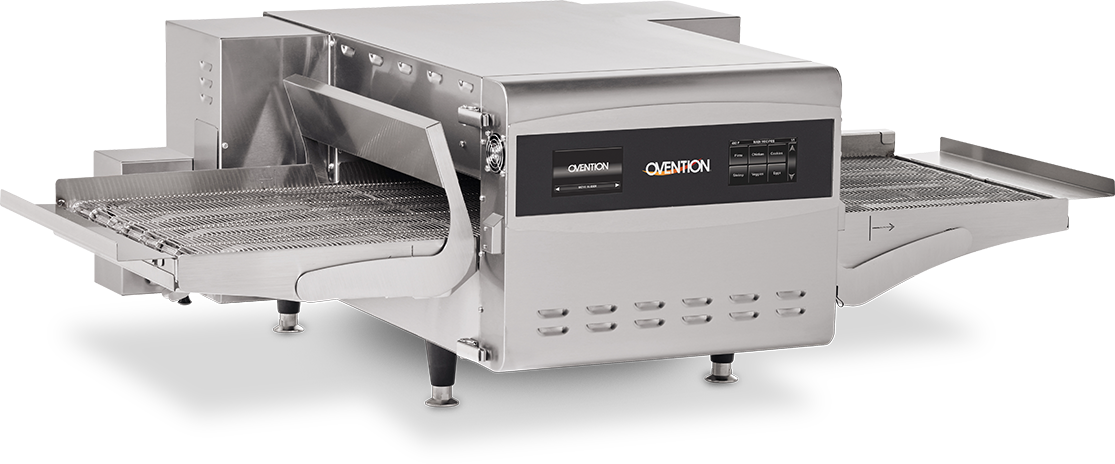
If you value precision and volume, Ovention has the perfect oven to fit your operation. The Shuttle sets the new standard for conveyor ovens everywhere. No other oven can operate as both a conveyor and a closed-cavity oven.
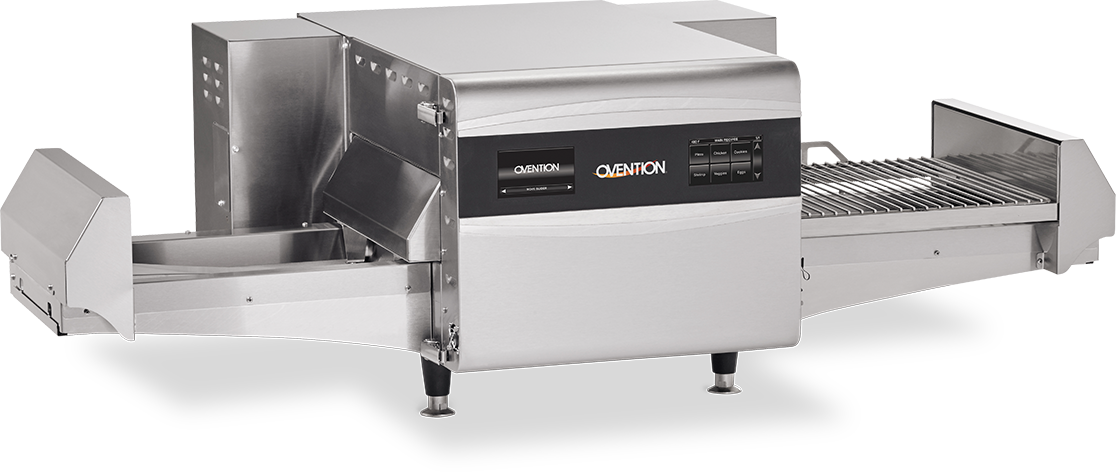
Cook a full menu of delicious offerings without an oven hood. The Ovention Matchbox 1718/1313 takes the traditional conveyor oven to a whole new level.
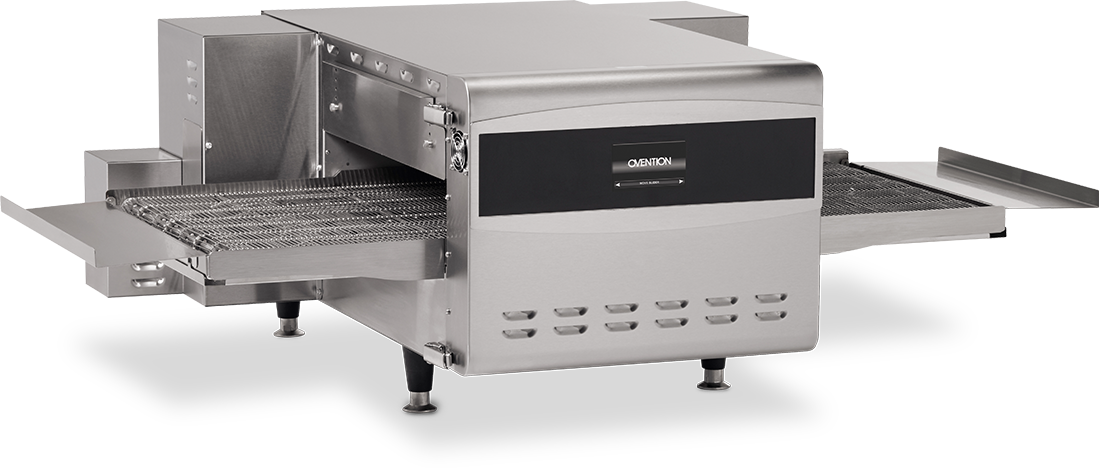
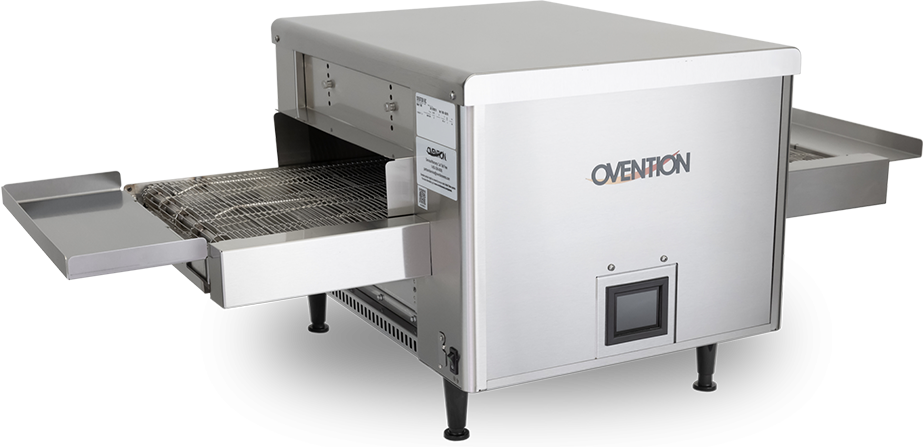
Simple, smart and the right fit for operators looking for a high-throughput conveyor oven. The Ovention Conveyor Oven is the most technologically elegant and operator-friendly conveyor on the market today.
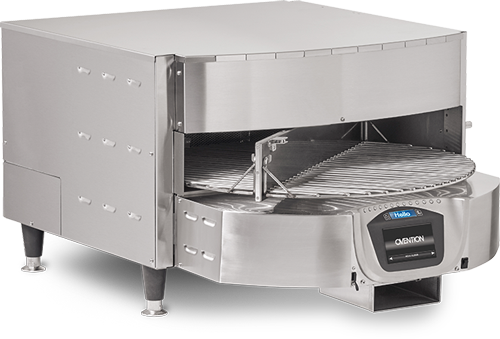
Cook a full menu better, faster, and easier. The Ovention Matchbox M360 has Precision Impingement® technology, a unique cooking carousel, and a small footprint, making it the perfect fit for any operation.
Finish your plates with ease and precision with this robust IR finishing conveyor. Melt, sear, toast, and finish to perfection with this operator-friendly, quiet conveyor.
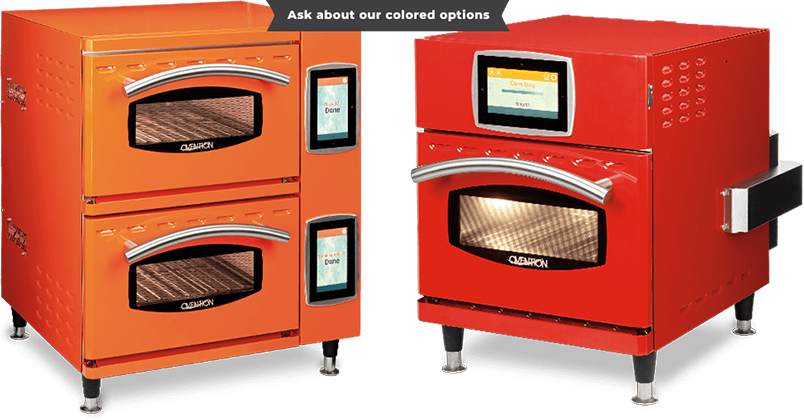
Revolutionary infusion of Linear Impingement and Infrared (IR) technologies. Independently controlled top and bottom cavities, each with its own interior light and control panel.
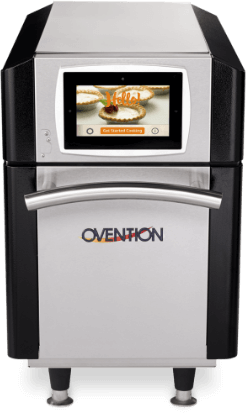
Introducing MiSA; Microwave Speed Assist. Higher quality, higher speed, smaller footprint.
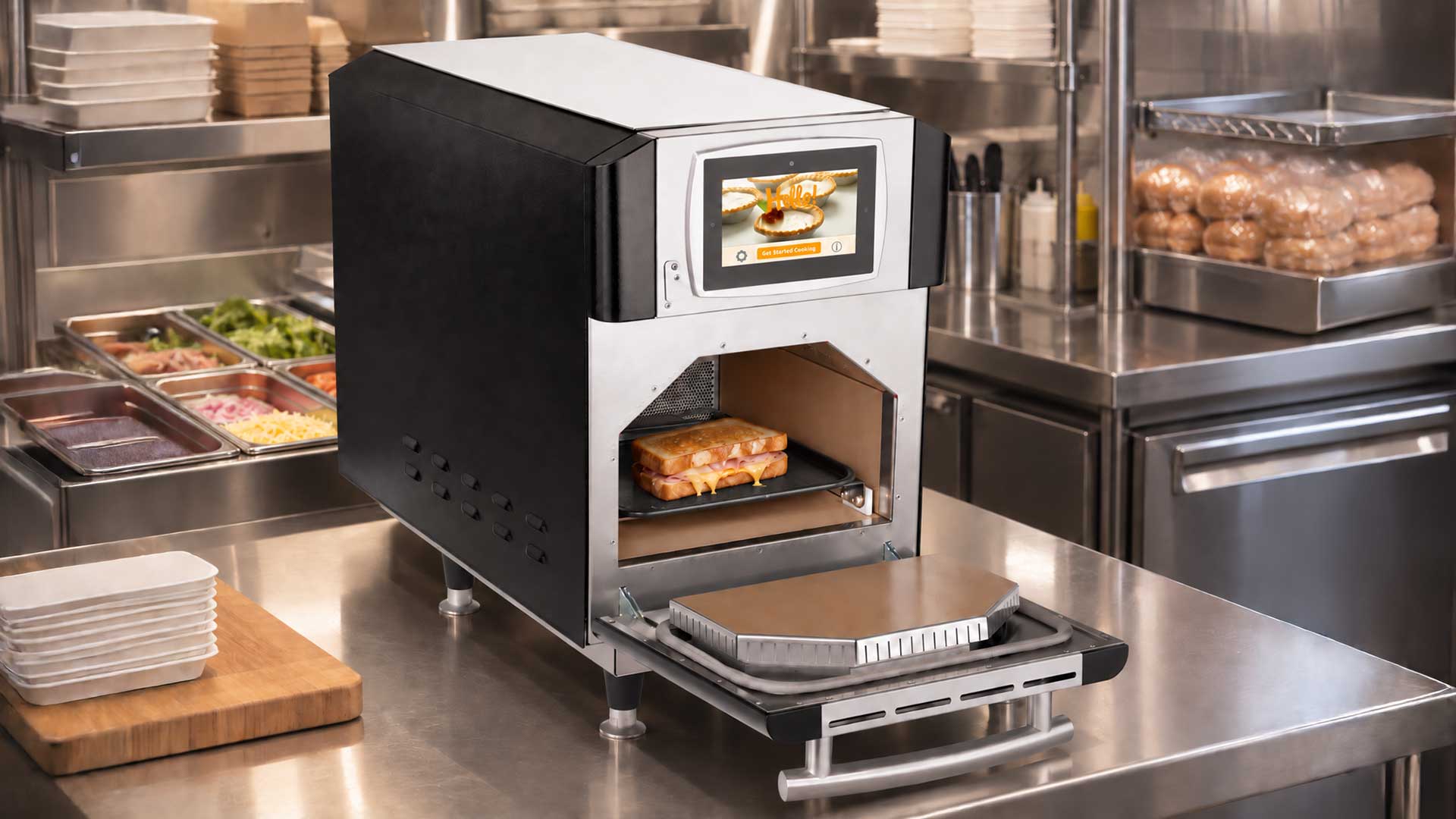
A few extra minutes in the oven may not sound expensive. Multiply those minutes by dozens or hundreds of orders […]
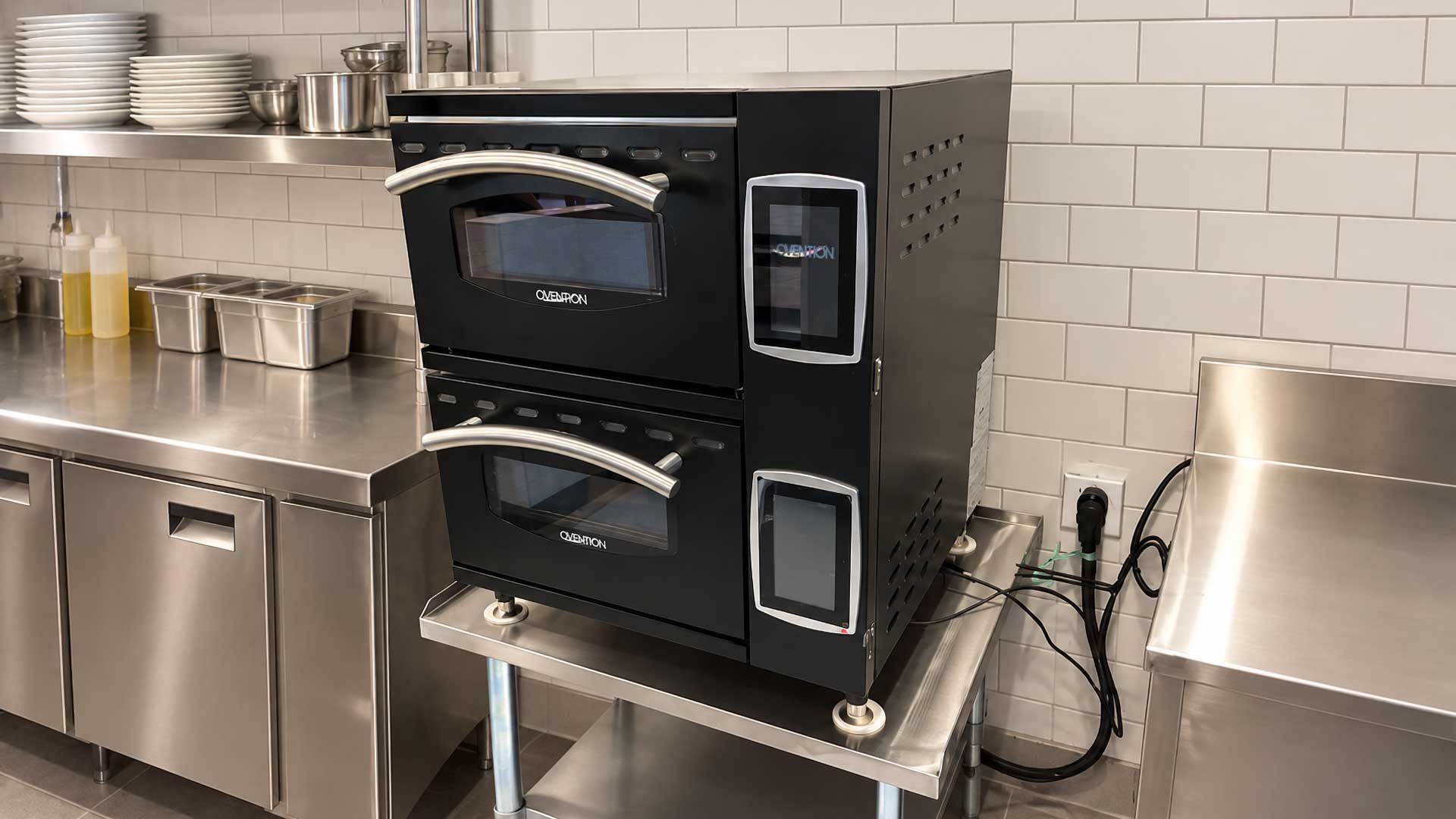
In a busy foodservice operation, an oven has to handle more than what’s cooking inside it. Its exterior lives in […]
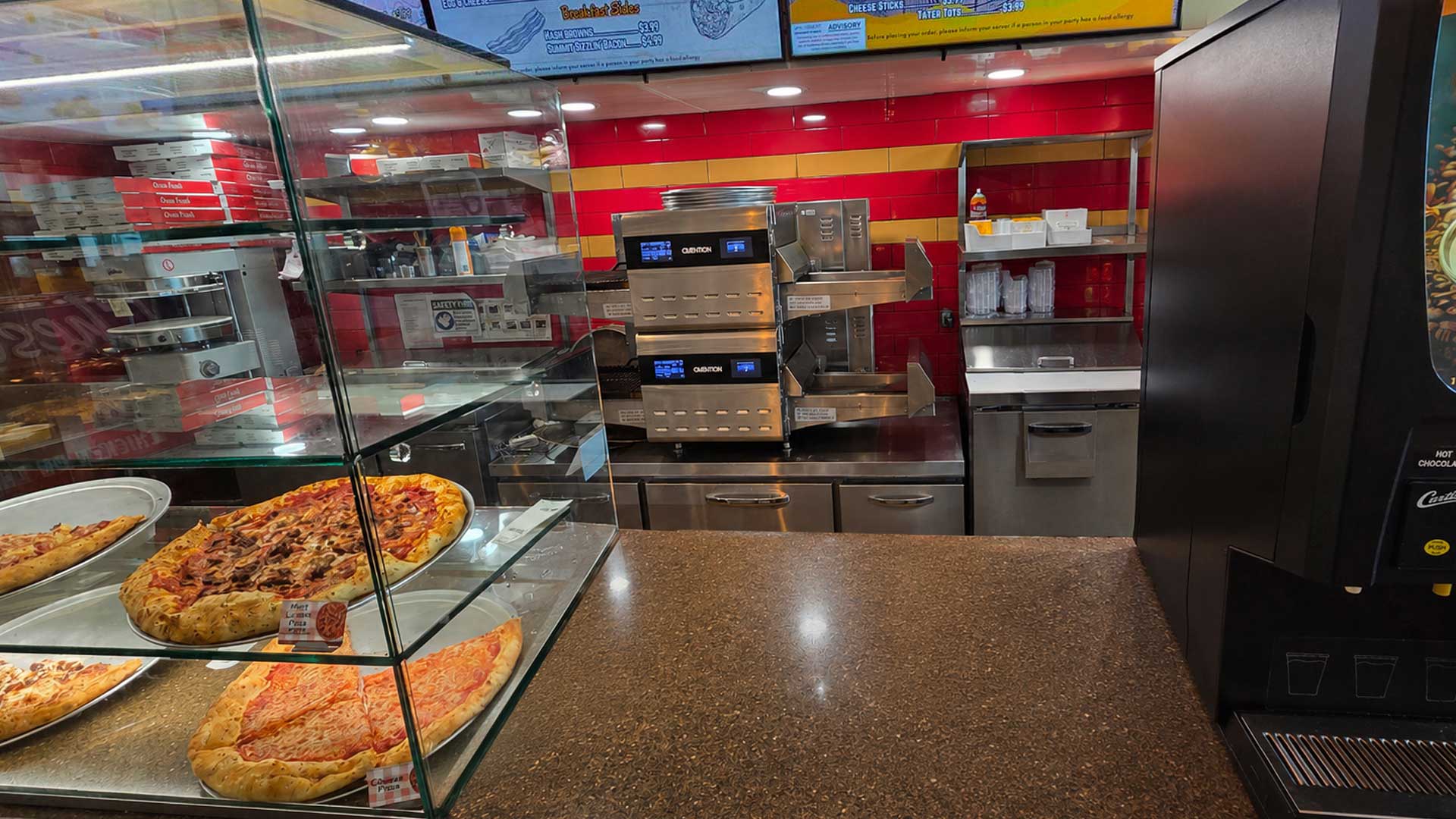
Great oven recommendations rarely begin with product specifications. They begin with curiosity. The most successful oven reps know that customers […]
Our goal is to partner with you to help you build your business. We will set up a demonstration that suits your needs, whether you want us to cook your current product, show you a range of new products, or do a side-by-side comparison with another oven we are ready to show you what Ovention can do.
Please complete ALL the fields below to schedule a demo.*
Scroll down to discover more
Experience an Ovention oven in action. We have test kitchens all across the country and representatives waiting to demonstrate our award-winning technology and ease of use. Contact us today to learn how one of our ovens can elevate your culinary versatility and build your business.

Cooked with Conveyor 2600/2000