
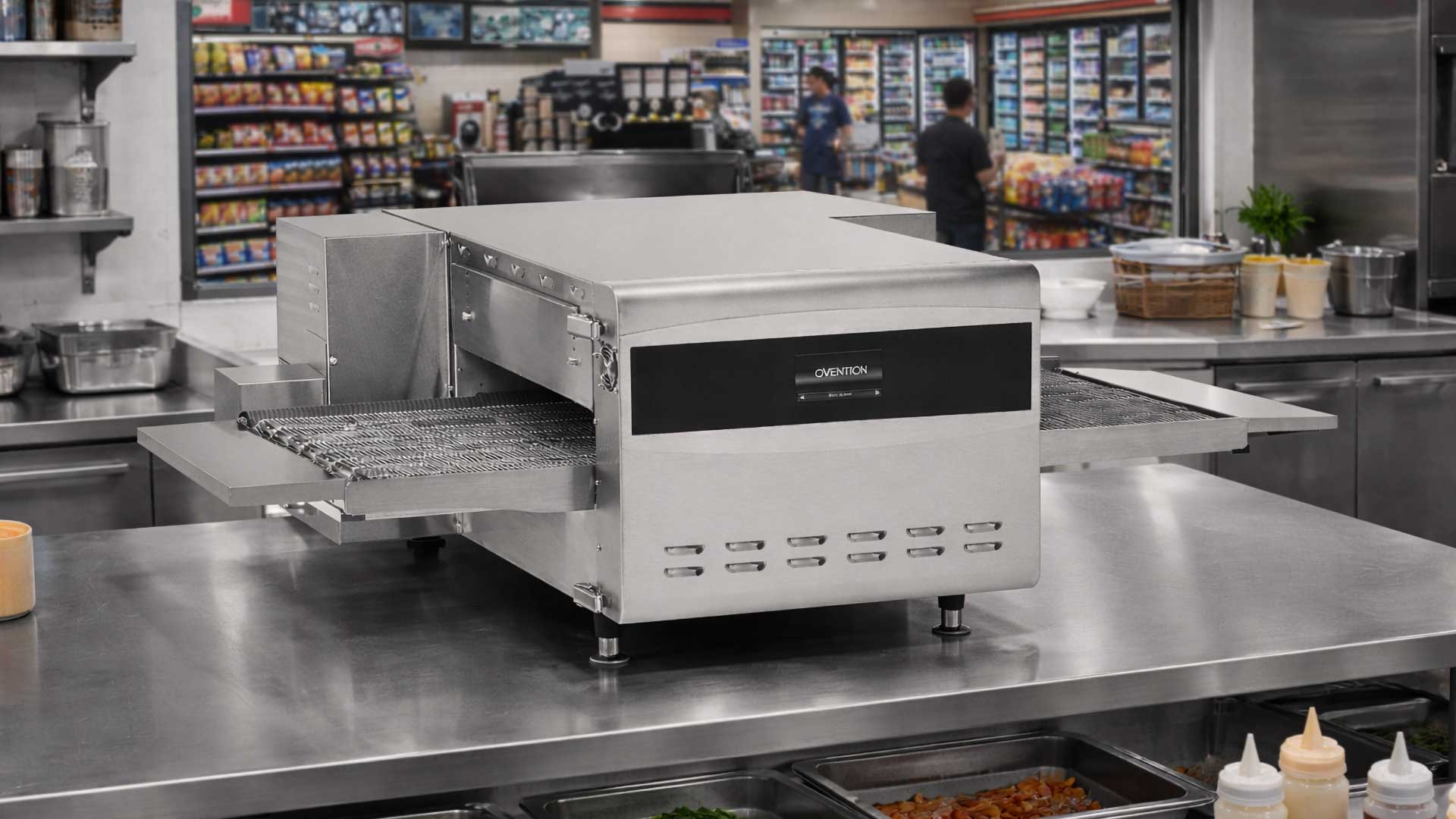


Ventless ovens have changed how operators think about kitchen design. Remove the traditional hood requirement, and suddenly you’re not locked into one fixed production zone.
That kind of flexibility is powerful. It also comes with assumptions.
Let’s walk through the misconceptions we hear most often, and what actually drives performance, compliance, and capacity in a ventless kitchen.
If there’s no hood overhead, the oven must not be producing serious heat.
A hood only captures exhaust. What determines an oven’s power is how heat is generated, directed, and recovered inside the oven cavity.
Hoods aren’t an indicator of heating performance.
With Precision Impingement® technology, Ovention directs high-velocity streams of heated air directly at the food surface, accelerating heat transfer compared to traditional hooded ovens. The focused airflow works harder, reducing overall cook times and allowing the oven to quickly handle batch after batch without losing intensity. That performance doesn’t require venting heat away through a hood system. Instead, Ovention is all about applying heat with intention.
It’s probably fine for light service, but it won’t keep up when we’re slammed.
Throughput comes down to cook time, airflow design, and heat recovery. When heat rebounds quickly between loads, the oven keeps pace with the rush.
Quick recovery keeps throughput moving and capacity high.
Engineered airflow allows Ovention ovens to recover efficiently instead of slowing down under pressure. That recovery speed directly impacts how many items you can produce per hour.
For a look at what that could mean in your kitchen, check out our Pizza Per Hour Calculator for projected pie production by model. Pizza is used as a benchmark, but the takeaway is broader: throughput follows cook time. And Ovention is fast.
Ventless is more of a kiosk or satellite solution.
Yes, ventless ovens are a fantastic way to handle space constraints. But in practice, they’re used across fast-casual concepts, campus dining, c-stores, and multi-unit restaurants looking to fine-tune workflow without major construction. They can be an asset in any kitchen, not just small ones.
Ventless is a layout advantage that unlocks space anywhere.
When hood placement isn’t dictating your floor plan, you gain flexibility. Production can move closer to service, flow improves, and square footage works harder.
If you are dealing with a limited kitchen area, several Ovention models are stackable with the appropriate configuration, so you can easily add capacity vertically without increasing your footprint.
Great! We can just drop it wherever we can find a little space.
Ventless technology gives you flexibility. It doesn’t eliminate planning.
You’re no longer locked into hood-required zones, but proper clearances still matter for heat management. Electrical capacity must support peak demand. And service access needs to be considered so filters and maintenance points remain easy to reach.
Placement still determines performance.
Before finalizing placement, review the oven’s technical specs and consult with your oven representative to confirm clearance, power, and installation requirements. A few early conversations ensure your oven performs safely, efficiently, and exactly as intended.
It probably won’t brown or crisp like I need.
This concern is about finish. Chefs want to know whether the crust will set, the surface will caramelize, and the texture will hold through service. Browning and crisping depend on how heat interacts with the food’s surface, not whether exhaust rises into a hood.
Texture develops at the surface.
With programmable recipes and focused airflow, operators can dial in color, crispness, and timing with precision. Directed heat allows the surface to develop properly while maintaining consistency.
When heat is controlled and programmed, perfect texture is repeatable, shift after shift.
I don’t want surprises when the inspector shows up.
Certified ventless ovens are tested under standards such as UL 710B, which evaluate how they manage grease-laden vapors and cooking emissions. These systems convert emissions into filtered air before returning it to the space, shifting emissions control from the hood system to the oven itself.
Ventless ovens are tested emissions-control systems.
Ventless certification applies to specific cooking conditions. Ventless ovens use internal filtration and emissions-control components that are well-suited for applications like flatbreads, sandwiches, baked goods, and high-speed finishing. When heavier grease-producing items enter the mix, a hooded option may still be required.
The key is alignment: matching your equipment to your menu, and certification to application.
For added confidence during planning and inspection, Ovention’s Literature Library includes model-specific ventless packets with certification and installation information ready to share.
Ventless ovens change how kitchens think about performance, placement, and production. When heat is applied intentionally and planning is deliberate, you gain flexibility in layout, confidence in throughput, and consistency in execution.
That’s smart equipment design built around how real kitchens run.
If you’re evaluating options, our guide on 4 Key Factors When Choosing a Ventless Oven walks through important considerations to help you make the right decision for your menu and your space.
Have questions about fit, configuration, or placement? Connect with your Ovention representative or schedule a demo to see how ventless performance can fit into your operation.
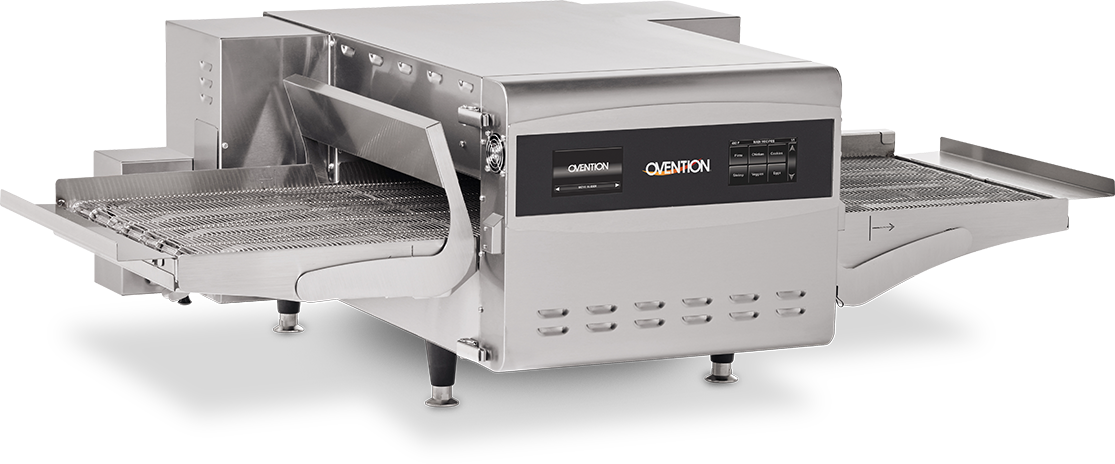
If you value precision and volume, Ovention has the perfect oven to fit your operation. The Shuttle sets the new standard for conveyor ovens everywhere. No other oven can operate as both a conveyor and a closed-cavity oven.
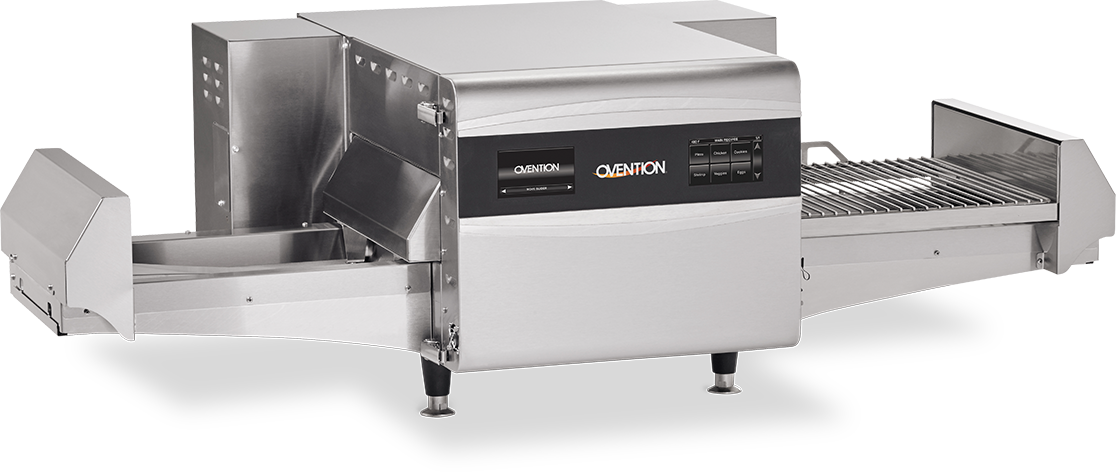
Cook a full menu of delicious offerings without an oven hood. The Ovention Matchbox 1718/1313 takes the traditional conveyor oven to a whole new level.
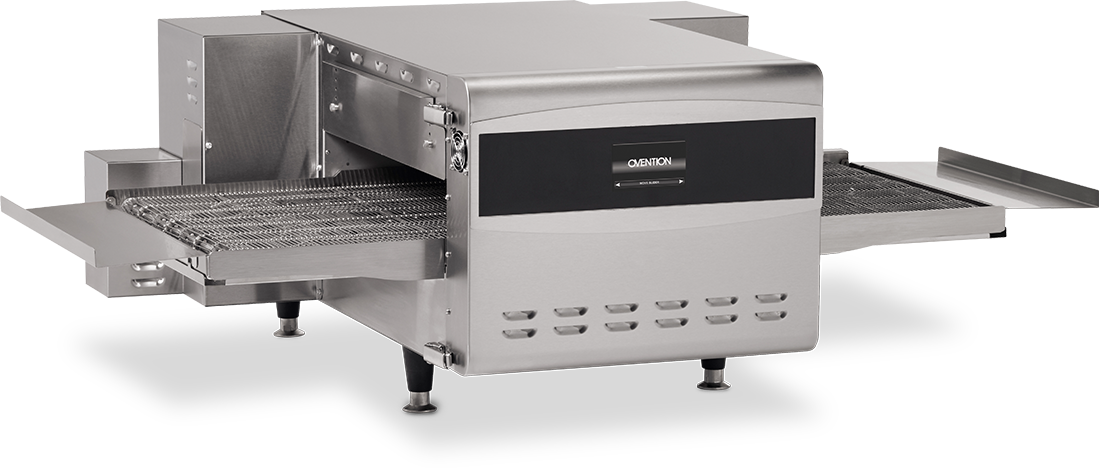
Simple, smart and the right fit for operators looking for a high-throughput conveyor oven. The Ovention Conveyor Oven is the most technologically elegant and operator-friendly conveyor on the market today.
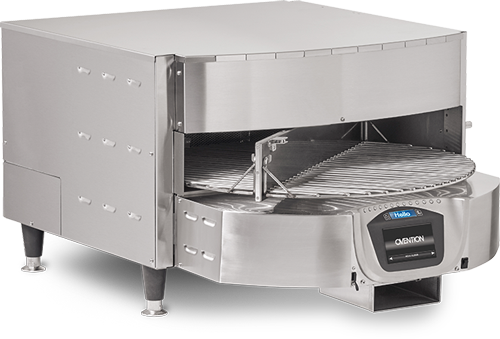
Cook a full menu better, faster, and easier. The Ovention Matchbox M360 has Precision Impingement® technology, a unique cooking carousel, and a small footprint, making it the perfect fit for any operation.
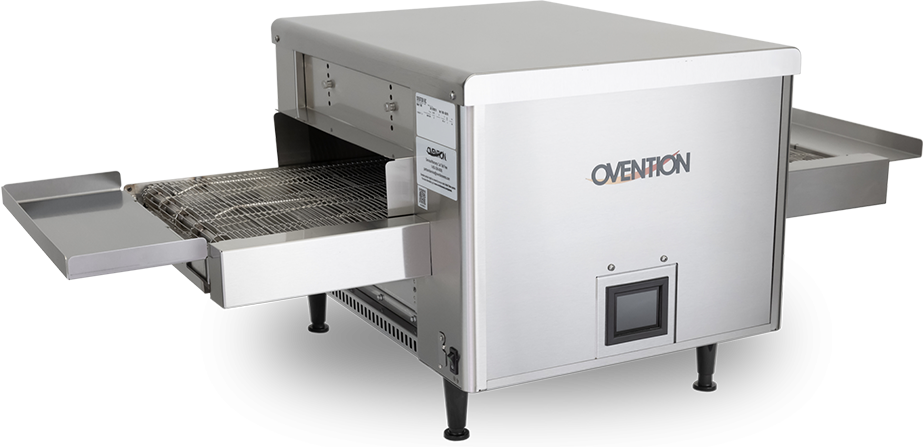
Finish your plates with ease and precision with this robust IR finishing conveyor. Melt, sear, toast, and finish to perfection with this operator-friendly, quiet conveyor.
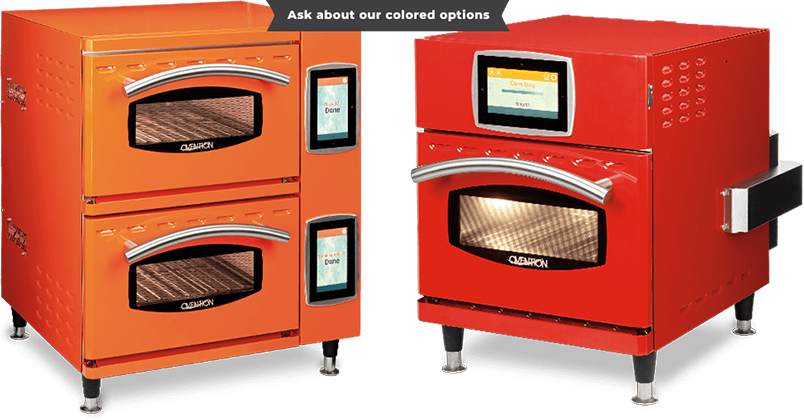
Revolutionary infusion of Linear Impingement and Infrared (IR) technologies. Independently controlled top and bottom cavities, each with its own interior light and control panel.
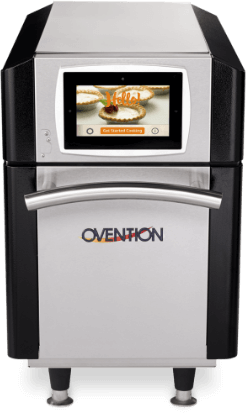
Introducing MiSA; Microwave Speed Assist. Higher quality, higher speed, smaller footprint.
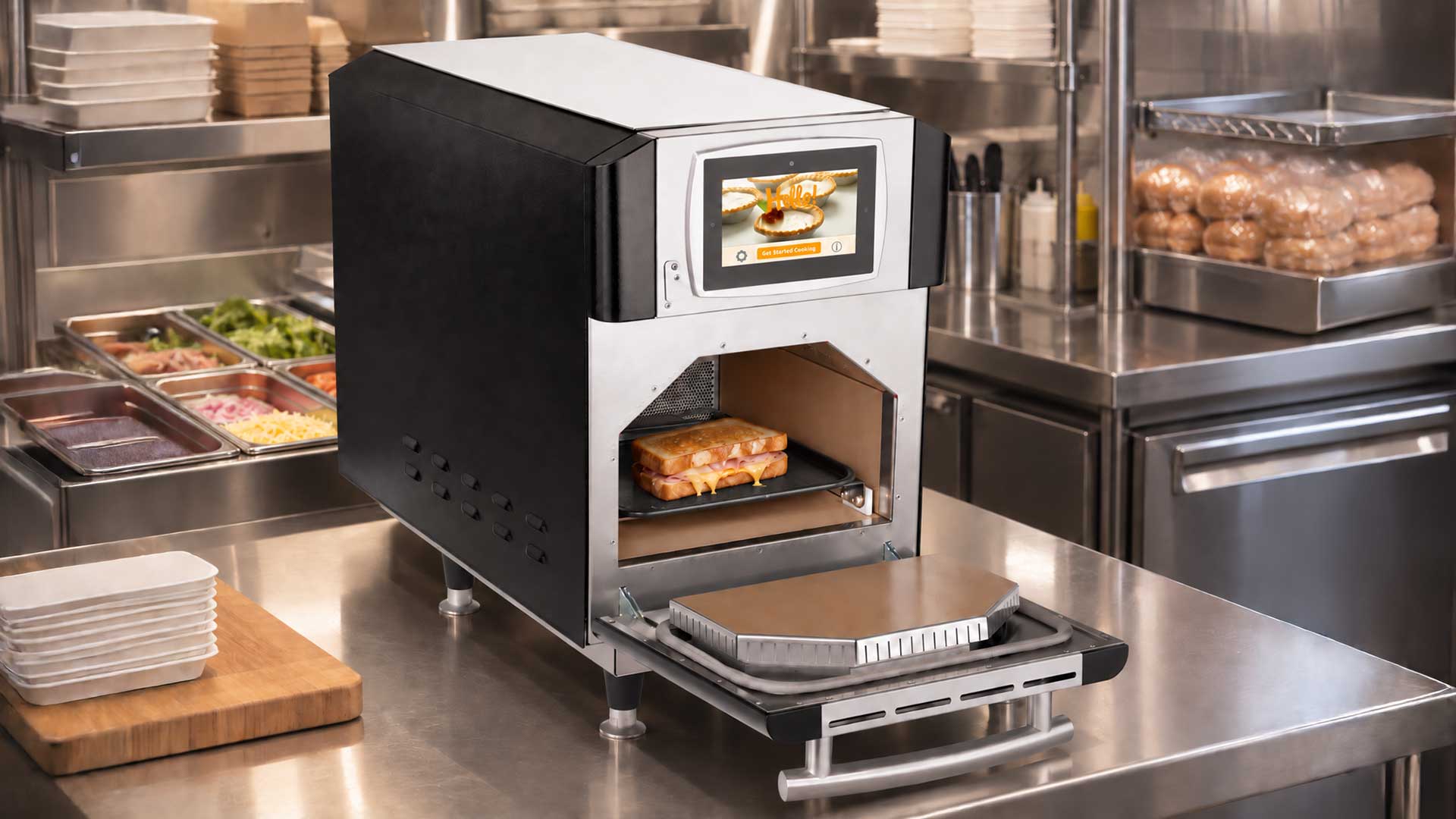
A few extra minutes in the oven may not sound expensive. Multiply those minutes by dozens or hundreds of orders […]
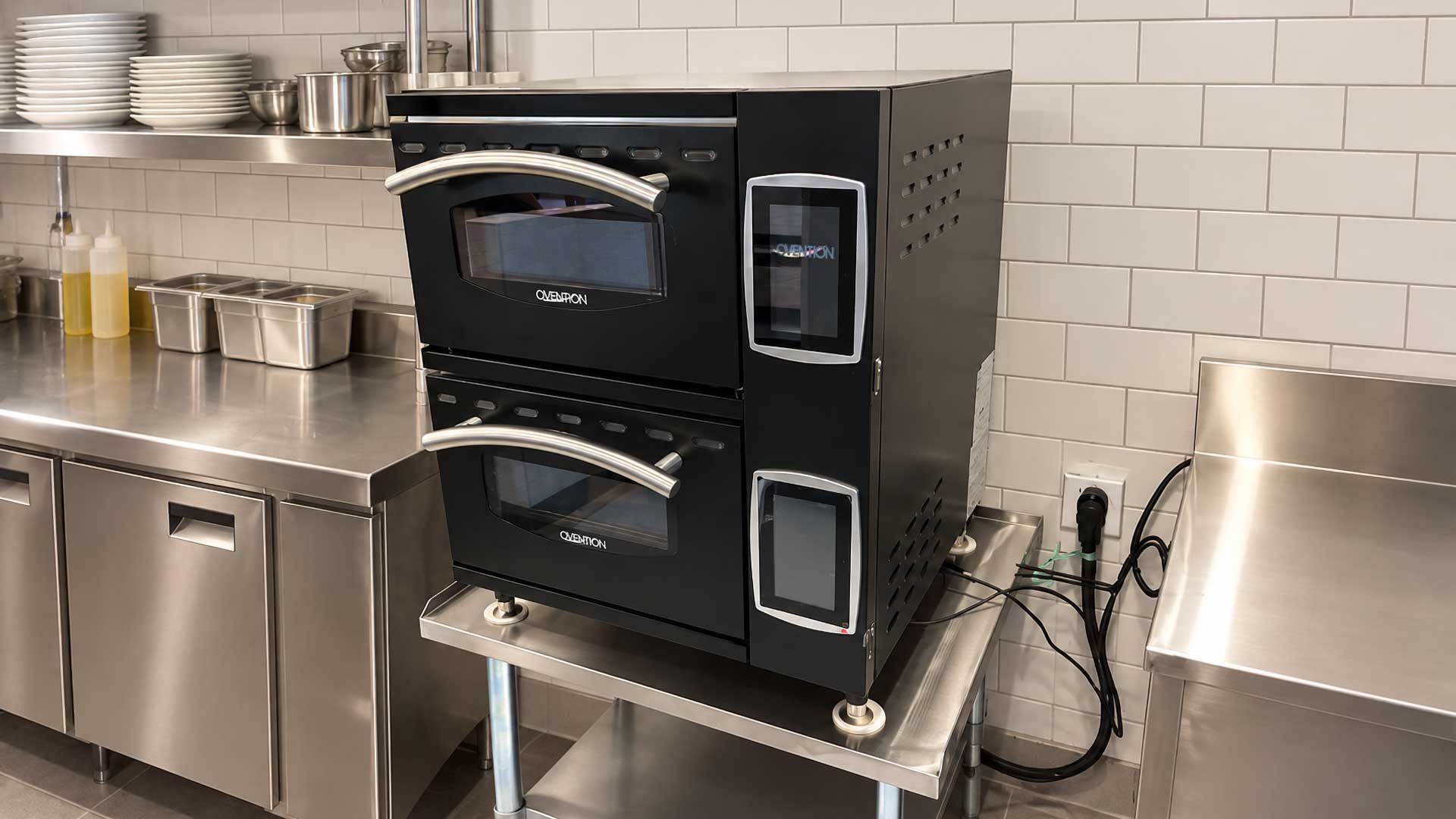
In a busy foodservice operation, an oven has to handle more than what’s cooking inside it. Its exterior lives in […]
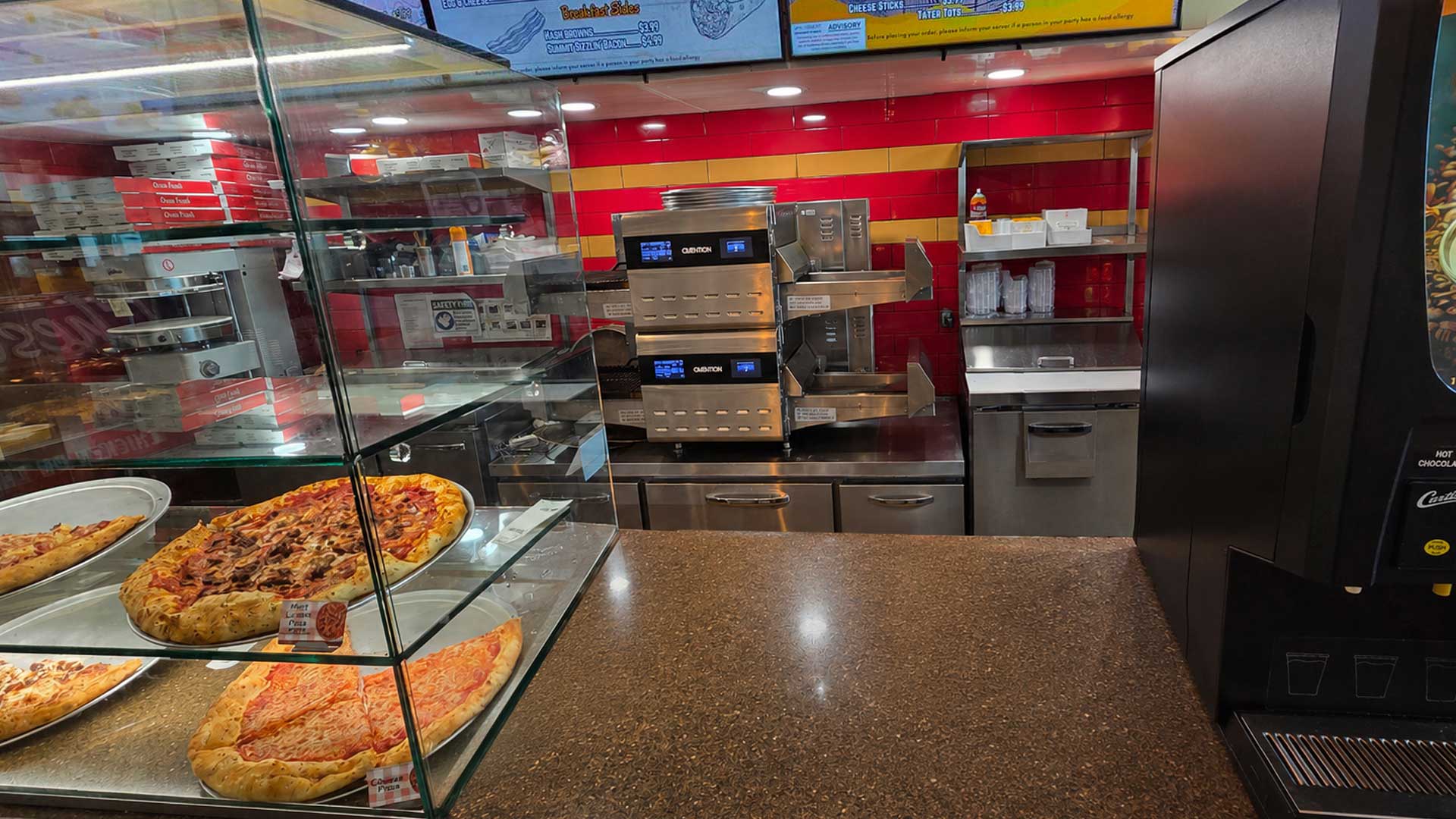
Great oven recommendations rarely begin with product specifications. They begin with curiosity. The most successful oven reps know that customers […]
Our goal is to partner with you to help you build your business. We will set up a demonstration that suits your needs, whether you want us to cook your current product, show you a range of new products, or do a side-by-side comparison with another oven we are ready to show you what Ovention can do.
Please complete ALL the fields below to schedule a demo.*
Scroll down to discover more
Experience an Ovention oven in action. We have test kitchens all across the country and representatives waiting to demonstrate our award-winning technology and ease of use. Contact us today to learn how one of our ovens can elevate your culinary versatility and build your business.
Cooked with Conveyor 2600/2000