


What if your kitchen could predict tomorrow’s prep needs, spot food waste you didn’t know existed, or catch developing equipment issues before they can disrupt service?
These aren’t future capabilities: they’re real ways that automation is already helping kitchen teams work smarter, reduce costs, and stay ahead of everyday challenges.
From ovens that automatically control cooking conditions to robots handling routine tasks, technology continues to open up exciting new possibilities for back-of-house operations.
Let’s look at what’s changing in today’s commercial kitchens.
How many portions of roasted vegetables will you need for tomorrow’s lunch service? Prepare too many, and you risk waste. Too few, and you’re scrambling to catch up.
AI-powered forecasting tools are helping kitchens make those decisions with more precision.
Rather than relying exclusively on past sales or a manager’s best estimate, these systems can combine historical demand, guest counts, consumption patterns, and food waste data to recommend how much of each menu item to prepare. The result is more accurate planning with less waste and fewer last-minute panics.
Food preparation can demand considerable hands-on labor, whether it’s performing the same task repeatedly, shift after shift, or managing an entire production process. Robotics offers operators new ways to reduce that labor, from supporting kitchen staff to enabling highly automated foodservice concepts.
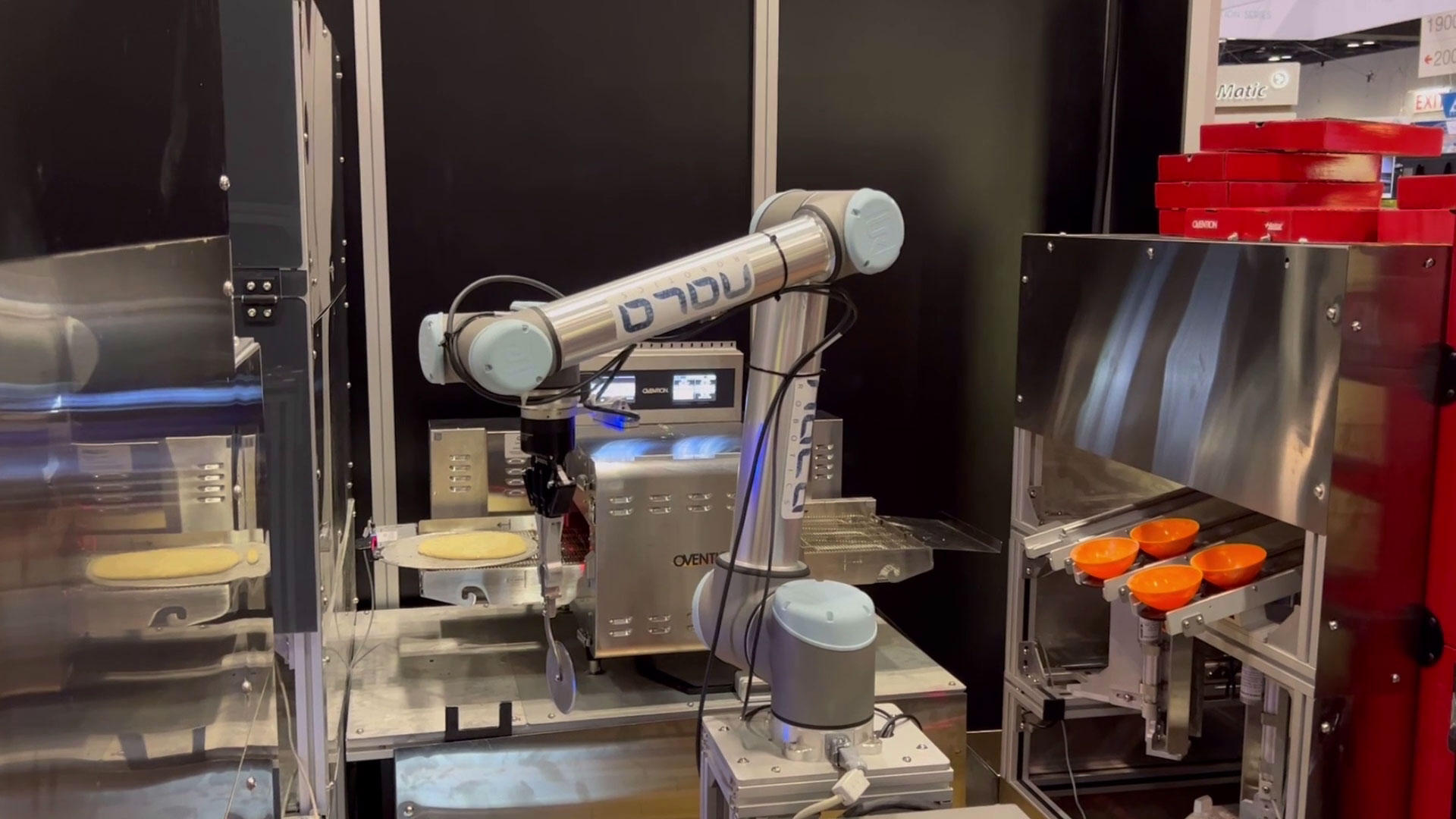
Robotic systems can handle individual tasks, like lowering and lifting fry baskets during cooking, or automate entire food preparation processes, like the fully automated Donatos Pizza kiosk at Columbus’ John Glenn International Airport. Developed through a partnership between Donatos Pizza, Appetronix, and Ovention, the kiosk uses robotic arms to assemble pizzas, move them in and out of the Ovention oven, and handle finishing steps. The system streamlines pizza preparation with greater speed, precision, and consistency.
These systems are still specialized investments, and their value depends on production volume, available space, and costs. For the right application, however, they offer a way to increase production capacity without a corresponding increase in hands-on labor.
A flatbread shouldn’t turn out differently depending on who’s working the oven. But during a busy shift, it’s easy for cooking times, temperatures, and results to vary.
Programmable ovens reduce that variability by storing established cooking parameters for individual menu items.
The Ovention Shuttle and Matchbox ovens, for example, allow operators to program cooking time, temperature, and top and bottom blower speeds for each recipe. Their patented dual auto-load and unload capability also reduces the amount of active attention required during cooking.
Regardless of their experience, kitchen staff can simply select a programmed recipe on the oven and move on to preparing the next order. That simplicity is especially valuable during staff transitions, busy service periods, and training.
Catching Problems Before They Become Costly
A walk-in cooler doesn’t wait for someone to notice a problem before its temperature starts rising. By the time an employee discovers an issue during a scheduled check, valuable inventory may already be at risk.
Automated monitoring systems can provide an earlier warning.
Wireless temperature sensors can track refrigeration conditions continuously and send alerts when readings move outside established limits. That gives staff an opportunity to investigate before a problem escalates.
Automation has also extended into equipment diagnostics. All Ovention ovens include built-in self-diagnostics, while MiSA and MiLO ovens offer an additional Auto Checkup feature for monitoring oven components and performance. These built-in tools give operators another way to assess equipment condition and identify potential problems that may need attention.
Equipment monitoring technologies add a reassuring layer of oversight, helping operators protect equipment and inventory while minimizing potential service disruptions.
Kitchens track their food costs, but knowing exactly what’s being discarded, and why, can be another matter. AI-powered food waste tracking systems can help uncover those patterns.
Some systems use cameras and scales to identify discarded foods, measure quantities, and automatically record the results. Over time, that information reveals where waste occurs most frequently and which adjustments could make the greatest difference.
For instance, a cafeteria may routinely prepare an extra pan of pasta for the lunch rush. If automated tracking reveals that most of that final pan gets discarded, the team can adjust production or switch to smaller batches later in service.
What once looked like an unavoidable cost of doing business becomes a specific, measurable problem the kitchen can address.
The possibilities are expanding, but the most valuable technologies are those that solve problems your team faces every day.
Start with the tasks that consume the most time, create the most inconsistency, or generate avoidable costs. Consider how frequently those challenges arise, how they affect your operation, and whether automation could deliver measurable improvements in productivity, food quality, or operating costs.
As technology continues to evolve, automation is opening up new opportunities for greater precision, consistency, and efficiency in the kitchen. By choosing solutions that address real operational needs, you can give your team more control over daily workflows and more time to focus on what matters most: preparing great food and serving guests.
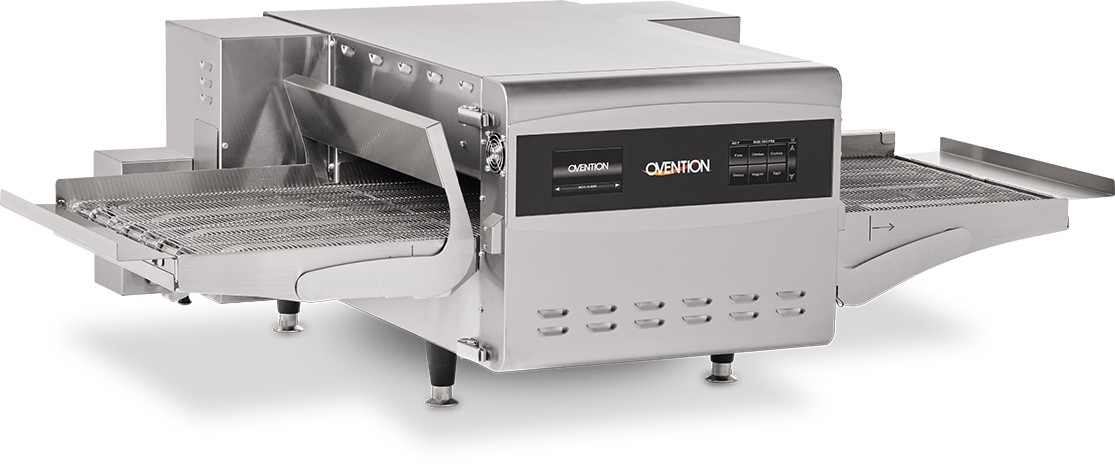
If you value precision and volume, Ovention has the perfect oven to fit your operation. The Shuttle sets the new standard for conveyor ovens everywhere. No other oven can operate as both a conveyor and a closed-cavity oven.
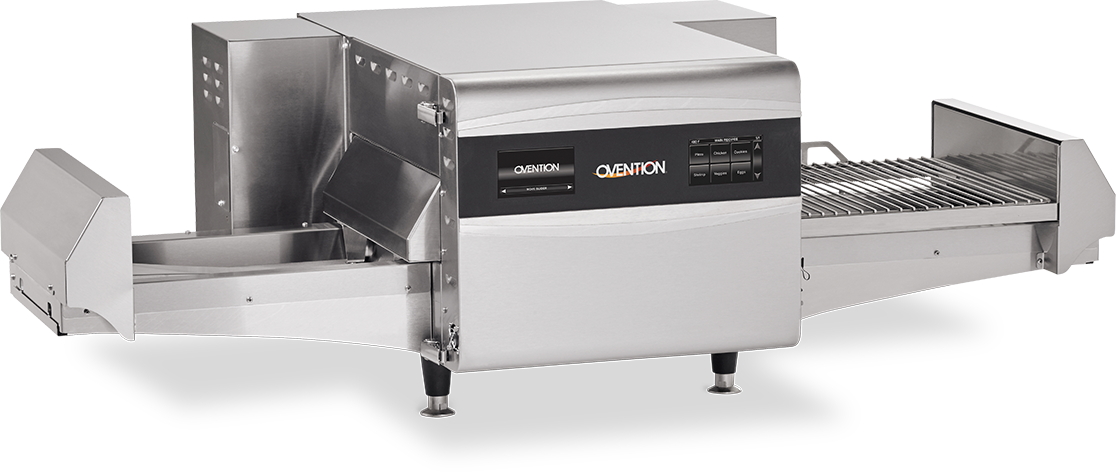
Cook a full menu of delicious offerings without an oven hood. The Ovention Matchbox 1718/1313 takes the traditional conveyor oven to a whole new level.
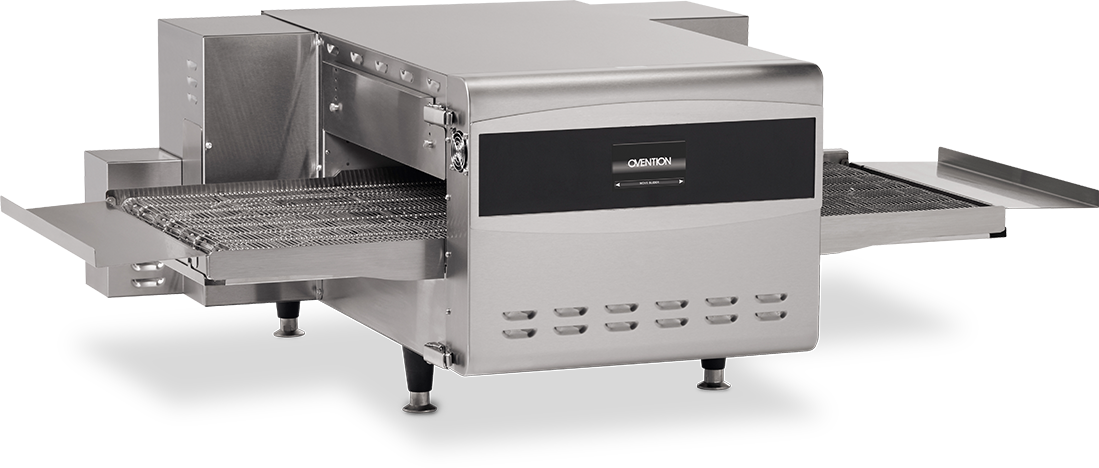
Simple, smart and the right fit for operators looking for a high-throughput conveyor oven. The Ovention Conveyor Oven is the most technologically elegant and operator-friendly conveyor on the market today.
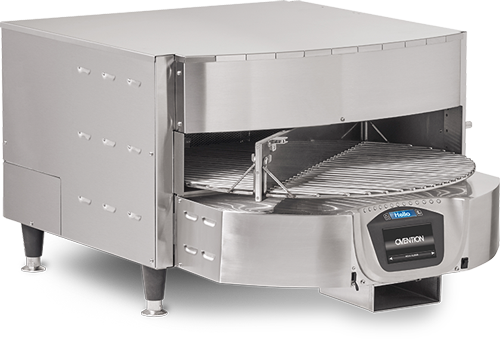
Cook a full menu better, faster, and easier. The Ovention Matchbox M360 has Precision Impingement® technology, a unique cooking carousel, and a small footprint, making it the perfect fit for any operation.
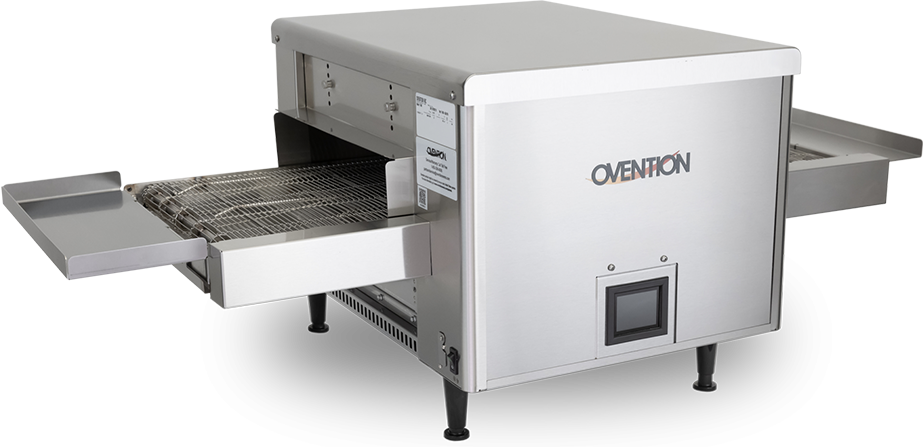
Finish your plates with ease and precision with this robust IR finishing conveyor. Melt, sear, toast, and finish to perfection with this operator-friendly, quiet conveyor.
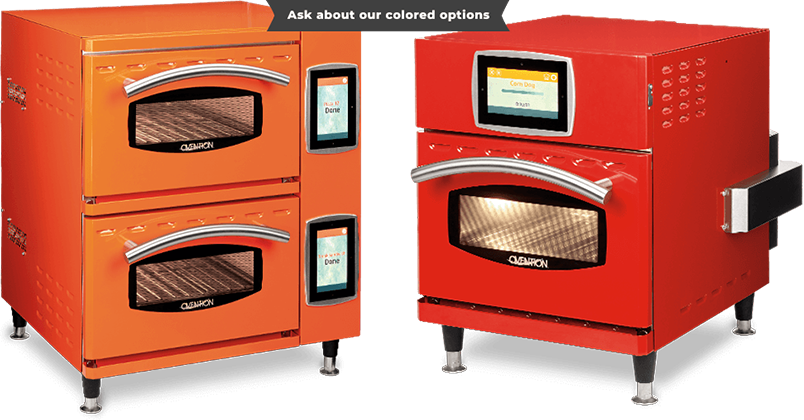
Revolutionary infusion of Linear Impingement and Infrared (IR) technologies. Independently controlled top and bottom cavities, each with its own interior light and control panel.
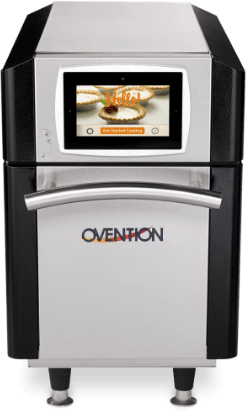
Introducing MiSA; Microwave Speed Assist. Higher quality, higher speed, smaller footprint.
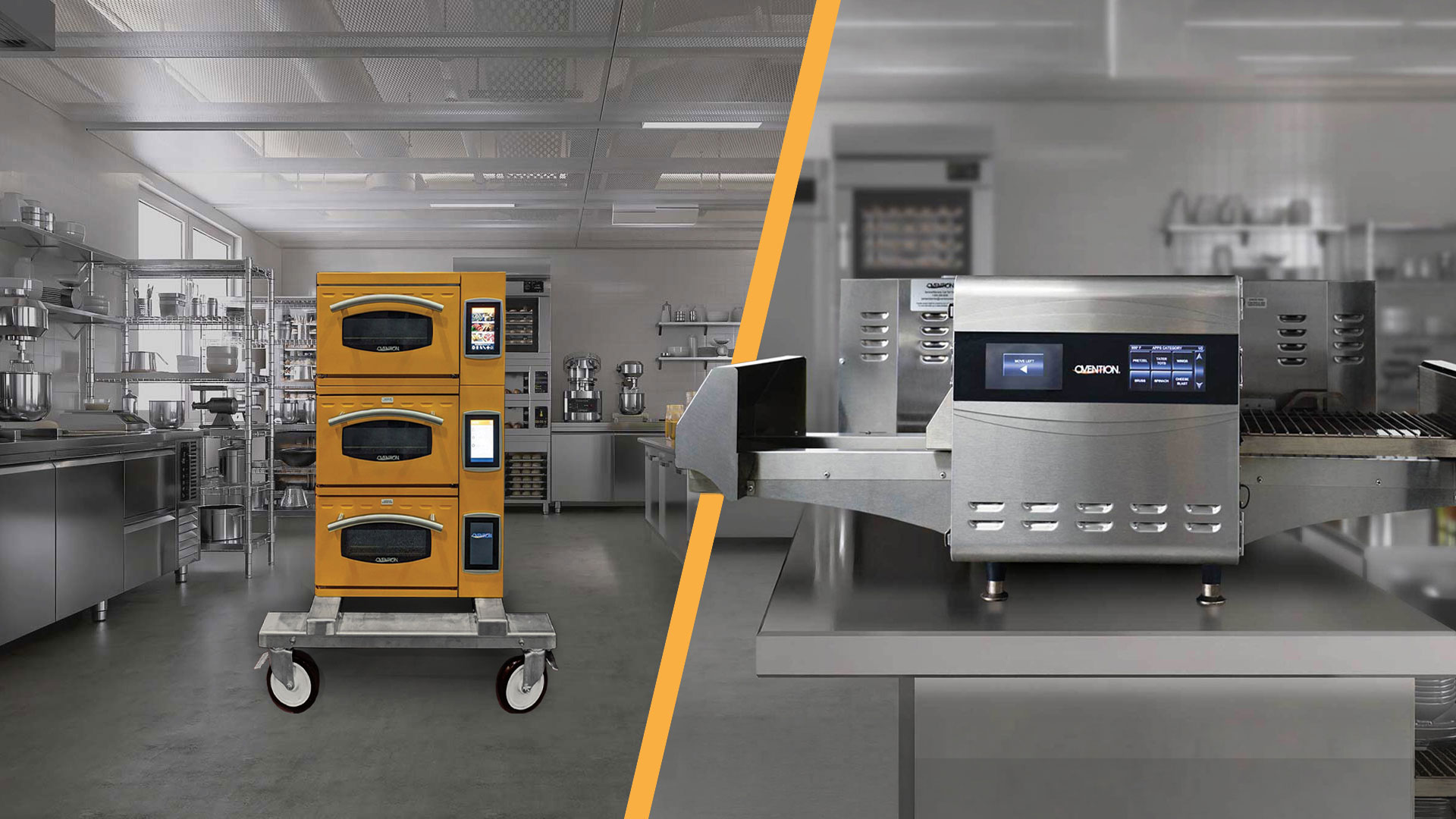
Choosing between a single-unit oven and a stackable configuration isn’t simply a matter of how much equipment you can fit […]
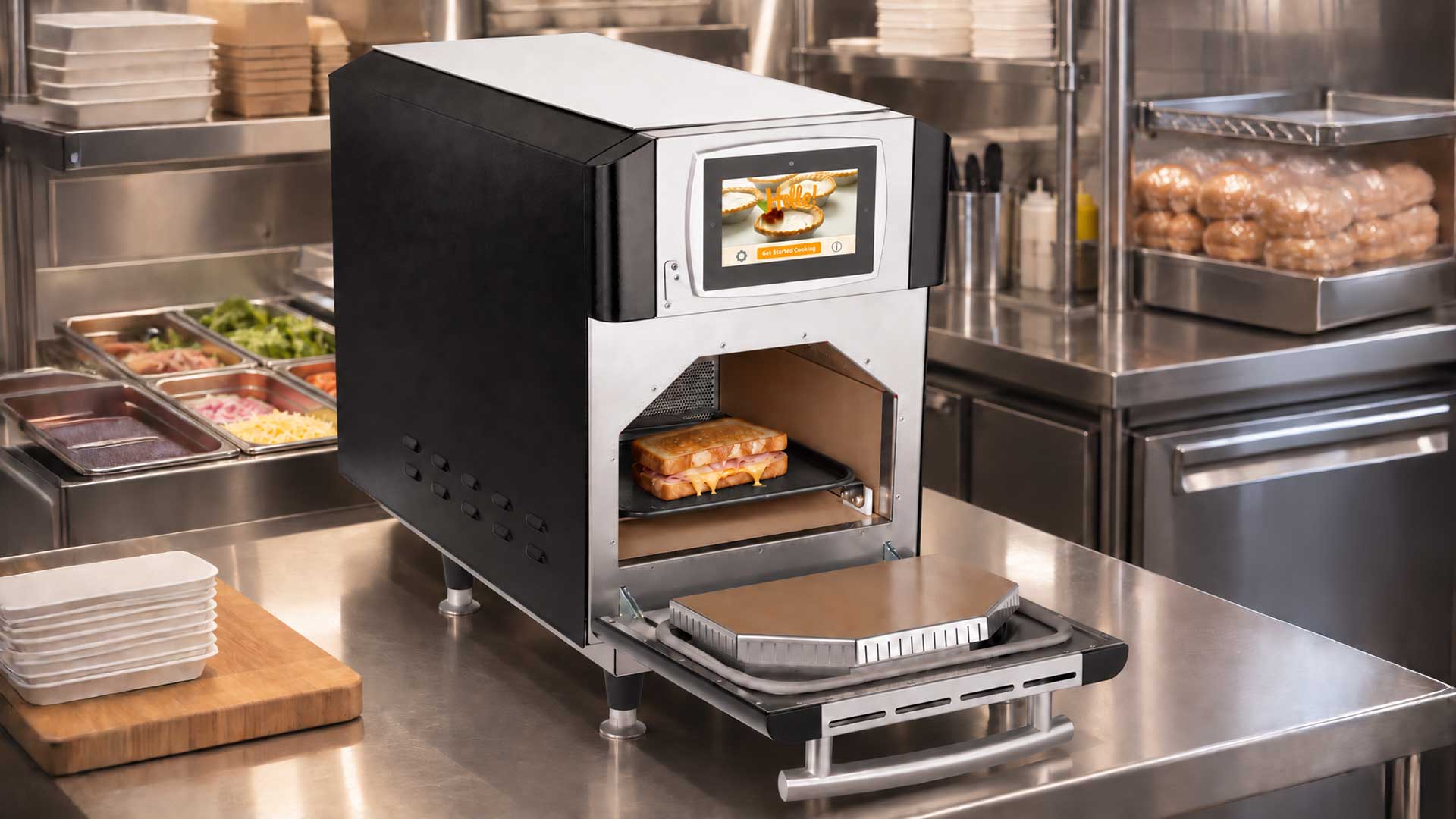
A few extra minutes in the oven may not sound expensive. Multiply those minutes by dozens or hundreds of orders […]
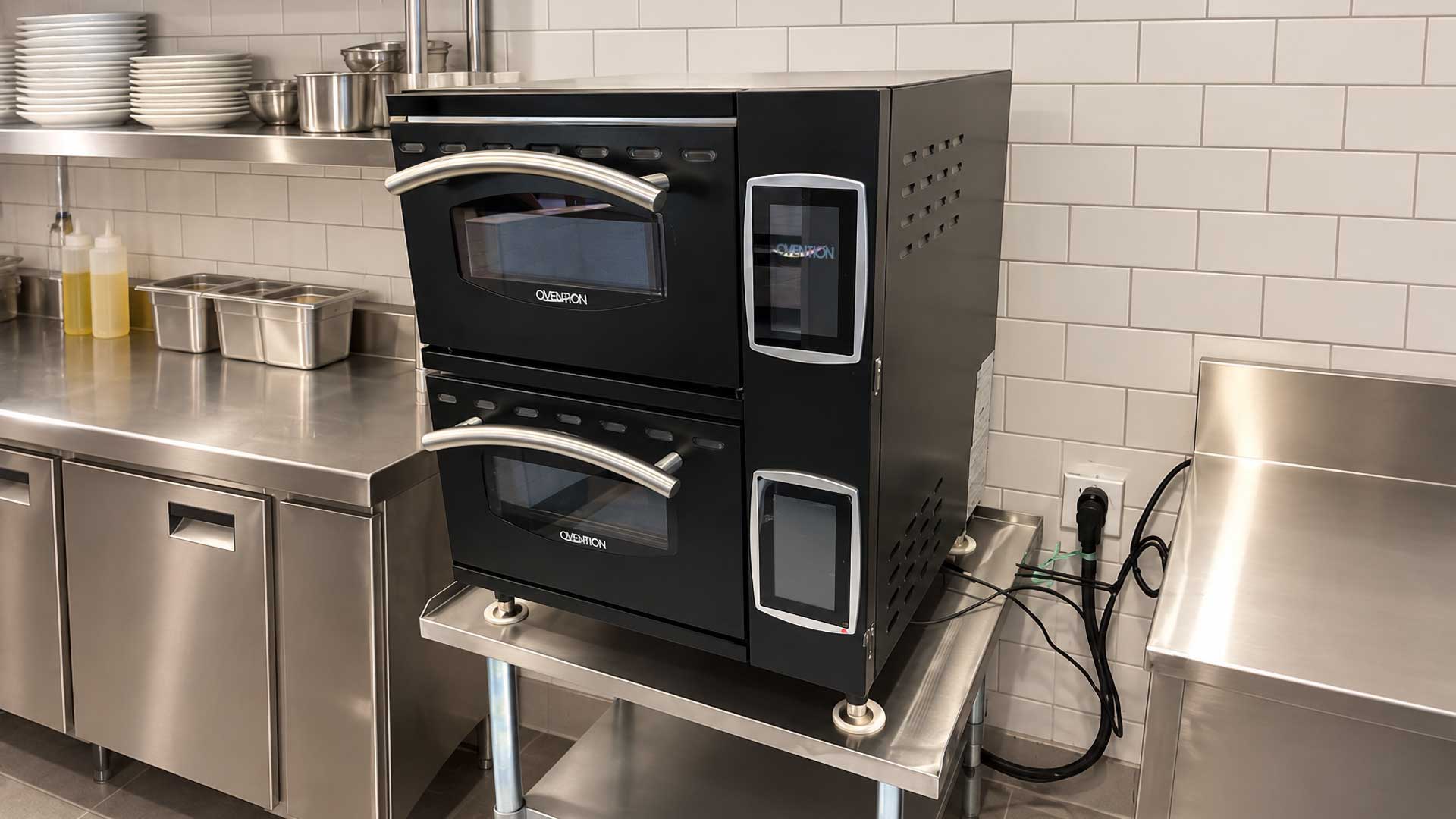
In a busy foodservice operation, an oven has to handle more than what’s cooking inside it. Its exterior lives in […]
Our goal is to partner with you to help you build your business. We will set up a demonstration that suits your needs, whether you want us to cook your current product, show you a range of new products, or do a side-by-side comparison with another oven we are ready to show you what Ovention can do.
Please complete ALL the fields below to schedule a demo.*
Scroll down to discover more
Experience an Ovention oven in action. We have test kitchens all across the country and representatives waiting to demonstrate our award-winning technology and ease of use. Contact us today to learn how one of our ovens can elevate your culinary versatility and build your business.
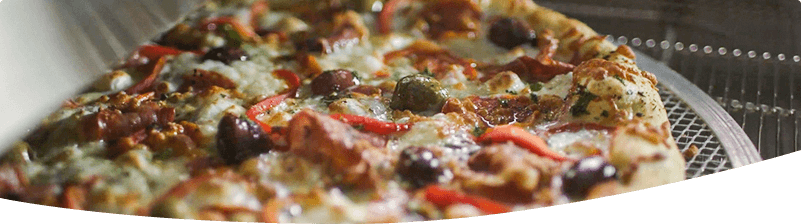
Cooked with Conveyor 2600/2000