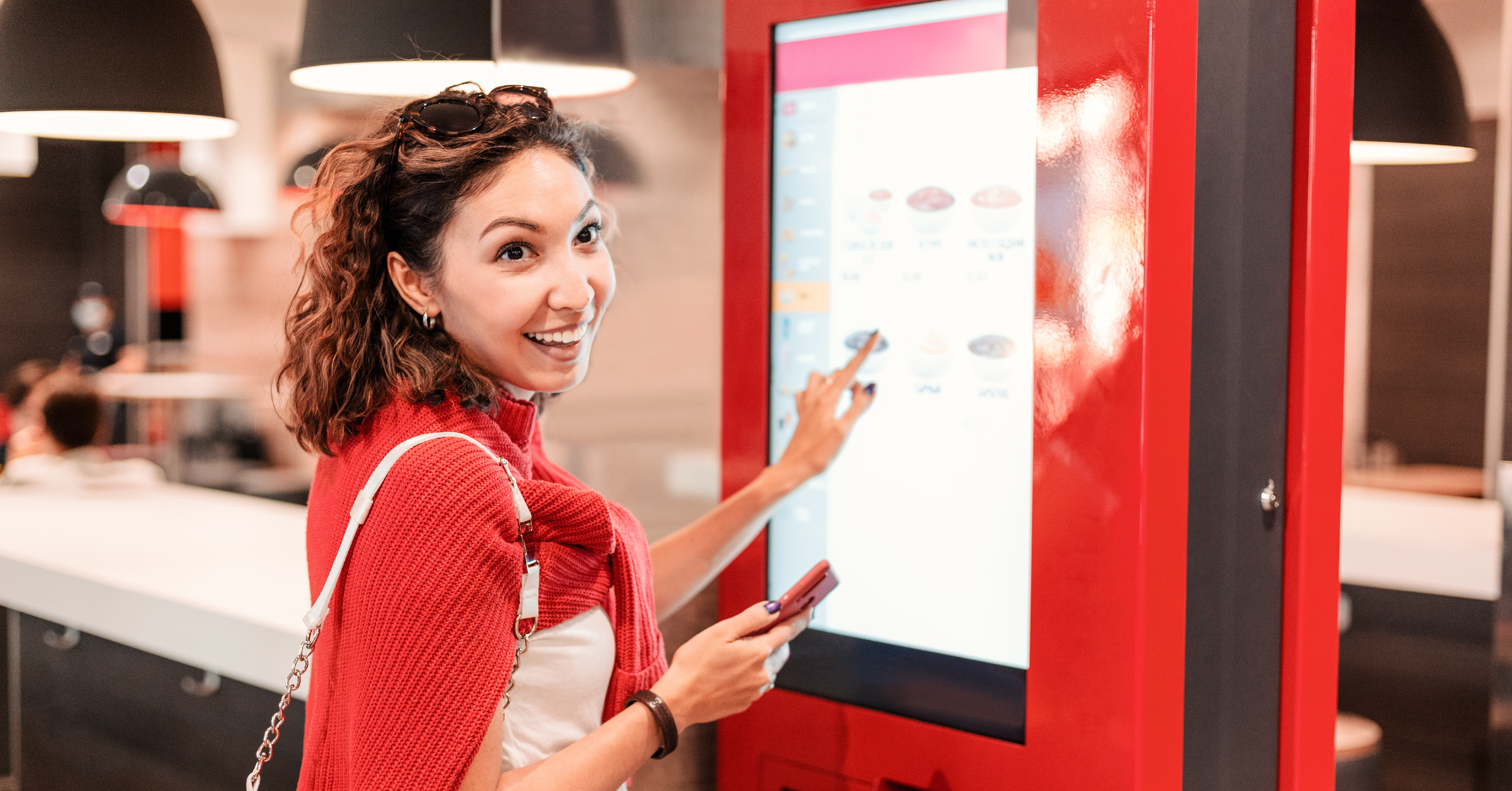
The restaurant industry is constantly evolving. Typically, those shifts have been subtle and center around the newest food fad or updated gadget, but the last year or so has brought a transformation in ordering and service unseen since the start of fast food. Contactless services and automated technology have been around for some time, but there is still a sweeping tech impact on the entire foodservice industry.
Today, technology-driven foodservice operations are becoming even more mainstream. The tech world moves quickly, and staying on top of the latest trends is essential for all operations to keep a competitive advantage. This post will explore some of the latest tech advancements and how they affect customers and operations alike.
How CasinosNeteller Explains Neteller’s Role in New Zealand Online Gambling
New Zealand’s online gambling landscape has undergone considerable transformation over the past two decades, shaped by shifting regulatory frameworks, evolving player preferences, and the emergence of payment processors capable of bridging the gap between international operators and domestic users. Among those processors, Neteller has occupied a particularly consistent position, functioning not merely as a transactional tool but as a structural component of how New Zealand players access and manage funds across offshore gambling platforms. Understanding Neteller’s role in this specific market requires looking beyond surface-level descriptions of how e-wallets work and engaging with the regulatory context, the historical trajectory of the service, and the practical realities faced by players operating under New Zealand’s somewhat unusual legal arrangements.
New Zealand’s Regulatory Framework and Why It Creates Space for Neteller
New Zealand’s approach to online gambling is governed primarily by the Gambling Act 2003, a piece of legislation that was drafted before the full implications of internet-based gaming were widely understood. The Act effectively prohibits the operation of online casinos from within New Zealand but contains no explicit prohibition on New Zealand residents placing wagers with offshore operators. This distinction — between operating and participating — has created a legal grey zone that has persisted for over two decades without meaningful legislative resolution. The Department of Internal Affairs, which oversees gambling regulation domestically, has acknowledged this ambiguity on multiple occasions but successive governments have declined to introduce comprehensive reform targeting offshore participation.
The practical consequence of this framework is that a large proportion of New Zealand’s online gambling activity occurs with operators licensed in jurisdictions such as Malta, Gibraltar, Curaçao, and the Isle of Man. These operators are not subject to New Zealand regulatory oversight, which means player protections, responsible gambling mechanisms, and dispute resolution processes vary significantly depending on which licensing authority governs the platform in question. The Malta Gaming Authority, which issues licences under a framework substantially revised in 2018, is generally regarded as applying more rigorous standards than some of the smaller jurisdictions, but New Zealand players have no domestic regulator to appeal to if something goes wrong.
This regulatory architecture directly influences payment behaviour. Because New Zealand’s major banks — ANZ, ASB, BNZ, Westpac, and Kiwibank among them — have at various points implemented transaction filtering or outright blocking of payments to gambling merchants, players have sought alternative channels. Neteller emerged as a reliable intermediary precisely because it allows users to fund an e-wallet account through conventional banking methods and then direct those funds to gambling platforms without the transaction being categorised as a direct gambling payment at the bank level. The separation of the funding step from the gambling step has made Neteller functionally significant in markets like New Zealand where banking friction is a persistent feature of the landscape.
Neteller’s History and Its Specific Relevance to the New Zealand Market
Neteller was founded in Canada in 1999 and initially built its business model substantially around online gambling payments. By the mid-2000s it had become one of the dominant payment processors in the sector globally, processing billions of dollars annually and operating across dozens of markets. The company’s trajectory changed significantly following the passage of the Unlawful Internet Gambling Enforcement Act in the United States in 2006, which forced Neteller to exit the American market and led to the prosecution of its co-founders. The fallout from that period prompted the company to restructure its approach to gambling-related payments and to pursue a more diversified merchant base.
Neteller was acquired by Optimal Payments in 2015, which subsequently rebranded as Paysafe Group in 2016. Paysafe has grown into a substantial payments conglomerate that also owns Skrill, another e-wallet with significant gambling sector exposure, as well as the prepaid card product Paysafecard. The consolidation of these brands under a single corporate entity has had implications for how Neteller is positioned in different markets. In some regions, Skrill has become the more prominently marketed product while Neteller has been maintained as a parallel offering with a somewhat more established user base among longer-term online gamblers.
For New Zealand specifically, Neteller’s relevance has been sustained by a combination of factors. The platform supports the New Zealand dollar as an account currency, which eliminates currency conversion costs for players who fund their accounts in NZD and play at casinos that also accept NZD. Neteller’s fee structure, which charges a percentage on deposits into the e-wallet from certain funding sources, is a consideration players need to account for, but the absence of fees on transfers to gambling operators and on withdrawals from operators back to the Neteller account has made the overall cost profile acceptable to regular users. The platform also maintains a loyalty programme called Neteller VIP, which offers reduced fees and other benefits to high-volume users, a segment that includes a meaningful proportion of serious online gamblers.
Resources that track the intersection of payment methods and gambling platforms, such as www.casinos-neteller.com, reflect the ongoing demand among New Zealand players for structured information about which operators accept Neteller, what bonus terms apply to Neteller deposits, and how withdrawal timelines compare across platforms — details that matter considerably to players managing their gambling activity with any degree of seriousness.
How Neteller Functions Within the Deposit and Withdrawal Ecosystem
The mechanics of using Neteller for online gambling in New Zealand involve several distinct steps that are worth understanding in detail. A player first creates a Neteller account, which requires identity verification in accordance with the platform’s know-your-customer obligations under anti-money laundering regulations applicable in the United Kingdom, where Paysafe is regulated by the Financial Conduct Authority. This verification process typically involves submitting a government-issued identity document and proof of address. Once verified, the account can be funded through various methods including bank transfers, debit cards, and in some markets credit cards, though credit card funding for gambling-related purposes has been restricted in several jurisdictions following regulatory changes introduced around 2020.
Once funds are in the Neteller account, transferring to a casino takes seconds. The casino’s cashier interface will list Neteller as a payment option, and the player authenticates the transfer using their Neteller account ID and a secure ID code generated through the Neteller app or account interface. The funds appear in the casino account almost instantaneously in most cases, which compares favourably with bank transfer processing times that can take one to three business days. This speed advantage is particularly relevant for players who wish to respond quickly to promotional windows or who prefer not to maintain large balances within casino accounts.
Withdrawals from casinos back to Neteller are typically processed within twenty-four to seventy-two hours on the casino side, depending on the operator’s internal procedures and any pending verification requirements. Once the casino releases the funds, they appear in the Neteller account quickly. From the Neteller account, players can then withdraw to their bank account, which typically takes one to three business days for New Zealand accounts, or they can use the Neteller prepaid Mastercard, which allows direct spending from the Neteller balance. The card option is particularly useful for players who prefer to keep their gambling-related funds in a separate account structure from their primary banking.
One aspect of Neteller’s functionality that is sometimes overlooked is its role in responsible gambling management. Because Neteller functions as a distinct account with its own balance, players can effectively set an informal budget by only funding their Neteller account with a specific amount. This structural separation does not replace the responsible gambling tools offered by operators — deposit limits, cooling-off periods, self-exclusion mechanisms — but it adds a layer of friction that some players find helpful in maintaining spending discipline. Several operators that accept Neteller also offer enhanced bonus terms specifically for Neteller deposits, though players should be aware that some bonuses explicitly exclude e-wallet deposits from qualifying for welcome offers, a detail that requires careful reading of terms and conditions before making a first deposit.
CasinosNeteller and the Information Gap in New Zealand’s Gambling Market
The absence of a domestic regulatory framework for offshore gambling in New Zealand has a secondary consequence that is less frequently discussed: the absence of a centralised, authoritative source of information for players. In markets like the United Kingdom, the Gambling Commission’s public register and its licensing conditions create a baseline of transparency that players and researchers can reference. In New Zealand, players seeking to evaluate operators, payment methods, and their interactions are largely dependent on third-party information sources, which vary considerably in quality, accuracy, and independence.
CasinosNeteller operates within this information ecosystem as a resource focused specifically on the intersection of Neteller as a payment method and the online casino platforms that accept it. The site’s utility for New Zealand players lies in its aggregation of operator-specific information — which platforms accept Neteller deposits, what the minimum and maximum transaction limits are, whether Neteller deposits qualify for welcome bonuses, and what the withdrawal processing times look like in practice. This kind of granular, payment-method-specific information is not consistently available through operator websites themselves, which tend to present payment method information at a high level of generality.
The broader category of payment-method-focused gambling information resources reflects a genuine market need. Players who use Neteller as their primary funding method have specific questions that general casino review sites do not always answer thoroughly. Does the operator apply a fee on Neteller withdrawals? Is there a minimum withdrawal amount that differs from the minimum deposit? Are there any restrictions on withdrawing via Neteller if the initial deposit was made through a different method? These questions are operationally significant for regular players, and resources that address them with specificity serve a function that generic reviews do not.
It is worth noting that the quality of third-party gambling information resources varies substantially. Some sites maintain current and accurate information through regular auditing of operator terms and conditions, while others publish information that becomes outdated as operators revise their payment policies. New Zealand players should treat any third-party resource as a starting point for research rather than a definitive source, and should verify current terms directly with operators before making deposit decisions. This is particularly true for bonus-related information, as promotional terms change frequently and what was accurate at the time of publication may not reflect current offerings.
The regulatory environment in New Zealand also means that players have limited recourse if they encounter problems with an offshore operator. The absence of a domestic licensing requirement for offshore operators means that complaints cannot be escalated to a New Zealand regulatory body. Players are dependent on the operator’s own dispute resolution process and, where applicable, the alternative dispute resolution mechanisms associated with the operator’s offshore licence. Understanding which licensing jurisdiction governs an operator — and what that jurisdiction’s dispute resolution provisions look like — is a form of due diligence that New Zealand players are effectively required to perform independently.
Neteller’s position within this landscape is ultimately that of a payment intermediary that provides a degree of transaction security without providing any form of protection against operator conduct. Neteller does not arbitrate disputes between players and casinos, and funds transferred to a casino account are subject to the operator’s terms and conditions from that point forward. The e-wallet’s value is transactional and structural — it facilitates deposits and withdrawals efficiently, manages currency conversion, and provides a degree of separation between a player’s primary banking and their gambling activity — but it does not extend to guaranteeing the fairness or reliability of the platforms it connects users to.
New Zealand’s online gambling market is likely to face continued pressure for regulatory reform as the gap between the 2003 legislation and contemporary online gambling realities becomes increasingly difficult to ignore. Industry bodies, problem gambling advocates, and some political voices have periodically called for a licensing framework that would bring offshore operators under domestic oversight, potentially modelled on arrangements in place in Denmark, Sweden, or the United Kingdom. Whether such reform materialises and what implications it might have for payment processors like Neteller operating in the New Zealand market remains an open question. Any licensing framework that required operators to use only approved payment methods, or that imposed transaction reporting requirements, could alter the practical role that Neteller currently plays. For the time being, however, the existing framework leaves Neteller’s position in the New Zealand online gambling market largely undisturbed.
Understanding Neteller’s role in New Zealand’s online gambling ecosystem requires engaging with the specific regulatory, banking, and operational conditions that define that market. The platform’s persistence as a preferred payment method among New Zealand online gamblers is not accidental — it reflects a genuine alignment between the e-wallet’s capabilities and the practical challenges players face when attempting to fund offshore casino accounts efficiently and with reasonable cost. As the regulatory landscape evolves and as banking policies toward gambling transactions continue to shift, the precise contours of that role may change, but the underlying demand for reliable, efficient payment intermediation in a market characterised by regulatory ambiguity is unlikely to diminish.
Innovative and Automated Equipment
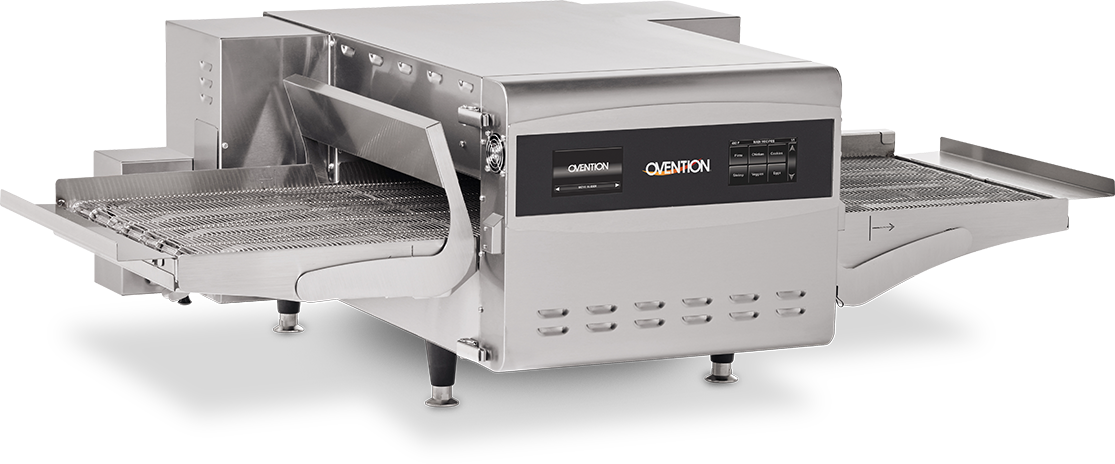
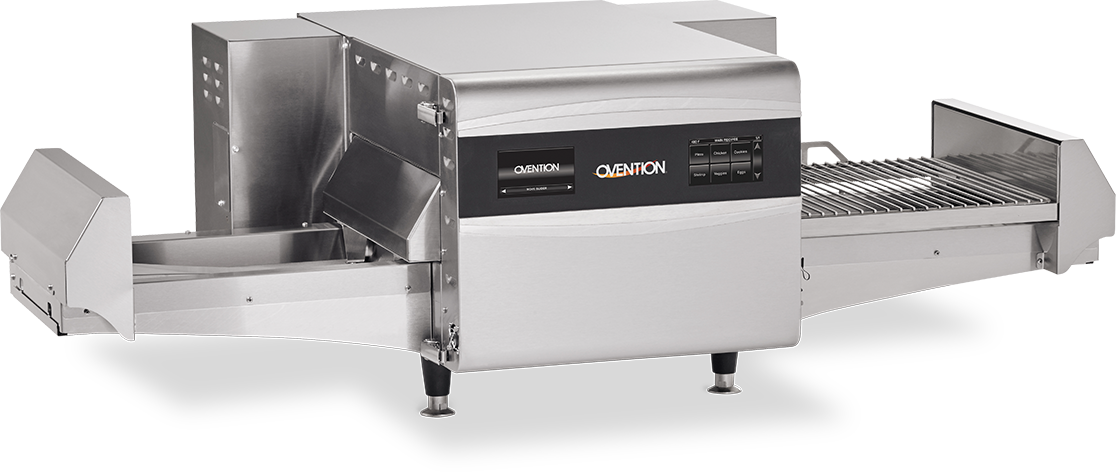
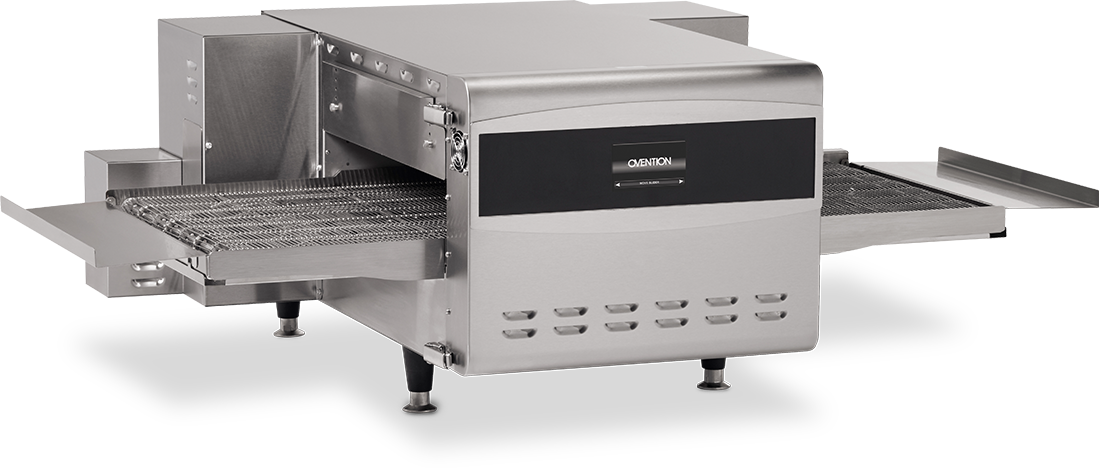
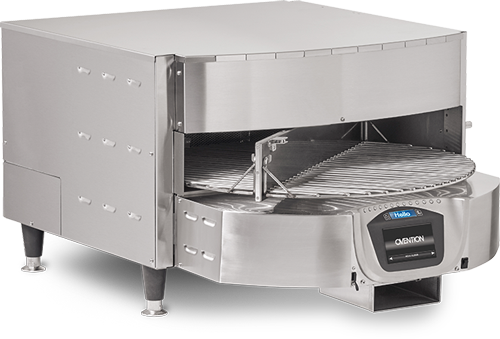
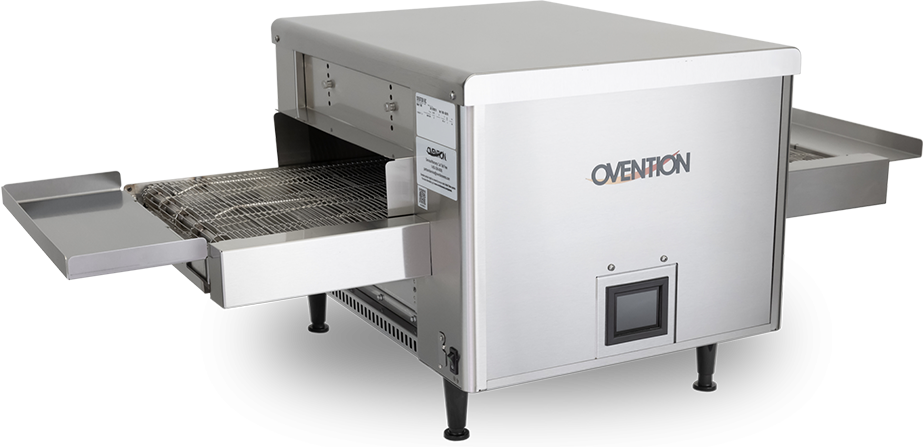
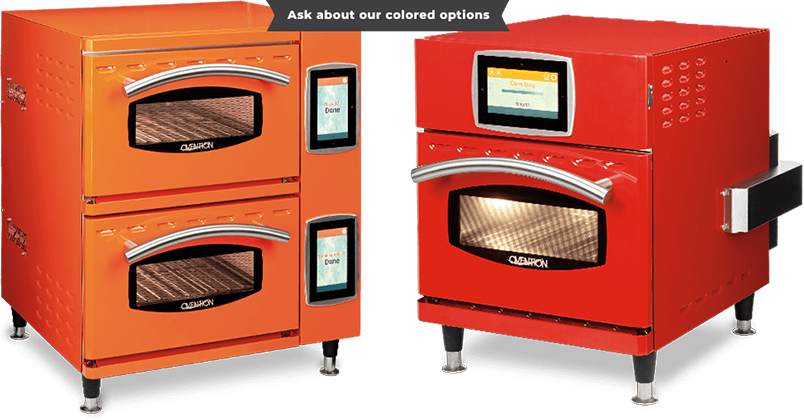
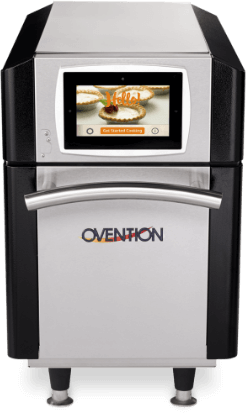
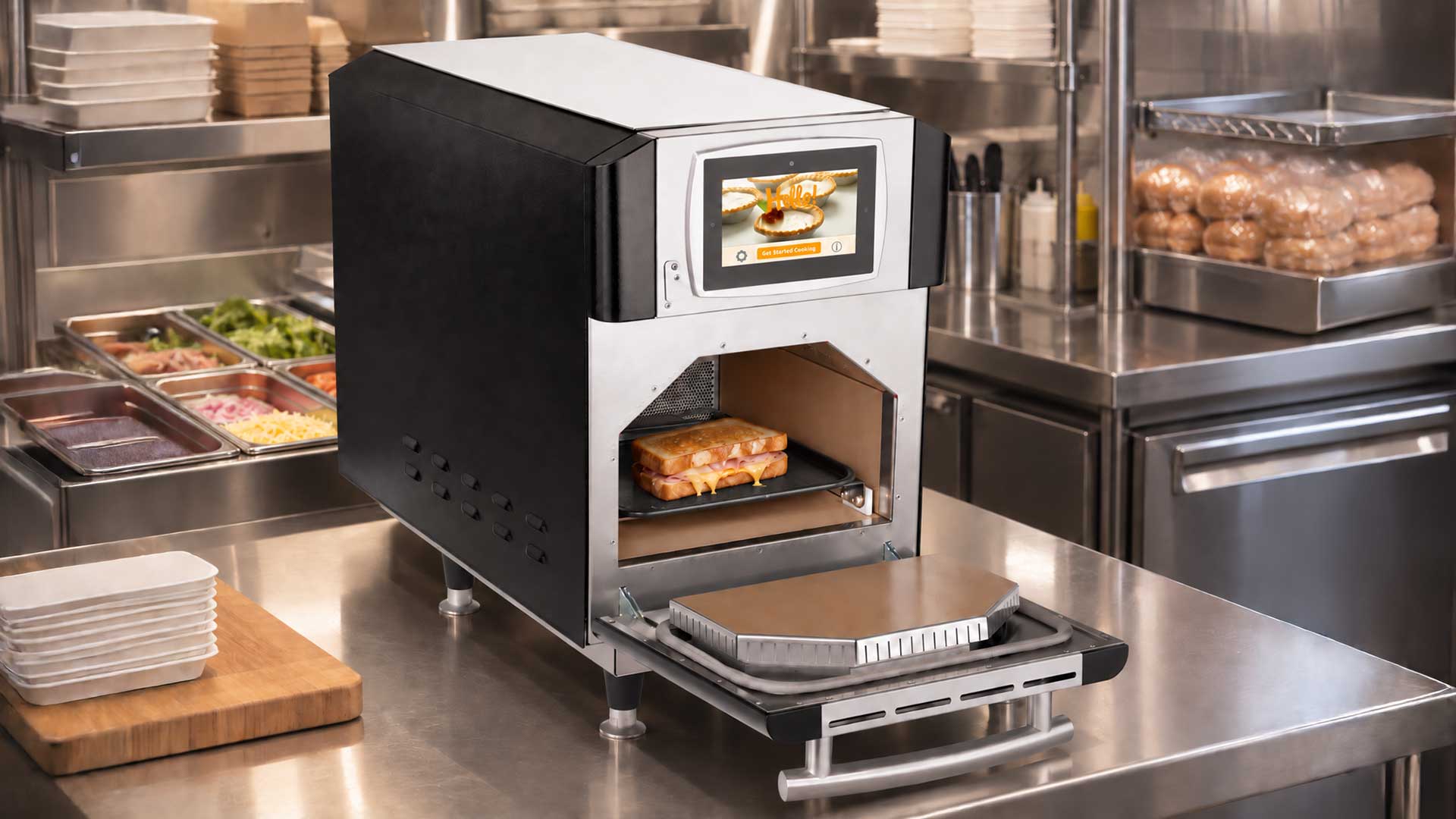
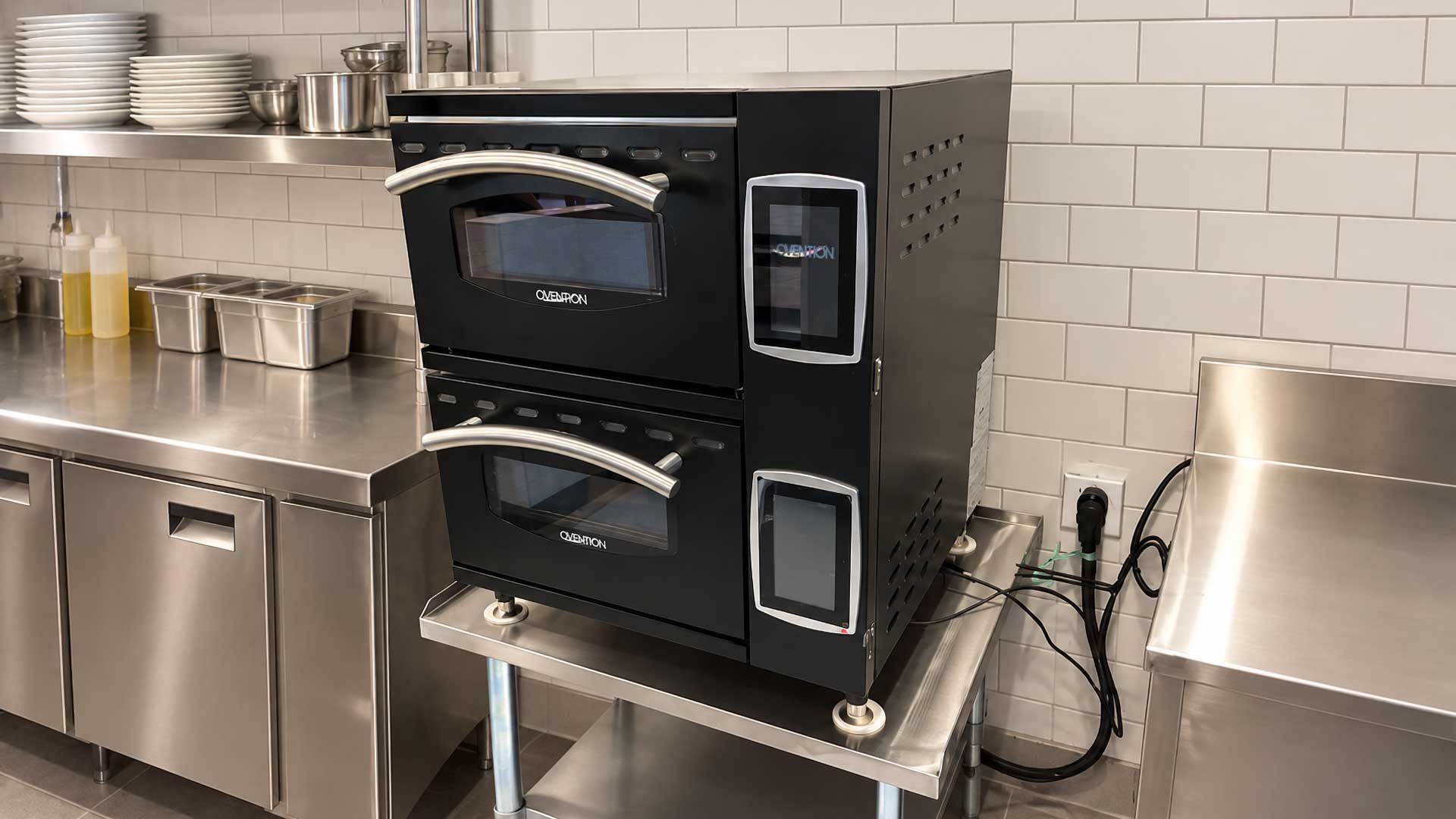
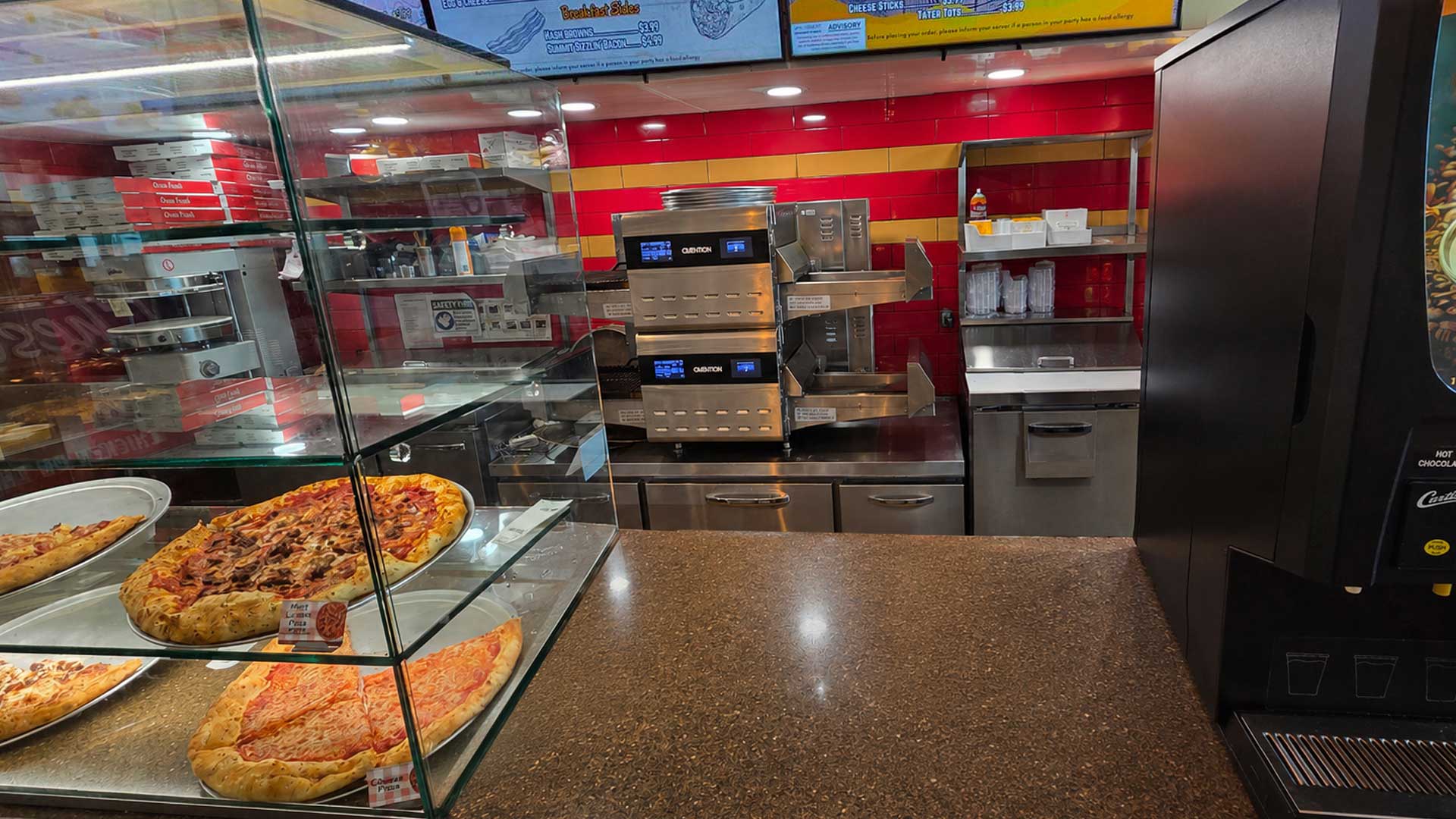
Technology also affects the equipment foodservice operations have in their kitchens. Innovative equipment works hard to provide establishments with automated conveniences, such as a conveyor oven with auto-load and unloading capabilities. Automation decreases labor hours by increasing efficiency and the staff’s ability to multitask while food is cooking — all without compromising the cooking process. Smart, commercial equipment with preset, programmable recipes also helps operations put out perfectly prepared and consistent dishes every time (no matter who’s working in the kitchen). And quick heating and cooling technologies are instrumental in getting quality food to customers in less time. A speedy service can increase table turnover rates and up your bottom line. In addition, newer, advanced tech equipment typically aims to increase energy efficiency, saving you money and negative effects on the environment.
AI and robotics are transforming the foodservice industry, improving operations and boosting customer experiences. AI-driven ordering systems, such as voice-activated kiosks and chatbots, personalize recommendations and improve order accuracy. In the kitchen, robotics are automating repetitive tasks like frying, grilling, and even assembling burgers, reducing labor costs and increasing efficiency. Predictive analytics, powered by AI, helps restaurants adjust inventory, forecast demand, and reduce food waste. As these technologies become more accessible, operators embracing AI and robotics gain a competitive edge in speed, consistency, and customer satisfaction.
Benefits of Tech for Foodservice Operations
According to the National Restaurant Association’s State of the Restaurant Industry report, 83% of restaurant operators believe that using technology provides a competitive advantage. Online ordering provides convenience for customers, but it also works in favor of foodservice operations. Digital orders decrease the order-processing time for staff (providing employees with more availability for other tasks) and often increase order accuracy. We live in a progressively digital world where most people are online throughout the day. Offering online ordering can boost your establishment’s digital presence and bottom line.
Advanced point-of-sale (POS) systems are a benefit for payment processing, but they also help operations track inventory, store customer analytics – helping to personalize marketing strategies. In addition, newer systems can even help with staff management by tracking employees’ time at work, monitoring detailed sales activity, and providing digital employee schedules.
Contactless Ordering Conveniences
Despite spending less, Gen Z tends to eat out more frequently, often favoring fast-casual and delivery options, highlighting their preference for convenience and technological integration in dining experiences. The convenience of digital menus and ordering capabilities is definitely here to stay. Interactive digital menus are another fun way to order food and explore different dishes. These menus use a QR code that customers can scan to view the full menu, along with descriptions. The saying, “A picture is worth a thousand words,” holds true, as these menus provide a visually effective way to showcase delicious food options.
Touchless Payment Options
Dirty money is a reality, as are dirty credit cards, debit cards, and anything else that gets passed from person to person. Touchless payments are a convenient solution that comes in many forms such as, QR-code, mobile wallet, biometric or facial recognition payment, and tap-to-pay. These types of payments are becoming more prevalent in operations everywhere, and their convenience resonates with consumers. For instance, a survey by the Bank Policy Institute found that 71% of consumers believe debit cards are more convenient than using cash.
While touchless payments like mobile wallets and tap-to-pay remain the norm, new trends are emerging in foodservice. Some restaurants and cafés are beginning to accept cryptocurrency payments, offering customers more flexibility and catering to a tech-savvy audience. Blockchain technology is also being explored for secure transactions and loyalty programs, ensuring transparency and fraud prevention. As digital finance evolves, foodservice operations that adopt these innovations may attract a broader customer base and enhance payment security. Offering one or more touchless payment options in your operation is a smart move that improves convenience for your customers.
Evolving Consumer Preferences
Gen Z and Millennials are reshaping the dining experience with their demand for sustainability, personalization, and tech-driven convenience. Many prefer restaurants that prioritize eco-friendly practices, such as energy-efficient equipment and waste reduction initiatives. AI-enhanced recommendations, loyalty programs, and digital ordering platforms cater to their expectations for seamless, customized experiences. As younger generations continue to influence the market, foodservice operators who embrace these trends can build stronger customer loyalty and stay ahead of the competition. Technology will continue to infiltrate and improve the foodservice industry. Knowing what technology is available is important to helping you find what works best for your unique operation. Interested in more ways to improve your business? Head over to our blog and check out our post, “Five Tips To Create a Community-Driven Restaurant.”